Abstract
The present work entitled “Studies on insect-pests succession and biorational management with special reference to Leucinodes orbonalis (Guenee) on brinjal”was carried out at the Entomology Field, in RMD College of Agriculture & Research Station, Ambikapur, Chhattisgarh during the Kharif season of 2024-25 In this study, several biorational treatments was cmpared. Emamectin benzoate had the lowest rate of brinjal shoot and fruit infestation (3.26%), followed by Bacillus thuringiensis (3.78%), Beauveria bassiana (4.21%), Metarhizium anisopliae (4.84%), Nimbicidine (5.66%), and Verticillium lecanii (6.12%). Emamectin benzoate > Bacillus thuringiensis > Beauveria bassiana > Metarhizium anisopliae > Nimbicidine > Verticillium lecanii > Control plot was the order of the effective treatment. Some biopesticides, especially Bacillus thuringiensis, Beauveria bassiana and Metarhizium anisopliae showed comparable effectiveness over the long term.
Abstract from the paper’s OpenAlex record, shown for indexing and research. Copyright remains with the authors or the publisher. Read at the source ↗
The text the model read, with the source record’s inline markup (italics, sub- and superscripts) rendered and its character entities decoded; quote offsets refer to the raw text.
Claims 8
Claim · model-written summary
Emamectin benzoate gave the lowest brinjal shoot and fruit infestation (3.26%) among the treatments compared.
- Taxon
- brinjal
 Solanum melongenae0
- Organ / stage
- shoot and fruite1
- Treatment
- Emamectin benzoatee1
- Interactor
- Leucinodes orbonalis
 Leucinodes orbonalise0pest
- Outcome
- brinjal shoot and fruit infestatione1
- Direction
- loweste1
- Value
- 3.26%e1
- Comparator
- several biorational treatmentse2
- Setting
- Ambikapur, Chhattisgarhe3
Organisms pictured · Representative pictures of the matched species, not figures from the paper.


Verbatim
e0“with special reference to Leucinodes orbonalis (Guenee) on brinjal”
e1“Emamectin benzoate had the lowest rate of brinjal shoot and fruit infestation (3.26%), followed by Bacillus thuringiensis (3.78%), Beauveria bassiana (4.21%), Metarhizium anisopliae (4.84%), Nimbicidine (5.66%), and Verticillium lecanii (6.12%)”
e2“several biorational treatments was cmpared”
e3“Ambikapur, Chhattisgarh during the Kharif season of 2024-25”
Claim · model-written summary
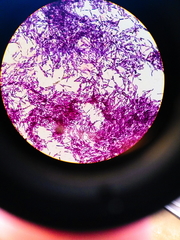
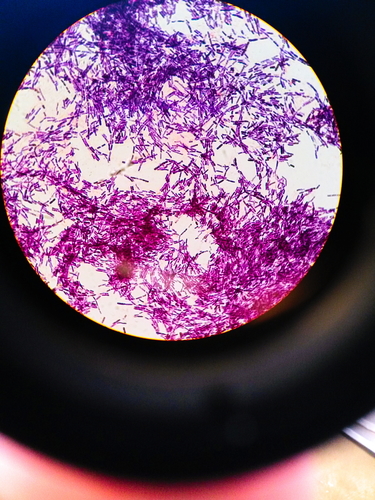
Bacillus thuringiensis gave 3.78% brinjal shoot and fruit infestation, lower than the other treatments listed after emamectin benzoate.
- Taxon
- brinjalSolanum melongenae0
- Organ / stage
- shoot and fruite1
- Treatment
- Bacillus thuringiensise1
- Interactor
- Leucinodes orbonalisLeucinodes orbonalise0pest
- Second interactor
- Bacillus thuringiensis
 Bacillus thuringiensise1biocontrol_agent
- Outcome
- brinjal shoot and fruit infestatione1
- Direction
- lowerinferrede1
- Value
- 3.78%e1
- Comparator
- several biorational treatmentse2
- Setting
- Ambikapur, Chhattisgarhe3
Organisms pictured · Representative pictures of the matched species, not figures from the paper.
Verbatim
e0“with special reference to Leucinodes orbonalis (Guenee) on brinjal”
e1“Emamectin benzoate had the lowest rate of brinjal shoot and fruit infestation (3.26%), followed by Bacillus thuringiensis (3.78%), Beauveria bassiana (4.21%), Metarhizium anisopliae (4.84%), Nimbicidine (5.66%), and Verticillium lecanii (6.12%)”
e2“several biorational treatments was cmpared”
e3“Ambikapur, Chhattisgarh during the Kharif season of 2024-25”
Claim · model-written summary
Beauveria bassiana gave 4.21% brinjal shoot and fruit infestation, lower than the other treatments listed after Bacillus thuringiensis.
- Taxon
- brinjalSolanum melongenae0
- Organ / stage
- shoot and fruite1
- Treatment
- Beauveria bassianae1
- Interactor
- Leucinodes orbonalisLeucinodes orbonalise0pest
- Second interactor
- Beauveria bassiana
 Beauveria bassianae1biocontrol_agent
- Outcome
- brinjal shoot and fruit infestatione1
- Direction
- lowerinferrede1
- Value
- 4.21%e1
- Comparator
- several biorational treatmentse2
- Setting
- Ambikapur, Chhattisgarhe3
Organisms pictured · Representative pictures of the matched species, not figures from the paper.

Verbatim
e0“with special reference to Leucinodes orbonalis (Guenee) on brinjal”
e1“Emamectin benzoate had the lowest rate of brinjal shoot and fruit infestation (3.26%), followed by Bacillus thuringiensis (3.78%), Beauveria bassiana (4.21%), Metarhizium anisopliae (4.84%), Nimbicidine (5.66%), and Verticillium lecanii (6.12%)”
e2“several biorational treatments was cmpared”
e3“Ambikapur, Chhattisgarh during the Kharif season of 2024-25”
Claim · model-written summary
Metarhizium anisopliae gave 4.84% brinjal shoot and fruit infestation, lower than the other treatments listed after Beauveria bassiana.
- Taxon
- brinjalSolanum melongenae0
- Organ / stage
- shoot and fruite1
- Treatment
- Metarhizium anisopliaee1
- Interactor
- Leucinodes orbonalisLeucinodes orbonalise0pest
- Second interactor
- Metarhizium anisopliae
 Metarhizium anisopliaee1biocontrol_agent
- Outcome
- brinjal shoot and fruit infestatione1
- Direction
- lowerinferrede1
- Value
- 4.84%e1
- Comparator
- several biorational treatmentse2
- Setting
- Ambikapur, Chhattisgarhe3
Organisms pictured · Representative pictures of the matched species, not figures from the paper.

Verbatim
e0“with special reference to Leucinodes orbonalis (Guenee) on brinjal”
e1“Emamectin benzoate had the lowest rate of brinjal shoot and fruit infestation (3.26%), followed by Bacillus thuringiensis (3.78%), Beauveria bassiana (4.21%), Metarhizium anisopliae (4.84%), Nimbicidine (5.66%), and Verticillium lecanii (6.12%)”
e2“several biorational treatments was cmpared”
e3“Ambikapur, Chhattisgarh during the Kharif season of 2024-25”
Claim · model-written summary
Nimbicidine gave 5.66% brinjal shoot and fruit infestation, lower than the other treatments listed after Metarhizium anisopliae.
- Taxon
- brinjalSolanum melongenae0
- Organ / stage
- shoot and fruite1
- Treatment
- Nimbicidinee1
- Interactor
- Leucinodes orbonalisLeucinodes orbonalise0pest
- Outcome
- brinjal shoot and fruit infestatione1
- Direction
- lowerinferrede1
- Value
- 5.66%e1
- Comparator
- several biorational treatmentse2
- Setting
- Ambikapur, Chhattisgarhe3
Organisms pictured · Representative pictures of the matched species, not figures from the paper.
Verbatim
e0“with special reference to Leucinodes orbonalis (Guenee) on brinjal”
e1“Emamectin benzoate had the lowest rate of brinjal shoot and fruit infestation (3.26%), followed by Bacillus thuringiensis (3.78%), Beauveria bassiana (4.21%), Metarhizium anisopliae (4.84%), Nimbicidine (5.66%), and Verticillium lecanii (6.12%)”
e2“several biorational treatments was cmpared”
e3“Ambikapur, Chhattisgarh during the Kharif season of 2024-25”
Claim · model-written summary
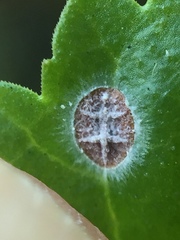
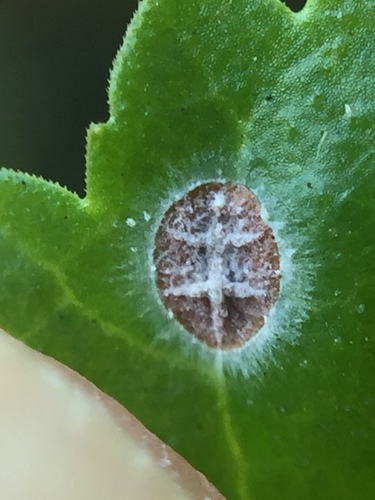
Verticillium lecanii gave 6.12% brinjal shoot and fruit infestation, the highest of the biorational treatments listed.
- Taxon
- brinjalSolanum melongenae0
- Organ / stage
- shoot and fruite1
- Treatment
- Verticillium lecaniie1
- Interactor
- Leucinodes orbonalisLeucinodes orbonalise0pest
- Second interactor
- Verticillium lecanii
 Akanthomyces lecaniie1biocontrol_agent
- Outcome
- brinjal shoot and fruit infestatione1
- Direction
- lowerinferrede1
- Value
- 6.12%e1
- Comparator
- several biorational treatmentse2
- Setting
- Ambikapur, Chhattisgarhe3
Organisms pictured · Representative pictures of the matched species, not figures from the paper.
Verbatim
e0“with special reference to Leucinodes orbonalis (Guenee) on brinjal”
e1“Emamectin benzoate had the lowest rate of brinjal shoot and fruit infestation (3.26%), followed by Bacillus thuringiensis (3.78%), Beauveria bassiana (4.21%), Metarhizium anisopliae (4.84%), Nimbicidine (5.66%), and Verticillium lecanii (6.12%)”
e2“several biorational treatments was cmpared”
e3“Ambikapur, Chhattisgarh during the Kharif season of 2024-25”
Claim · model-written summary
The treatments were ranked for effectiveness, with emamectin benzoate first and the control plot last.
- Taxon
- brinjalSolanum melongenae0
- Treatment
- several biorational treatmentse2
- Interactor
- Leucinodes orbonalisLeucinodes orbonalise0pest
- Outcome
- order of the effective treatmente4
- Direction
- Emamectin benzoate > Bacillus thuringiensis > Beauveria bassiana > Metarhizium anisopliae > Nimbicidine > Verticillium lecanii > Control plote4
- Comparator
- Control plote4
- Setting
- Ambikapur, Chhattisgarhe3
Organisms pictured · Representative pictures of the matched species, not figures from the paper.
Verbatim
e0“with special reference to Leucinodes orbonalis (Guenee) on brinjal”
e2“several biorational treatments was cmpared”
e4“Emamectin benzoate > Bacillus thuringiensis > Beauveria bassiana > Metarhizium anisopliae > Nimbicidine > Verticillium lecanii > Control plot was the order of the effective treatment”
e3“Ambikapur, Chhattisgarh during the Kharif season of 2024-25”
Claim · model-written summary
Some biopesticides, especially Bacillus thuringiensis, Beauveria bassiana and Metarhizium anisopliae, showed comparable effectiveness against the pest over the long term.
- Taxon
- brinjalSolanum melongenae0
- Treatment
- Some biopesticides, especially Bacillus thuringiensis, Beauveria bassiana and Metarhizium anisopliaee4
- Interactor
- Leucinodes orbonalisLeucinodes orbonalise0pest
- Outcome
- comparable effectiveness over the long terme4
- Setting
- Ambikapur, Chhattisgarhe3
Organisms pictured · Representative pictures of the matched species, not figures from the paper.
Verbatim
e0“with special reference to Leucinodes orbonalis (Guenee) on brinjal”
e4“Some biopesticides, especially Bacillus thuringiensis, Beauveria bassiana and Metarhizium anisopliae showed comparable effectiveness over the long term”
e3“Ambikapur, Chhattisgarh during the Kharif season of 2024-25”
The same questions in other papers
Bacillus thuringiensis · Leucinodes orbonalis · Solanum melongena (eggplant)Positive and negative results
8 papers in the same direction as this paper · 1 in the opposite direction
- negative
- positive
- positive
6 papers more in this group
See all 10 papers →Beauveria bassiana · Leucinodes orbonalis · Solanum melongena (eggplant)Positive and negative results
8 papers in the same direction as this paper · 1 in the opposite direction
- negative
- positive
- positive
6 papers more in this group
See all 10 papers →Akanthomyces lecanii · Leucinodes orbonalis · Solanum melongena (eggplant)Results agree
2 papers in the same direction as this paper
- positive
- positive
Metarhizium anisopliae · Leucinodes orbonalis · Solanum melongena (eggplant)Results agree
5 papers in the same direction as this paper
- positive
- positive
- positive
2 papers more in this group
See all 6 papers →emamectin benzoate · Leucinodes orbonalis · Solanum melongena (eggplant)Results agree
44 papers in the same direction as this paper
- positive
- positive
- positive
41 papers more in this group
See all 45 papers →Claims are grouped by organism, treatment and what was measured or targeted. A paper counts as positive when any of its claims in the group is positive.