Abstract
The field experiment was carried out during Kharif season of 2023 at the Organic Research Farm Karguaji, Department of Entomology, Institute of Agricultural Sciences, Bundelkhand University Jhansi (U.P.). Nine treatments were tested: neem oil, garlic bulb extract, Bacillus thuringiensis, karanj oil, panchgavya, neem seed kernel extract (NSKE), Beauveria bassiana, Metarhizium anisopliae, and a control, under a randomized block design. Three sprays of treatments were applied. The results showed that neem oil at 2 ml/L resulted in the minimum shoot damage (7.82%), followed by Bacillus thuringiensis at 5 gm/L and NSKE at 5 ml/L. To manage fruit infestation caused by brinjal fruit and shoot borer, Bacillus thuringiensis and neem oil were themost effective treatments, followed by Beauvaria bassiana and Metarhizium anisopliae. The maximum yield and highest cost benefit ratio were found with Bacillus thuringiensis (1:3.15), followed by Metarhizium anisopliae (1:3.07) and Beauveria bassiana (1:3.04).
Abstract from the paper’s OpenAlex record; open copy licensed cc-by. Read at the source ↗
The text the model read, with the source record’s inline markup (italics, sub- and superscripts) rendered and its character entities decoded; quote offsets refer to the raw text.
Claims 7
Claim · model-written summary
Neem oil at 2 ml/L resulted in the minimum brinjal shoot damage (7.82%).
- Taxon
- Brinjal
 Solanum melongenat0
- Treatment
- neem oil at 2 ml/Le1
- Interactor
- Leucinodes orbonalis
 Leucinodes orbonalist0pest
- Outcome
- shoot damagee1
- Direction
- minimume1
- Value
- 7.82%e1
- Setting
- Organic Research Farm Karguajie0
Not reportedComparator
Organisms pictured · Representative pictures of the matched species, not figures from the paper.


Verbatim
t0“Brinjal Fruit and Shoot Borer (Leucinodes orbonalis Guenee)”
e0“The field experiment was carried out during Kharif season of 2023 at the Organic Research Farm Karguaji”
e1“The results showed that neem oil at 2 ml/L resulted in the minimum shoot damage (7.82%), followed by Bacillus thuringiensis at 5 gm/L and NSKE at 5 ml/L”
Claim · model-written summary
Bacillus thuringiensis at 5 gm/L and NSKE at 5 ml/L followed neem oil in reducing brinjal shoot damage.
- Taxon
- BrinjalSolanum melongenat0
- Treatment
- Bacillus thuringiensis at 5 gm/L and NSKE at 5 ml/Le1
- Interactor
- Leucinodes orbonalisLeucinodes orbonalist0pest
- Second interactor
- Bacillus thuringiensis
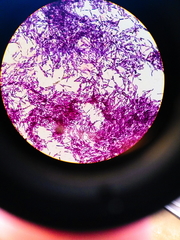 Bacillus thuringiensise1biocontrol_agent
- Outcome
- shoot damagee1
- Direction
- followed bye1
Not reportedComparator
Organisms pictured · Representative pictures of the matched species, not figures from the paper.
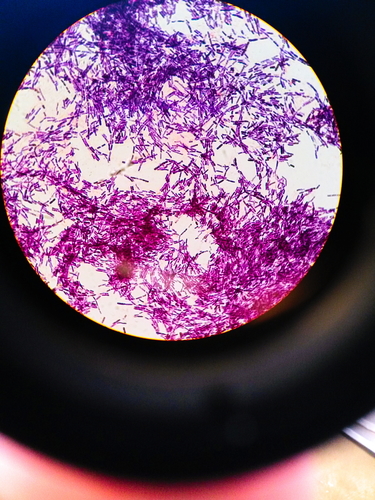
Verbatim
t0“Brinjal Fruit and Shoot Borer (Leucinodes orbonalis Guenee)”
e1“The results showed that neem oil at 2 ml/L resulted in the minimum shoot damage (7.82%), followed by Bacillus thuringiensis at 5 gm/L and NSKE at 5 ml/L”
Claim · model-written summary
Bacillus thuringiensis and neem oil were the most effective treatments against brinjal fruit infestation, followed by Beauvaria bassiana and Metarhizium anisopliae.
- Taxon
- BrinjalSolanum melongenat0
- Treatment
- Bacillus thuringiensis and neem oile2
- Interactor
- Leucinodes orbonalisLeucinodes orbonalist0pest
- Second interactor
- Bacillus thuringiensisBacillus thuringiensise2biocontrol_agent
- Outcome
- fruit infestatione2
- Direction
- effectivee2
- Comparator
- Beauvaria bassiana and Metarhizium anisopliaee2
Organisms pictured · Representative pictures of the matched species, not figures from the paper.
Verbatim
t0“Brinjal Fruit and Shoot Borer (Leucinodes orbonalis Guenee)”
e2“To manage fruit infestation caused by brinjal fruit and shoot borer, Bacillus thuringiensis and neem oil were themost effective treatments, followed by Beauvaria bassiana and Metarhizium anisopliae”
Claim · model-written summary
Bacillus thuringiensis gave the maximum brinjal yield.
- Taxon
- BrinjalSolanum melongenat0
- Treatment
- Bacillus thuringiensise3
- Interactor
- Leucinodes orbonalisLeucinodes orbonalist0pest
- Second interactor
- Bacillus thuringiensisBacillus thuringiensise3biocontrol_agent
- Outcome
- yielde3
- Direction
- maximume3
Not reportedComparator
Organisms pictured · Representative pictures of the matched species, not figures from the paper.
Verbatim
t0“Brinjal Fruit and Shoot Borer (Leucinodes orbonalis Guenee)”
e3“The maximum yield and highest cost benefit ratio were found with Bacillus thuringiensis (1:3.15), followed by Metarhizium anisopliae (1:3.07) and Beauveria bassiana (1:3.04)”
Claim · model-written summary
Bacillus thuringiensis had the highest cost benefit ratio, 1:3.15.
- Taxon
- BrinjalSolanum melongenat0
- Treatment
- Bacillus thuringiensise3
- Interactor
- Leucinodes orbonalisLeucinodes orbonalist0pest
- Second interactor
- Bacillus thuringiensisBacillus thuringiensise3biocontrol_agent
- Outcome
- cost benefit ratioe3
- Direction
- higheste3
- Value
- 1:3.15e3
Not reportedComparator
Organisms pictured · Representative pictures of the matched species, not figures from the paper.
Verbatim
t0“Brinjal Fruit and Shoot Borer (Leucinodes orbonalis Guenee)”
e3“The maximum yield and highest cost benefit ratio were found with Bacillus thuringiensis (1:3.15), followed by Metarhizium anisopliae (1:3.07) and Beauveria bassiana (1:3.04)”
Claim · model-written summary
Metarhizium anisopliae had a cost benefit ratio of 1:3.07, following Bacillus thuringiensis.
- Taxon
- BrinjalSolanum melongenat0
- Treatment
- Metarhizium anisopliaee3
- Interactor
- Leucinodes orbonalisLeucinodes orbonalist0pest
- Second interactor
- Metarhizium anisopliae
 Metarhizium anisopliaee3biocontrol_agent
- Outcome
- cost benefit ratioe3
- Direction
- followed bye3
- Value
- 1:3.07e3
Not reportedComparator
Organisms pictured · Representative pictures of the matched species, not figures from the paper.

Verbatim
t0“Brinjal Fruit and Shoot Borer (Leucinodes orbonalis Guenee)”
e3“The maximum yield and highest cost benefit ratio were found with Bacillus thuringiensis (1:3.15), followed by Metarhizium anisopliae (1:3.07) and Beauveria bassiana (1:3.04)”
Claim · model-written summary
Beauveria bassiana had a cost benefit ratio of 1:3.04, following Metarhizium anisopliae.
- Taxon
- BrinjalSolanum melongenat0
- Treatment
- Beauveria bassianae3
- Interactor
- Leucinodes orbonalisLeucinodes orbonalist0pest
- Second interactor
- Beauveria bassiana
 Beauveria bassianae3biocontrol_agent
- Outcome
- cost benefit ratioe3
- Direction
- followed bye3
- Value
- 1:3.04e3
Not reportedComparator
Organisms pictured · Representative pictures of the matched species, not figures from the paper.

Verbatim
t0“Brinjal Fruit and Shoot Borer (Leucinodes orbonalis Guenee)”
e3“The maximum yield and highest cost benefit ratio were found with Bacillus thuringiensis (1:3.15), followed by Metarhizium anisopliae (1:3.07) and Beauveria bassiana (1:3.04)”
The same questions in other papers
Azadirachta indica · Leucinodes orbonalis · Solanum melongena (eggplant)Positive and negative results
5 papers in the same direction as this paper · 2 in the opposite direction
- negative
- no effect
- positive
4 papers more in this group
See all 8 papers →Bacillus thuringiensis · Leucinodes orbonalis · Solanum melongena (eggplant)Positive and negative results
8 papers in the same direction as this paper · 1 in the opposite direction
- negative
- positive
- positive
6 papers more in this group
See all 10 papers →Beauveria bassiana · Leucinodes orbonalis · Solanum melongena (eggplant)Positive and negative results
8 papers in the same direction as this paper · 1 in the opposite direction
- negative
- positive
- positive
6 papers more in this group
See all 10 papers →Metarhizium anisopliae · Leucinodes orbonalis · Solanum melongena (eggplant)Results agree
5 papers in the same direction as this paper
- positive
- positive
- positive
2 papers more in this group
See all 6 papers →botanical · Leucinodes orbonalis · Solanum melongena (eggplant)Positive and negative results
27 papers in the same direction as this paper · 2 in the opposite direction · 1 reporting no difference from an alternative
- negative
- negative
- no effect
27 papers more in this group
See all 31 papers →transgenic · Leucinodes orbonalis · Solanum melongena (eggplant)Results agree
3 papers in the same direction as this paper
- positive
- positive
- positive
Claims are grouped by organism, treatment and what was measured or targeted. A paper counts as positive when any of its claims in the group is positive.