Abstract
Evaluation of different Bacillus thuringiensis (B.t.) formulations in comparison with neem and chemical insecticides against brinjal shoot and fruit borer, Leucinodes orbonalis Guenee during kharif 1999–2000 indicated that five sprays of Dipel 8L @ 0.2 per cent at 10 days interval which resulted in minimum shoot (9.56%) as well as fruit (11.78%) infestation and maximum yield of marketable fruits (196.96 q/ha) and proved to be the most effective treatment. It was however, at par with Delfin WG, Halt WP and Biolep WP, all at 0.2 per cent concentrations. This was followed by Biobit HPWP,. Spicturin and chemical insecticides viz., cypermethrin and endosulfan, while neem was found to be the least effective treatment.
Abstract from the paper’s OpenAlex record, shown for indexing and research. Copyright remains with the authors or the publisher. Read at the source ↗
The text the model read, with the source record’s inline markup (italics, sub- and superscripts) rendered and its character entities decoded; quote offsets refer to the raw text.
Claims 6
Claim · model-written summary
Five sprays of Dipel 8L at 0.2% gave minimum shoot infestation (9.56%) on brinjal.
- Taxon
- brinjal
 Solanum melongenae0
- Organ / stage
- shoote1
- Treatment
- five sprays of Dipel 8L @ 0.2 per cent at 10 days intervale1
- Interactor
- Leucinodes orbonalis
 Leucinodes orbonalise0pest
- Second interactor
- Bacillus thuringiensis
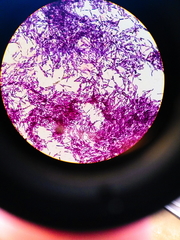 Bacillus thuringiensise0biocontrol_agent
- Outcome
- infestatione1
- Direction
- minimume1
- Value
- 9.56%e1
- Comparator
- neem and chemical insecticidese0
- Setting
- kharif 1999–2000e0
Organisms pictured · Representative pictures of the matched species, not figures from the paper.


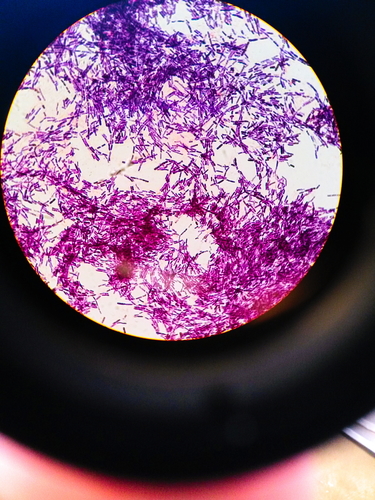
Verbatim
e0“Evaluation of different Bacillus thuringiensis (B.t.) formulations in comparison with neem and chemical insecticides against brinjal shoot and fruit borer, Leucinodes orbonalis Guenee during kharif 1999–2000”
e1“five sprays of Dipel 8L @ 0.2 per cent at 10 days interval which resulted in minimum shoot (9.56%) as well as fruit (11.78%) infestation and maximum yield of marketable fruits (196.96 q/ha) and proved to be the most effective treatment”
Claim · model-written summary
Five sprays of Dipel 8L at 0.2% gave minimum fruit infestation (11.78%) on brinjal.
- Taxon
- brinjalSolanum melongenae0
- Organ / stage
- fruite1
- Treatment
- five sprays of Dipel 8L @ 0.2 per cent at 10 days intervale1
- Interactor
- Leucinodes orbonalisLeucinodes orbonalise0pest
- Second interactor
- Bacillus thuringiensisBacillus thuringiensise0biocontrol_agent
- Outcome
- infestatione1
- Direction
- minimume1
- Value
- 11.78%e1
- Comparator
- neem and chemical insecticidese0
- Setting
- kharif 1999–2000e0
Organisms pictured · Representative pictures of the matched species, not figures from the paper.
Verbatim
e0“Evaluation of different Bacillus thuringiensis (B.t.) formulations in comparison with neem and chemical insecticides against brinjal shoot and fruit borer, Leucinodes orbonalis Guenee during kharif 1999–2000”
e1“five sprays of Dipel 8L @ 0.2 per cent at 10 days interval which resulted in minimum shoot (9.56%) as well as fruit (11.78%) infestation and maximum yield of marketable fruits (196.96 q/ha) and proved to be the most effective treatment”
Claim · model-written summary
Five sprays of Dipel 8L gave the maximum yield of marketable fruits (196.96 q/ha) on brinjal.
- Taxon
- brinjalSolanum melongenae0
- Treatment
- five sprays of Dipel 8L @ 0.2 per cent at 10 days intervale1
- Interactor
- Leucinodes orbonalisLeucinodes orbonalise0pest
- Second interactor
- Bacillus thuringiensisBacillus thuringiensise0biocontrol_agent
- Outcome
- yield of marketable fruitse1
- Direction
- maximume1
- Value
- 196.96 q/hae1
- Comparator
- neem and chemical insecticidese0
- Setting
- kharif 1999–2000e0
Organisms pictured · Representative pictures of the matched species, not figures from the paper.
Verbatim
e0“Evaluation of different Bacillus thuringiensis (B.t.) formulations in comparison with neem and chemical insecticides against brinjal shoot and fruit borer, Leucinodes orbonalis Guenee during kharif 1999–2000”
e1“five sprays of Dipel 8L @ 0.2 per cent at 10 days interval which resulted in minimum shoot (9.56%) as well as fruit (11.78%) infestation and maximum yield of marketable fruits (196.96 q/ha) and proved to be the most effective treatment”
Claim · model-written summary
Five sprays of Dipel 8L were the most effective treatment against the borer on brinjal.
- Taxon
- brinjalSolanum melongenae0
- Treatment
- five sprays of Dipel 8L @ 0.2 per cent at 10 days intervale1
- Interactor
- Leucinodes orbonalisLeucinodes orbonalise0pest
- Second interactor
- Bacillus thuringiensisBacillus thuringiensise0biocontrol_agent
- Outcome
- effective treatmente1
- Direction
- most effectivee1
- Comparator
- neem and chemical insecticidese0
- Setting
- kharif 1999–2000e0
Organisms pictured · Representative pictures of the matched species, not figures from the paper.
Verbatim
e0“Evaluation of different Bacillus thuringiensis (B.t.) formulations in comparison with neem and chemical insecticides against brinjal shoot and fruit borer, Leucinodes orbonalis Guenee during kharif 1999–2000”
e1“five sprays of Dipel 8L @ 0.2 per cent at 10 days interval which resulted in minimum shoot (9.56%) as well as fruit (11.78%) infestation and maximum yield of marketable fruits (196.96 q/ha) and proved to be the most effective treatment”
Claim · model-written summary
Delfin WG, Halt WP and Biolep WP at 0.2% were at par with Dipel 8L in effectiveness on brinjal.
- Taxon
- brinjalSolanum melongenae0
- Treatment
- Delfin WG, Halt WP and Biolep WPe3
- Interactor
- Leucinodes orbonalisLeucinodes orbonalise0pest
- Second interactor
- Bacillus thuringiensisBacillus thuringiensise0biocontrol_agent
- Outcome
- effective treatmente1
- Direction
- at pare3
- Comparator
- Dipel 8Le1
Organisms pictured · Representative pictures of the matched species, not figures from the paper.
Verbatim
e0“Evaluation of different Bacillus thuringiensis (B.t.) formulations in comparison with neem and chemical insecticides against brinjal shoot and fruit borer, Leucinodes orbonalis Guenee during kharif 1999–2000”
e1“five sprays of Dipel 8L @ 0.2 per cent at 10 days interval which resulted in minimum shoot (9.56%) as well as fruit (11.78%) infestation and maximum yield of marketable fruits (196.96 q/ha) and proved to be the most effective treatment”
e3“It was however, at par with Delfin WG, Halt WP and Biolep WP, all at 0.2 per cent concentrations”
Claim · model-written summary
Neem was the least effective treatment against the borer on brinjal.
- Taxon
- brinjalSolanum melongenae0
- Treatment
- neeme2
- Interactor
- Leucinodes orbonalisLeucinodes orbonalise0pest
- Second interactor
- Bacillus thuringiensisBacillus thuringiensise0biocontrol_agent
- Outcome
- effective treatmente2
- Direction
- least effectivee2
Not reportedComparator
Organisms pictured · Representative pictures of the matched species, not figures from the paper.
Verbatim
e0“Evaluation of different Bacillus thuringiensis (B.t.) formulations in comparison with neem and chemical insecticides against brinjal shoot and fruit borer, Leucinodes orbonalis Guenee during kharif 1999–2000”
e2“while neem was found to be the least effective treatment”
The same questions in other papers
application · Leucinodes orbonalis · Solanum melongena (eggplant)Positive and negative results
16 papers in the same direction as this paper · 1 in the opposite direction
- no effect
- positive
- positive
14 papers more in this group
See all 18 papers →botanical · Leucinodes orbonalis · Solanum melongena (eggplant)Positive and negative results
2 papers in the same direction as this paper · 28 in the opposite direction
- positive
- positive
- positive
27 papers more in this group
See all 31 papers →Claims are grouped by organism, treatment and what was measured or targeted. A paper counts as positive when any of its claims in the group is positive.