Abstract
In an attempt to develop an effective integrated system of controlling blast disease of rice caused by Pyricularia oryzae Cav., the possibility of minimizing the disease incidence by proper application of fertilizers has been investigated. Thus the effect of silicate, nitrogen, phosphorus and potassium fertilizers on the development of blast disease as well as the correlation between the rice varieties an4 strains of P. oryzae were studied. The experiments were made in 1971 and 1973 by artificial inoculation and under natural development of the blast disease on rice plants. The results obtained are summarized as follows. 1. Application of silicate fertilizer resulted in the increase of silicate as well as total sugar and potassium content but decrease of total nitrogen and phosphorus in tile leaf blades of rice plants. 2. The ratios of total C/total N. N, and N in leaf blades of rice plants increased by the application of silicate fertilizers. There was high level of negative correlation between the ratios mentioned above and the incidence of rice blast disease. 3. Application of silicate fertilizer reduced the incidence of rice blast disease. 4. The over dressing of nitrogen fertilizer resulted in the increase of total nitrogen and decrease of silicate and total sugar content in leaf blades, thus disposing the rice plants more susceptible to blast disease. 5. Over dressing of phosphorus fertilizer resulted in the increase of both total nitrogen and Phosphorus, and decrease of silicate content in the leaf blades inducing the rice plants to become more susceptible to blast disease. 6. Increased dressing of potash resulted in the increase of silicate content and N ratio but decrease of total nitrogen content in leaf blades. When potassium content is low in the leaf blades of rice plants, the additional dressing of potash to rice plant contributed to the increase of resistance to blast disease. However, there was no significant correlation between additional potassium application and the resistance to blast disease when the potassium content is already high in the leaf blades. 7. When four rice varieties were artificially inoculated with three strains of P. oryzae, the incidence of blast disease was most severe on Pungok, least severe on Jinheung and moderate on Pungkwang and Paltal varieties. 8. Disease incidence was most severe on the second leaf from top and less sever on top and there leaf regardless of the fertilizer application when 5-6 leaf stage rice seedlings of four rice varieties were artificially inoculated with three strains of P. oryzae. 9. The pathogenicity of three strains of P. oryzae was in the order of in their virulence when inoculated to Jinheung, Paltal, Pungkwang varieties but not with Pungok. The interaction between strains of P. oryzae and rice varieties was significant.
Abstract from the paper’s OpenAlex record, shown for indexing and research. Copyright remains with the authors or the publisher. Read at the source ↗
The text the model read, with the source record’s inline markup (italics, sub- and superscripts) rendered and its character entities decoded; quote offsets refer to the raw text.
Claims 18
Claim · model-written summary
Silicate fertilizer increased leaf-blade silicate, total sugar and potassium.
- Taxon
- Rice Plants
 Oryza sativat0
- Treatment
- silicate fertilizere0
- Outcome
- silicate as well as total sugar and potassium contente0
- Direction
- increasee0
Not reportedComparator
Organisms pictured · Representative pictures of the matched species, not figures from the paper.

Verbatim
e0“Application of silicate fertilizer resulted in the increase of silicate as well as total sugar and potassium content”
t0“Rice Plants”
Claim · model-written summary
Silicate fertilizer decreased leaf-blade total nitrogen and phosphorus.
- Taxon
- Rice PlantsOryza sativat0
Not reportedComparator
Organisms pictured · Representative pictures of the matched species, not figures from the paper.
Verbatim
e0“but decrease of total nitrogen and phosphorus in tile leaf blades of rice plants”
e1“Application of silicate fertilizer resulted in the increase”
t0“Rice Plants”
Claim · model-written summary
Silicate fertilizer increased reported leaf-blade elemental ratios.
- Taxon
- Rice PlantsOryza sativat0
- Treatment
- silicate fertilizerse0
- Outcome
- ratios of total C/total N. N, and Ne0
- Direction
- increasede0
Not reportedComparator
Organisms pictured · Representative pictures of the matched species, not figures from the paper.
Verbatim
e0“The ratios of total C/total N. N, and N in leaf blades of rice plants increased by the application of silicate fertilizers”
t0“Rice Plants”
Claim · model-written summary
The reported leaf-blade ratios had a high negative correlation with rice blast incidence.
- Taxon
- Rice PlantsOryza sativat0
- Interactor
- Pyricularia oryzae Cavara
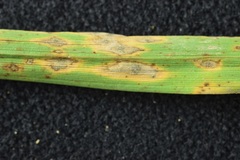 Pyricularia oryzaet1pathogen
- Outcome
- incidence of rice blast diseasee0
- Direction
- negative correlatione0
- Qualifier
- the ratios mentioned abovee0
Not reportedOrgan / stage
Organisms pictured · Representative pictures of the matched species, not figures from the paper.
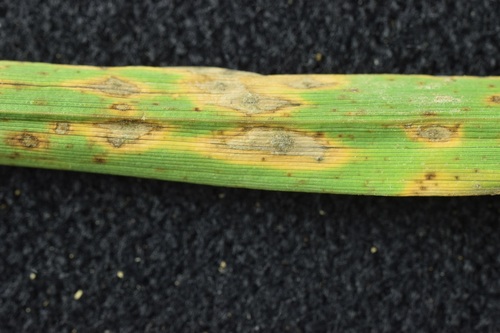
Verbatim
e0“There was high level of negative correlation between the ratios mentioned above and the incidence of rice blast disease”
t0“Rice Plants”
t1“Pyricularia oryzae Cavara”
Claim · model-written summary
Silicate fertilizer reduced rice blast incidence.
- Taxon
- Rice PlantsOryza sativat0
- Treatment
- silicate fertilizere0
- Interactor
- Pyricularia oryzae CavaraPyricularia oryzaet1pathogen
- Outcome
- incidence of rice blast diseasee0
- Direction
- reducede0
Not reportedComparator
Organisms pictured · Representative pictures of the matched species, not figures from the paper.
Verbatim
e0“Application of silicate fertilizer reduced the incidence of rice blast disease”
t0“Rice Plants”
t1“Pyricularia oryzae Cavara”
Claim · model-written summary
Excess nitrogen fertilizer increased leaf-blade total nitrogen.
- Taxon
- Rice PlantsOryza sativat0
- Treatment
- over dressing of nitrogen fertilizere0
- Outcome
- total nitrogene0
- Direction
- increasee0
Not reportedComparator
Organisms pictured · Representative pictures of the matched species, not figures from the paper.
Verbatim
e0“The over dressing of nitrogen fertilizer resulted in the increase of total nitrogen”
t0“Rice Plants”
Claim · model-written summary
Excess nitrogen fertilizer decreased leaf-blade silicate and total sugar.
- Taxon
- Rice PlantsOryza sativat0
Not reportedComparator
Organisms pictured · Representative pictures of the matched species, not figures from the paper.
Verbatim
e0“decrease of silicate and total sugar content in leaf blades”
e1“over dressing of nitrogen fertilizer”
t0“Rice Plants”
Claim · model-written summary
Excess nitrogen fertilizer made rice more susceptible to blast.
- Taxon
- Rice PlantsOryza sativat0
- Interactor
- Pyricularia oryzae CavaraPyricularia oryzaet1pathogen
Not reportedComparator
Organisms pictured · Representative pictures of the matched species, not figures from the paper.
Verbatim
e0“thus disposing the rice plants more susceptible to blast disease”
e1“over dressing of nitrogen fertilizer”
t0“Rice Plants”
t1“Pyricularia oryzae Cavara”
Claim · model-written summary
Excess phosphorus fertilizer increased leaf-blade nitrogen and phosphorus.
- Taxon
- Rice PlantsOryza sativat0
- Treatment
- Over dressing of phosphorus fertilizere0
- Outcome
- total nitrogen and Phosphoruse0
- Direction
- increasee0
Not reportedComparator
Organisms pictured · Representative pictures of the matched species, not figures from the paper.
Verbatim
e0“Over dressing of phosphorus fertilizer resulted in the increase of both total nitrogen and Phosphorus”
t0“Rice Plants”
Claim · model-written summary
Excess phosphorus fertilizer decreased leaf-blade silicate.
- Taxon
- Rice PlantsOryza sativat0
Not reportedComparator
Organisms pictured · Representative pictures of the matched species, not figures from the paper.
Verbatim
e0“decrease of silicate content in the leaf blades”
e1“Over dressing of phosphorus fertilizer”
t0“Rice Plants”
Claim · model-written summary
Excess phosphorus fertilizer made rice more susceptible to blast.
- Taxon
- Rice PlantsOryza sativat0
- Interactor
- Pyricularia oryzae CavaraPyricularia oryzaet1pathogen
Not reportedComparator
Organisms pictured · Representative pictures of the matched species, not figures from the paper.
Verbatim
e0“inducing the rice plants to become more susceptible to blast disease”
e1“Over dressing of phosphorus fertilizer”
t0“Rice Plants”
t1“Pyricularia oryzae Cavara”
Claim · model-written summary
Increased potash dressing increased leaf-blade silicate content and N ratio.
- Taxon
- Rice PlantsOryza sativat0
- Treatment
- Increased dressing of potashe0
- Outcome
- silicate content and N ratioe0
- Direction
- increasee0
Not reportedComparator
Organisms pictured · Representative pictures of the matched species, not figures from the paper.
Verbatim
e0“Increased dressing of potash resulted in the increase of silicate content and N ratio”
t0“Rice Plants”
Claim · model-written summary
Increased potash dressing decreased leaf-blade total nitrogen.
- Taxon
- Rice PlantsOryza sativat0
Not reportedComparator
Organisms pictured · Representative pictures of the matched species, not figures from the paper.
Verbatim
e0“decrease of total nitrogen content in leaf blades”
e1“Increased dressing of potash”
t0“Rice Plants”
Claim · model-written summary
Additional potash increased blast resistance when leaf potassium was low.
- Taxon
- Rice PlantsOryza sativat0
- Treatment
- additional dressing of potashe0
- Interactor
- Pyricularia oryzae CavaraPyricularia oryzaet1pathogen
- Outcome
- resistance to blast diseasee0
- Direction
- increasee0
- Qualifier
- potassium content is lowe0
Not reportedComparator
Organisms pictured · Representative pictures of the matched species, not figures from the paper.
Verbatim
e0“When potassium content is low in the leaf blades of rice plants, the additional dressing of potash to rice plant contributed to the increase of resistance to blast disease”
t0“Rice Plants”
t1“Pyricularia oryzae Cavara”
Claim · model-written summary
Additional potassium had no significant correlation with blast resistance at high leaf potassium.
- Taxon
- Rice PlantsOryza sativat0
- Treatment
- additional potassium applicatione0
- Interactor
- Pyricularia oryzae CavaraPyricularia oryzaet1pathogen
- Outcome
- resistance to blast diseasee0
- Qualifier
- potassium content is already highe0
Not reportedDirection
Organisms pictured · Representative pictures of the matched species, not figures from the paper.
Verbatim
e0“there was no significant correlation between additional potassium application and the resistance to blast disease when the potassium content is already high in the leaf blades”
t0“Rice Plants”
t1“Pyricularia oryzae Cavara”
Claim · model-written summary
Blast was most severe on Pungok, least severe on Jinheung, and moderate on Pungkwang and Paltal.
- Taxon
- Rice PlantsOryza sativat0
- Material
- Pungoke0
- Interactor
- Pyricularia oryzae CavaraPyricularia oryzaet1pathogen
- Outcome
- incidence of blast diseasee0
Organisms pictured · Representative pictures of the matched species, not figures from the paper.
Verbatim
e0“the incidence of blast disease was most severe on Pungok, least severe on Jinheung and moderate on Pungkwang and Paltal varieties”
t0“Rice Plants”
t1“Pyricularia oryzae Cavara”
Claim · model-written summary
Blast was most severe on the second leaf from top and less severe on the top and third leaves.
- Taxon
- Rice PlantsOryza sativat0
- Organ / stage
- second leaf from tope0
- Interactor
- Pyricularia oryzae CavaraPyricularia oryzaet1pathogen
- Outcome
- Disease incidencee0
Organisms pictured · Representative pictures of the matched species, not figures from the paper.
Verbatim
e0“Disease incidence was most severe on the second leaf from top and less sever on top and there leaf regardless of the fertilizer application”
t0“Rice Plants”
t1“Pyricularia oryzae Cavara”
Claim · model-written summary
Pathogen strain and rice variety interacted significantly for blast response.
- Taxon
- Rice PlantsOryza sativat0
- Interactor
- P. oryzaePyricularia oryzaee0pathogen
- Outcome
- interaction between strains of P. oryzae and rice varietiese0
Not reportedDirection
Organisms pictured · Representative pictures of the matched species, not figures from the paper.
Verbatim
e0“The interaction between strains of P. oryzae and rice varieties was significant”
t0“Rice Plants”
The same questions in other papers
silicate(4-) · Pyricularia oryzae · Oryza sativa (rice)Results agree
1 paper in the same direction as this paper
- positive
silicate(4-) · quality: sugar starch · Oryza sativa (rice)Results agree
3 papers in the same direction as this paper
- positive
- positive
- positive
fertilization · quality: sugar starch · Oryza sativa (rice)Results differ
43 papers in the same direction as this paper · 17 in the opposite direction
- no effect
- negative
- negative
57 papers more in this group
See all 61 papers →fertilization · Pyricularia oryzae · Oryza sativa (rice)Positive and negative results
1 paper in the same direction as this paper · 3 in the opposite direction
- negative
- negative
- negative
1 paper more in this group
See all 5 papers →potassium · Pyricularia oryzae · Oryza sativa (rice)Results agree
3 papers in the same direction as this paper
- positive
- positive
- positive
Claims are grouped by organism, treatment and what was measured or targeted. A paper counts as positive when any of its claims in the group is positive.