Abstract
During 2015-16 and 2016-17, studies on control of diamondback moth using microbial pesticides were conducted at College of Agriculture, Indira Gandhi Krishi Vishwavidyalaya, Raipur (C.G.). Based on the summary evaluation of microbial pesticide treatments against SH infestation, the best microbial pesticide for SH management was found to be Bacillus thuringiensis (2.53 larvae/plant), followed by Beauveria bassiana (3.23 larvae/plant). The efficacy of microbial pesticide treatments was evaluated based on the cumulative percentage reduction over the control of Bacillus thuringiensis (56.67%) > Beauveria bassiana (44.69%) > Metarhizium anisopliae (39.56%) > Verticillium lecanii (29.96%). The effect of Bacillus thuringiensis (Kurstaki) treatment (17.50 kg/plot) on yield was found better than other treatments followed by Beauveria bassiana > Metarhizium anisopliae > Verticillium lecanii with 14.50 > 14.13 > 11.25 kg/plot, in this order.
Abstract from the paper’s OpenAlex record, shown for indexing and research. Copyright remains with the authors or the publisher. Read at the source ↗
The text the model read, with the source record’s inline markup (italics, sub- and superscripts) rendered and its character entities decoded; quote offsets refer to the raw text.
Claims 8
Claim · model-written summary
Bacillus thuringiensis reduced diamondback moth infestation by 56.67% relative to control.
- Taxon
- cabbage
 Brassica oleracea var. capitatat0
- Treatment
- Bacillus thuringiensise0
- Interactor
- Plutella xylostella
 Plutella xylostellat1pest
- Second interactor
- Bacillus thuringiensis
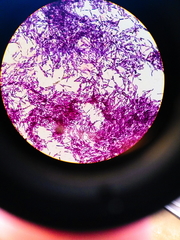 Bacillus thuringiensise0biocontrol_agent
- Outcome
- cumulative percentage reductione0
- Direction
- reductione0
- Value
- 56.67%e0
- Comparator
- controle0
Organisms pictured · Representative pictures of the matched species, not figures from the paper.


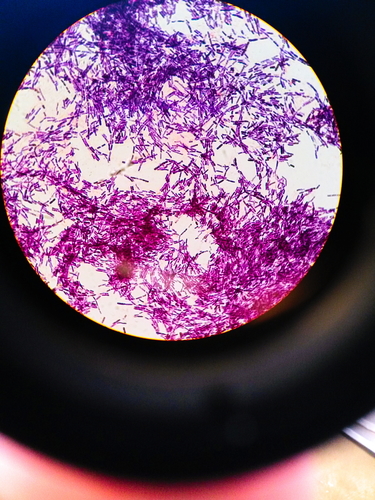
Verbatim
e0“The efficacy of microbial pesticide treatments was evaluated based on the cumulative percentage reduction over the control of Bacillus thuringiensis (56.67%) > Beauveria bassiana (44.69%) > Metarhizium anisopliae (39.56%) > Verticillium lecanii (29.96%).”
t0“cabbage crop”
t1“diamondback moth Plutella xylostella”
Claim · model-written summary
Beauveria bassiana reduced diamondback moth infestation by 44.69% relative to control.
- Taxon
- cabbageBrassica oleracea var. capitatat0
- Treatment
- Beauveria bassianae0
- Interactor
- Plutella xylostellaPlutella xylostellat1pest
- Second interactor
- Beauveria bassiana
 Beauveria bassianae0biocontrol_agent
- Outcome
- cumulative percentage reductione0
- Direction
- reductione0
- Value
- 44.69%e0
- Comparator
- controle0
Organisms pictured · Representative pictures of the matched species, not figures from the paper.

Verbatim
e0“The efficacy of microbial pesticide treatments was evaluated based on the cumulative percentage reduction over the control of Bacillus thuringiensis (56.67%) > Beauveria bassiana (44.69%) > Metarhizium anisopliae (39.56%) > Verticillium lecanii (29.96%).”
t0“cabbage crop”
t1“diamondback moth Plutella xylostella”
Claim · model-written summary
Metarhizium anisopliae reduced diamondback moth infestation by 39.56% relative to control.
- Taxon
- cabbageBrassica oleracea var. capitatat0
- Treatment
- Metarhizium anisopliaee0
- Interactor
- Plutella xylostellaPlutella xylostellat1pest
- Second interactor
- Metarhizium anisopliae
 Metarhizium anisopliaee0biocontrol_agent
- Outcome
- cumulative percentage reductione0
- Direction
- reductione0
- Value
- 39.56%e0
- Comparator
- controle0
Organisms pictured · Representative pictures of the matched species, not figures from the paper.

Verbatim
e0“The efficacy of microbial pesticide treatments was evaluated based on the cumulative percentage reduction over the control of Bacillus thuringiensis (56.67%) > Beauveria bassiana (44.69%) > Metarhizium anisopliae (39.56%) > Verticillium lecanii (29.96%).”
t0“cabbage crop”
t1“diamondback moth Plutella xylostella”
Claim · model-written summary
Verticillium lecanii reduced diamondback moth infestation by 29.96% relative to control.
- Taxon
- cabbageBrassica oleracea var. capitatat0
- Treatment
- Verticillium lecaniie0
- Interactor
- Plutella xylostellaPlutella xylostellat1pest
- Second interactor
- Verticillium lecanii
 Akanthomyces lecaniie0biocontrol_agent
- Outcome
- cumulative percentage reductione0
- Direction
- reductione0
- Value
- 29.96%e0
- Comparator
- controle0
Organisms pictured · Representative pictures of the matched species, not figures from the paper.
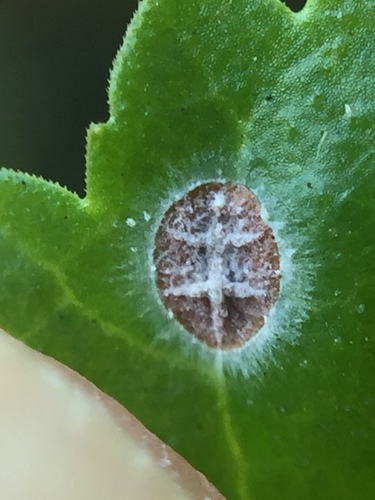
Verbatim
e0“The efficacy of microbial pesticide treatments was evaluated based on the cumulative percentage reduction over the control of Bacillus thuringiensis (56.67%) > Beauveria bassiana (44.69%) > Metarhizium anisopliae (39.56%) > Verticillium lecanii (29.96%).”
t0“cabbage crop”
t1“diamondback moth Plutella xylostella”
Claim · model-written summary
Bacillus thuringiensis (Kurstaki) produced a cabbage yield of 17.50 kg/plot.
- Taxon
- cabbageBrassica oleracea var. capitatat0
- Treatment
- Bacillus thuringiensis (Kurstaki)e0
- Outcome
- yielde0
- Direction
- bettere0
- Value
- 17.50 kg/plote0
- Comparator
- other treatmentse0
Organisms pictured · Representative pictures of the matched species, not figures from the paper.
Verbatim
e0“The effect of Bacillus thuringiensis (Kurstaki) treatment (17.50 kg/plot) on yield was found better than other treatments followed by Beauveria bassiana > Metarhizium anisopliae > Verticillium lecanii with 14.50 > 14.13 > 11.25 kg/plot, in this order.”
t0“cabbage crop”
Claim · model-written summary
Beauveria bassiana produced a cabbage yield of 14.50.
- Taxon
- cabbageBrassica oleracea var. capitatat0
- Treatment
- Beauveria bassianae0
- Outcome
- yielde0
- Value
- 14.50e0
- Comparator
- other treatmentse0
Not reportedDirection
Organisms pictured · Representative pictures of the matched species, not figures from the paper.
Verbatim
e0“The effect of Bacillus thuringiensis (Kurstaki) treatment (17.50 kg/plot) on yield was found better than other treatments followed by Beauveria bassiana > Metarhizium anisopliae > Verticillium lecanii with 14.50 > 14.13 > 11.25 kg/plot, in this order.”
t0“cabbage crop”
Claim · model-written summary
Metarhizium anisopliae produced a cabbage yield of 14.13.
- Taxon
- cabbageBrassica oleracea var. capitatat0
- Treatment
- Metarhizium anisopliaee0
- Outcome
- yielde0
- Value
- 14.13e0
- Comparator
- other treatmentse0
Not reportedDirection
Organisms pictured · Representative pictures of the matched species, not figures from the paper.
Verbatim
e0“The effect of Bacillus thuringiensis (Kurstaki) treatment (17.50 kg/plot) on yield was found better than other treatments followed by Beauveria bassiana > Metarhizium anisopliae > Verticillium lecanii with 14.50 > 14.13 > 11.25 kg/plot, in this order.”
t0“cabbage crop”
Claim · model-written summary
Verticillium lecanii produced a cabbage yield of 11.25 kg/plot.
- Taxon
- cabbageBrassica oleracea var. capitatat0
- Treatment
- Verticillium lecaniie0
- Outcome
- yielde0
- Value
- 11.25 kg/plote0
- Comparator
- other treatmentse0
Not reportedDirection
Organisms pictured · Representative pictures of the matched species, not figures from the paper.
Verbatim
e0“The effect of Bacillus thuringiensis (Kurstaki) treatment (17.50 kg/plot) on yield was found better than other treatments followed by Beauveria bassiana > Metarhizium anisopliae > Verticillium lecanii with 14.50 > 14.13 > 11.25 kg/plot, in this order.”
t0“cabbage crop”
The same questions in other papers
Bacillus thuringiensis · yield · Brassica oleracea (wild cabbage)Positive and negative results
3 papers in the same direction as this paper · 1 in the opposite direction
- no effect
- positive
- positive
1 paper more in this group
See all 5 papers →Bacillus thuringiensis · Plutella xylostella · Brassica oleracea (wild cabbage)Positive and negative results
5 papers in the same direction as this paper · 1 in the opposite direction
- no effect
- positive
- positive
3 papers more in this group
See all 7 papers →Beauveria bassiana · Plutella xylostella · Brassica oleracea (wild cabbage)Positive and negative results
8 papers in the same direction as this paper · 2 in the opposite direction
- negative
- negative
- positive
7 papers more in this group
See all 11 papers →Metarhizium anisopliae · Plutella xylostella · Brassica oleracea (wild cabbage)Results agree
1 paper in the same direction as this paper
- positive
Akanthomyces lecanii · Plutella xylostella · Brassica oleracea (wild cabbage)Results agree
1 paper in the same direction as this paper
- positive
Metarhizium anisopliae · yield · Brassica oleracea (wild cabbage)Results agree
3 papers in the same direction as this paper
- positive
- positive
- positive
Beauveria bassiana · yield · Brassica oleracea (wild cabbage)Results agree
4 papers in the same direction as this paper
- positive
- positive
- positive
1 paper more in this group
See all 5 papers →Claims are grouped by organism, treatment and what was measured or targeted. A paper counts as positive when any of its claims in the group is positive.