Abstract
The present investigation was carried out during rabi season of 2019-2020 at Experimental farm in SHUATS, Prayagraj. The experiment was laid out in randomized block design with seven treatments viz., Beauveria bassiana (1.5kg/ha), Bacillus thuringiensis (1.5kg/ha), NSKE (25kg/ha), Neem oil (15lit/ha), Spinosad (96ml/ha), Indoxacarb (73ml/ha) and Contol (Water). The observations on larval population Spodoptera litura 3, 5, and 7 days after treatment at each spraying (1st and 2nd spray) were recorded for computing the percent larval reduction. The yield data of cabbage heads influenced by each treatment were also recorded. Among all the treatments in both sprays Spinosad 45 EC was most efficacious in reducing the larval population (56.20% and 78.03%) of Spodoptera litura. The treatment with Bacillus thuringiensis (54.17% and 74.58%) also performed well against the pest. Similarly, Beauveria bassiana (51.83% and 72.20%), Indoxacarb (53.20% and 71.67%), NSKE (42.70% and 65.62%) and Neem oil (49.29% and 66.83%). Spinosad recorded the highest yield (285.40 q/ha), followed by NSKE which recorded (234.40 q/ha), Bacillus thuringiensis (222.70 q/ha) and Indoxacarb (222.20 q/ha) respectively.
Abstract from the paper’s OpenAlex record, shown for indexing and research. Copyright remains with the authors or the publisher. Read at the source ↗
The text the model read, with the source record’s inline markup (italics, sub- and superscripts) rendered and its character entities decoded; quote offsets refer to the raw text.
Claims 10
Claim · model-written summary
Spinosad 45 EC was the most efficacious treatment in reducing Spodoptera litura larval populations on cabbage
- Taxon
- cabbage
 Brassica oleracea var. capitatat0
- Treatment
- Spinosad 45 ECe1
- Interactor
- Spodoptera litura
 Spodoptera liturat0pest
- Outcome
- larval populatione1
- Direction
- reducinge1
- Value
- 56.20% and 78.03%e1
- Comparator
- all the treatmentse1
Organisms pictured · Representative pictures of the matched species, not figures from the paper.


Verbatim
t0“tobacco caterpillar (Spodoptera litura. Fab) on cabbage”
e1“Among all the treatments in both sprays Spinosad 45 EC was most efficacious in reducing the larval population (56.20% and 78.03%) of Spodoptera litura”
Claim · model-written summary
Bacillus thuringiensis performed well against Spodoptera litura larvae on cabbage
- Taxon
- cabbageBrassica oleracea var. capitatat0
- Treatment
- Bacillus thuringiensise2
- Interactor
- Spodoptera lituraSpodoptera liturat0pest
- Second interactor
- Bacillus thuringiensis
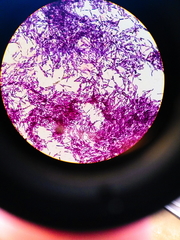 Bacillus thuringiensise2biocontrol_agent
- Outcome
- performed well against the peste2
- Direction
- performed welle2
- Value
- 54.17% and 74.58%e2
Not reportedComparator
Organisms pictured · Representative pictures of the matched species, not figures from the paper.
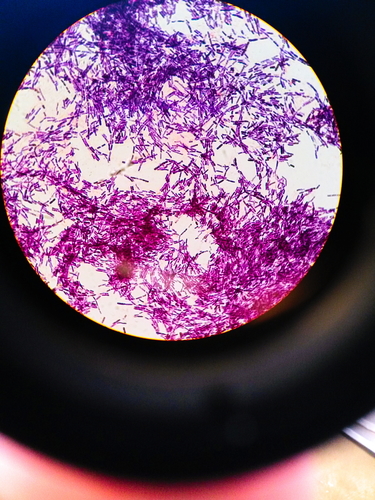
Verbatim
t0“tobacco caterpillar (Spodoptera litura. Fab) on cabbage”
e2“The treatment with Bacillus thuringiensis (54.17% and 74.58%) also performed well against the pest”
Claim · model-written summary
Beauveria bassiana reduced Spodoptera litura larval population on cabbage
- Taxon
- cabbageBrassica oleracea var. capitatat0
- Treatment
- Beauveria bassianae3
- Interactor
- Spodoptera lituraSpodoptera liturat0pest
- Second interactor
- Beauveria bassiana
 Beauveria bassianae3biocontrol_agent
- Outcome
- larval populatione1
- Direction
- decreaseinferrede1
- Value
- 51.83% and 72.20%e3
Not reportedComparator
Organisms pictured · Representative pictures of the matched species, not figures from the paper.

Verbatim
t0“tobacco caterpillar (Spodoptera litura. Fab) on cabbage”
e1“Among all the treatments in both sprays Spinosad 45 EC was most efficacious in reducing the larval population (56.20% and 78.03%) of Spodoptera litura”
e3“Similarly, Beauveria bassiana (51.83% and 72.20%), Indoxacarb (53.20% and 71.67%), NSKE (42.70% and 65.62%) and Neem oil (49.29% and 66.83%)”
Claim · model-written summary
Indoxacarb reduced Spodoptera litura larval population on cabbage
- Taxon
- cabbageBrassica oleracea var. capitatat0
- Treatment
- Indoxacarbe3
- Interactor
- Spodoptera lituraSpodoptera liturat0pest
- Outcome
- larval populatione1
- Direction
- decreaseinferrede1
- Value
- 53.20% and 71.67%e3
Not reportedComparator
Organisms pictured · Representative pictures of the matched species, not figures from the paper.
Verbatim
t0“tobacco caterpillar (Spodoptera litura. Fab) on cabbage”
e1“Among all the treatments in both sprays Spinosad 45 EC was most efficacious in reducing the larval population (56.20% and 78.03%) of Spodoptera litura”
e3“Similarly, Beauveria bassiana (51.83% and 72.20%), Indoxacarb (53.20% and 71.67%), NSKE (42.70% and 65.62%) and Neem oil (49.29% and 66.83%)”
Claim · model-written summary
NSKE reduced Spodoptera litura larval population on cabbage
- Taxon
- cabbageBrassica oleracea var. capitatat0
- Treatment
- NSKEe3
- Interactor
- Spodoptera lituraSpodoptera liturat0pest
- Outcome
- larval populatione1
- Direction
- decreaseinferrede1
- Value
- 42.70% and 65.62%e3
Not reportedComparator
Organisms pictured · Representative pictures of the matched species, not figures from the paper.
Verbatim
t0“tobacco caterpillar (Spodoptera litura. Fab) on cabbage”
e1“Among all the treatments in both sprays Spinosad 45 EC was most efficacious in reducing the larval population (56.20% and 78.03%) of Spodoptera litura”
e3“Similarly, Beauveria bassiana (51.83% and 72.20%), Indoxacarb (53.20% and 71.67%), NSKE (42.70% and 65.62%) and Neem oil (49.29% and 66.83%)”
Claim · model-written summary
Neem oil reduced Spodoptera litura larval population on cabbage
- Taxon
- cabbageBrassica oleracea var. capitatat0
- Treatment
- Neem oile3
- Interactor
- Spodoptera lituraSpodoptera liturat0pest
- Outcome
- larval populatione1
- Direction
- decreaseinferrede1
- Value
- 49.29% and 66.83%e3
Not reportedComparator
Organisms pictured · Representative pictures of the matched species, not figures from the paper.
Verbatim
t0“tobacco caterpillar (Spodoptera litura. Fab) on cabbage”
e1“Among all the treatments in both sprays Spinosad 45 EC was most efficacious in reducing the larval population (56.20% and 78.03%) of Spodoptera litura”
e3“Similarly, Beauveria bassiana (51.83% and 72.20%), Indoxacarb (53.20% and 71.67%), NSKE (42.70% and 65.62%) and Neem oil (49.29% and 66.83%)”
Claim · model-written summary
Spinosad gave the highest cabbage yield, 285.40 q/ha
- Taxon
- cabbageBrassica oleracea var. capitatat0
- Treatment
- Spinosade4
- Outcome
- yielde4
- Direction
- higheste4
- Value
- 285.40 q/hae4
Not reportedComparator
Organisms pictured · Representative pictures of the matched species, not figures from the paper.
Verbatim
t0“tobacco caterpillar (Spodoptera litura. Fab) on cabbage”
e4“Spinosad recorded the highest yield (285.40 q/ha), followed by NSKE which recorded (234.40 q/ha), Bacillus thuringiensis (222.70 q/ha) and Indoxacarb (222.20 q/ha) respectively”
Claim · model-written summary
NSKE gave 234.40 q/ha cabbage yield, the second-highest yield
- Taxon
- cabbageBrassica oleracea var. capitatat0
- Treatment
- NSKEe4
- Outcome
- yielde4
- Direction
- higherinferrede4
- Value
- 234.40 q/hae4
Not reportedComparator
Organisms pictured · Representative pictures of the matched species, not figures from the paper.
Verbatim
t0“tobacco caterpillar (Spodoptera litura. Fab) on cabbage”
e4“Spinosad recorded the highest yield (285.40 q/ha), followed by NSKE which recorded (234.40 q/ha), Bacillus thuringiensis (222.70 q/ha) and Indoxacarb (222.20 q/ha) respectively”
Claim · model-written summary
Bacillus thuringiensis gave 222.70 q/ha cabbage yield
- Taxon
- cabbageBrassica oleracea var. capitatat0
- Treatment
- Bacillus thuringiensise4
- Outcome
- yielde4
- Direction
- higherinferrede4
- Value
- 222.70 q/hae4
Not reportedComparator
Organisms pictured · Representative pictures of the matched species, not figures from the paper.
Verbatim
t0“tobacco caterpillar (Spodoptera litura. Fab) on cabbage”
e4“Spinosad recorded the highest yield (285.40 q/ha), followed by NSKE which recorded (234.40 q/ha), Bacillus thuringiensis (222.70 q/ha) and Indoxacarb (222.20 q/ha) respectively”
Claim · model-written summary
Indoxacarb gave 222.20 q/ha cabbage yield
- Taxon
- cabbageBrassica oleracea var. capitatat0
- Treatment
- Indoxacarbe4
- Outcome
- yielde4
- Direction
- higherinferrede4
- Value
- 222.20 q/hae4
Not reportedComparator
Organisms pictured · Representative pictures of the matched species, not figures from the paper.
Verbatim
t0“tobacco caterpillar (Spodoptera litura. Fab) on cabbage”
e4“Spinosad recorded the highest yield (285.40 q/ha), followed by NSKE which recorded (234.40 q/ha), Bacillus thuringiensis (222.70 q/ha) and Indoxacarb (222.20 q/ha) respectively”
The same questions in other papers
Bacillus thuringiensis · yield · Brassica oleracea (wild cabbage)Positive and negative results
3 papers in the same direction as this paper · 1 in the opposite direction
- no effect
- positive
- positive
1 paper more in this group
See all 5 papers →indoxacarb · Spodoptera litura · Brassica oleracea (wild cabbage)Results agree
1 paper in the same direction as this paper
- positive
spinosad · Spodoptera litura · Brassica oleracea (wild cabbage)Results agree
3 papers in the same direction as this paper
- positive
- positive
- positive
indoxacarb · yield · Brassica oleracea (wild cabbage)Results agree
7 papers in the same direction as this paper
- positive
- positive
- positive
4 papers more in this group
See all 8 papers →spinosad · yield · Brassica oleracea (wild cabbage)Results agree
24 papers in the same direction as this paper
- positive
- positive
- positive
21 papers more in this group
See all 25 papers →botanical · Spodoptera litura · Brassica oleracea (wild cabbage)Results agree
9 papers in the same direction as this paper
- positive
- positive
- positive
6 papers more in this group
See all 10 papers →Claims are grouped by organism, treatment and what was measured or targeted. A paper counts as positive when any of its claims in the group is positive.