Abstract
Results of field evaluation of biopesticides against diamondback moth (Plutella xylostella) and aphids (Brevicornye brassicae and Lipaphis erysimi) on cabbage during rabi seasons 2016–17 and 2017–18 are reported. The experiments were laid out in randomized complete block design (RCBD) with seven treatments and an untreated control each in three replications. Nimbicidine resulted in the highest mean per cent reduction (53.33, 49.71) over control (PROC) after first and second spray against diamondback moth during 2016–17 followed by neemban (46.31, 41.13), Beauveria bassiana (33.36, 35.12), Metarhizium anisopliae (30.50, 26.33) and Verticillium lecanii (26.07, 19.21). Nimbicidine resulted in the highest mean PROC of (60.19, 63.45) after first and second spray against aphids during 2016–17, followed by neemban (54.90, 57.33), V. lecanii (45.87, 50.41), B. bassiana (37.83, 42.67) and M. anisopliae (32.96, 40.49).
Abstract from the paper’s OpenAlex record; open copy licensed cc-by. Read at the source ↗
The text the model read, with the source record’s inline markup (italics, sub- and superscripts) rendered and its character entities decoded; quote offsets refer to the raw text.
Claims 10
Claim · model-written summary
Nimbicidine gave the highest diamondback moth reductions after first and second spray in 2016–17.
- Taxon
- Cabbage
 Brassica oleracea var. capitatat0
- Treatment
- Nimbicidinee0
- Interactor
- diamondback moth
 Plutella xylostellae0pest
- Outcome
- per cent reductione0
- Direction
- reductione0
- Value
- 53.33, 49.71e0
- Comparator
- controle0
Organisms pictured · Representative pictures of the matched species, not figures from the paper.


Verbatim
e0“Nimbicidine resulted in the highest mean per cent reduction (53.33, 49.71) over control (PROC) after first and second spray against diamondback moth during 2016–17”
t0“on Cabbage”
Claim · model-written summary
Neemban followed Nimbicidine for moth reduction at 46.31 and 41.13.
- Taxon
- CabbageBrassica oleracea var. capitatat0
- Treatment
- neembane0
- Interactor
- diamondback mothPlutella xylostellae1pest
- Outcome
- per cent reductione1
- Direction
- reductione1
- Value
- 46.31, 41.13e0
- Comparator
- controle1
Organisms pictured · Representative pictures of the matched species, not figures from the paper.
Verbatim
e0“followed by neemban (46.31, 41.13), Beauveria bassiana (33.36, 35.12), Metarhizium anisopliae (30.50, 26.33) and Verticillium lecanii (26.07, 19.21).”
e1“per cent reduction (53.33, 49.71) over control (PROC) after first and second spray against diamondback moth”
t0“on Cabbage”
Claim · model-written summary
Beauveria bassiana reduced diamondback moth by 33.36 and 35.12 percent over control.
- Taxon
- CabbageBrassica oleracea var. capitatat0
- Treatment
- Beauveria bassianae0
- Interactor
- diamondback mothPlutella xylostellae1pest
- Second interactor
- Beauveria bassiana
 Beauveria bassianae0biocontrol_agent
- Outcome
- per cent reductione1
- Direction
- reductione1
- Value
- 33.36, 35.12e0
- Comparator
- controle1
Organisms pictured · Representative pictures of the matched species, not figures from the paper.

Verbatim
e0“Beauveria bassiana (33.36, 35.12)”
e1“per cent reduction (53.33, 49.71) over control (PROC) after first and second spray against diamondback moth”
t0“on Cabbage”
Claim · model-written summary
Metarhizium anisopliae reduced diamondback moth by 30.50 and 26.33 percent over control.
- Taxon
- CabbageBrassica oleracea var. capitatat0
- Treatment
- Metarhizium anisopliaee0
- Interactor
- diamondback mothPlutella xylostellae1pest
- Second interactor
- Metarhizium anisopliae
 Metarhizium anisopliaee0biocontrol_agent
- Outcome
- per cent reductione1
- Direction
- reductione1
- Value
- 30.50, 26.33e0
- Comparator
- controle1
Organisms pictured · Representative pictures of the matched species, not figures from the paper.

Verbatim
e0“Metarhizium anisopliae (30.50, 26.33)”
e1“per cent reduction (53.33, 49.71) over control (PROC) after first and second spray against diamondback moth”
t0“on Cabbage”
Claim · model-written summary
Verticillium lecanii reduced diamondback moth by 26.07 and 19.21 percent over control.
- Taxon
- CabbageBrassica oleracea var. capitatat0
- Treatment
- Verticillium lecaniie0
- Interactor
- diamondback mothPlutella xylostellae1pest
- Second interactor
- Verticillium lecanii
 Akanthomyces lecaniie0biocontrol_agent
- Outcome
- per cent reductione1
- Direction
- reductione1
- Value
- 26.07, 19.21e0
- Comparator
- controle1
Organisms pictured · Representative pictures of the matched species, not figures from the paper.
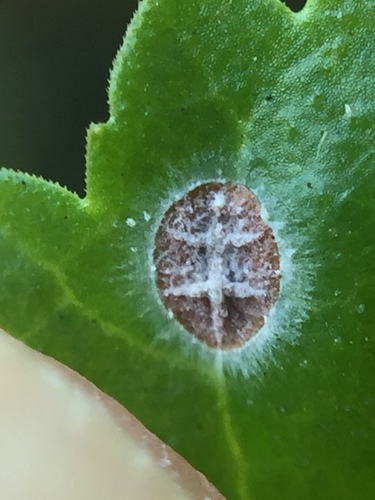
Verbatim
e0“Verticillium lecanii (26.07, 19.21)”
e1“per cent reduction (53.33, 49.71) over control (PROC) after first and second spray against diamondback moth”
t0“on Cabbage”
Claim · model-written summary
Nimbicidine gave the highest aphid reduction, 60.19 and 63.45 percent after two sprays.
- Taxon
- CabbageBrassica oleracea var. capitatat0
- Treatment
- Nimbicidinee0
- Interactor
- aphidsAphidomorphae0pest
- Outcome
- aphidse0
- Direction
- higheste0
- Value
- 60.19, 63.45e0
- Comparator
- controle1
Organisms pictured · Representative pictures of the matched species, not figures from the paper.
Verbatim
e0“Nimbicidine resulted in the highest mean PROC of (60.19, 63.45) after first and second spray against aphids during 2016–17”
e1“reduction (53.33, 49.71) over control (PROC)”
t0“on Cabbage”
Claim · model-written summary
Neemban reduced aphids by 54.90 and 57.33 percent.
- Taxon
- CabbageBrassica oleracea var. capitatat0
- Treatment
- neembane0
- Interactor
- aphidsAphidomorphae1pest
- Outcome
- aphidse1
- Value
- 54.90, 57.33e0
- Comparator
- controle2
Not reportedDirection
Organisms pictured · Representative pictures of the matched species, not figures from the paper.
Verbatim
e0“followed by neemban (54.90, 57.33), V. lecanii (45.87, 50.41), B. bassiana (37.83, 42.67) and M. anisopliae (32.96, 40.49).”
e1“highest mean PROC of (60.19, 63.45) after first and second spray against aphids”
e2“over control (PROC)”
t0“on Cabbage”
Claim · model-written summary
V. lecanii reduced aphids by 45.87 and 50.41 percent.
- Taxon
- CabbageBrassica oleracea var. capitatat0
- Treatment
- V. lecaniie0
- Interactor
- aphidsAphidomorphae1pest
- Second interactor
- V. lecaniiAkanthomyces lecaniie0biocontrol_agent
- Outcome
- aphidse1
- Value
- 45.87, 50.41e0
- Comparator
- controle2
Not reportedDirection
Organisms pictured · Representative pictures of the matched species, not figures from the paper.
Verbatim
e0“V. lecanii (45.87, 50.41)”
e1“highest mean PROC of (60.19, 63.45) after first and second spray against aphids”
e2“over control (PROC)”
t0“on Cabbage”
Claim · model-written summary
B. bassiana reduced aphids by 37.83 and 42.67 percent.
- Taxon
- CabbageBrassica oleracea var. capitatat0
- Treatment
- B. bassianae0
- Interactor
- aphidsAphidomorphae1pest
- Second interactor
- B. bassianaBeauveria bassianae0biocontrol_agent
- Outcome
- aphidse1
- Value
- 37.83, 42.67e0
- Comparator
- controle2
Not reportedDirection
Organisms pictured · Representative pictures of the matched species, not figures from the paper.
Verbatim
e0“B. bassiana (37.83, 42.67)”
e1“highest mean PROC of (60.19, 63.45) after first and second spray against aphids”
e2“over control (PROC)”
t0“on Cabbage”
Claim · model-written summary
M. anisopliae reduced aphids by 32.96 and 40.49 percent.
- Taxon
- CabbageBrassica oleracea var. capitatat0
- Treatment
- M. anisopliaee0
- Interactor
- aphidsAphidomorphae1pest
- Second interactor
- M. anisopliaeMetarhizium anisopliaee0biocontrol_agent
- Outcome
- aphidse1
- Value
- 32.96, 40.49e0
- Comparator
- controle2
Not reportedDirection
Organisms pictured · Representative pictures of the matched species, not figures from the paper.
Verbatim
e0“M. anisopliae (32.96, 40.49)”
e1“highest mean PROC of (60.19, 63.45) after first and second spray against aphids”
e2“over control (PROC)”
t0“on Cabbage”
The same questions in other papers
Beauveria bassiana · Plutella xylostella · Brassica oleracea (wild cabbage)Positive and negative results
8 papers in the same direction as this paper · 2 in the opposite direction
- negative
- negative
- positive
7 papers more in this group
See all 11 papers →Metarhizium anisopliae · Plutella xylostella · Brassica oleracea (wild cabbage)Results agree
1 paper in the same direction as this paper
- positive
Akanthomyces lecanii · Plutella xylostella · Brassica oleracea (wild cabbage)Results agree
1 paper in the same direction as this paper
- positive
Beauveria bassiana · Aphidomorpha · Brassica oleracea (wild cabbage)Results agree
1 paper in the same direction as this paper
- positive
Claims are grouped by organism, treatment and what was measured or targeted. A paper counts as positive when any of its claims in the group is positive.