Abstract
The present investigation was conducted during Kharif-2016 at Central Field of agriculture, SHUATS, Allahabad. The occurrence of shoot and fruit borer, (Earias vittella) 34th standard week (August third week) with an average population of 2.71% infestation and then the population gradually increased and reached to its peak level by 39th standard week (October first week) with an average population of 39.44% infestation. There after declined trend was observed as temperature decreased. It was found that a population of shoot and fruit borer increased with increasing maximum temperature and positively correlated with maximum temperature. All the seven treatments Spinosad, Rynaxypyr, Indoxacarb, Bacillus thuringiensis, Beauveria bassiana, Neem leaf extract, and NSKE reduced the infestation as compared to the untreated control. The population of shoot and fruit borer (Earias vitella Fabricius), after three sprays revealed that the treatments Spinosad is found to be superior with a least population of percent infestation of (10.29%), followed by Indoxacarb (11.99%), Rynaxypyr (12.87%) and NSKE (13.53%).
Abstract from the paper’s OpenAlex record, shown for indexing and research. Copyright remains with the authors or the publisher. Read at the source ↗
The text the model read, with the source record’s inline markup (italics, sub- and superscripts) rendered and its character entities decoded; quote offsets refer to the raw text.
Claims 11
Claim · model-written summary
Borer infestation was 2.71% in the 34th standard week.
- Taxon
- okra crop
 Abelmoschus esculentust0
- Interactor
- Earias vittella
 Earias vittellae0pest
- Outcome
- average population of 2.71% infestatione0
- Value
- 2.71%e0
- Qualifier
- 34th standard week (August third week)e0
Organisms pictured · Representative pictures of the matched species, not figures from the paper.


Verbatim
e0“The occurrence of shoot and fruit borer, (Earias vittella) 34th standard week (August third week) with an average population of 2.71% infestation”
t0“okra crop [ Abelmoschus esculentus (L.) Moench]”
Claim · model-written summary
Borer infestation peaked at 39.44% in the 39th standard week.
- Taxon
- okra cropAbelmoschus esculentust0
- Interactor
- Earias vittellaEarias vittellae1pest
- Outcome
- average population of 39.44% infestatione0
- Direction
- peak levele0
- Value
- 39.44%e0
- Qualifier
- 39th standard week (October first week)e0
Organisms pictured · Representative pictures of the matched species, not figures from the paper.
Verbatim
e0“reached to its peak level by 39th standard week (October first week) with an average population of 39.44% infestation”
e1“shoot and fruit borer, (Earias vittella)”
t0“okra crop [ Abelmoschus esculentus (L.) Moench]”
Claim · model-written summary
Borer population declined as temperature decreased.
- Taxon
- okra cropAbelmoschus esculentust0
- Interactor
- Earias vittellaEarias vittellae1pest
- Outcome
- populatione2
- Direction
- declinede0
- Qualifier
- temperature decreasede0
Organisms pictured · Representative pictures of the matched species, not figures from the paper.
Verbatim
e0“There after declined trend was observed as temperature decreased”
e1“shoot and fruit borer, (Earias vittella)”
e2“The occurrence of shoot and fruit borer, (Earias vittella) 34th standard week (August third week) with an average population of 2.71% infestation”
t0“okra crop [ Abelmoschus esculentus (L.) Moench]”
Claim · model-written summary
Borer population was positively correlated with maximum temperature.
- Taxon
- okra cropAbelmoschus esculentust0
- Interactor
- Earias vittellaEarias vittellae1pest
- Outcome
- population of shoot and fruit borere0
- Direction
- increasede0
- Qualifier
- maximum temperaturee0
Organisms pictured · Representative pictures of the matched species, not figures from the paper.
Verbatim
e0“a population of shoot and fruit borer increased with increasing maximum temperature and positively correlated with maximum temperature”
e1“(Earias vittella)”
t0“okra crop [ Abelmoschus esculentus (L.) Moench]”
Claim · model-written summary
Spinosad reduced infestation relative to untreated control and gave 10.29% infestation after three sprays.
- Taxon
- okra cropAbelmoschus esculentust0
- Treatment
- Spinosade0
- Outcome
- percent infestatione1
- Direction
- reducede0
- Value
- 10.29%e1
- Comparator
- untreated controle0
Organisms pictured · Representative pictures of the matched species, not figures from the paper.
Verbatim
e0“All the seven treatments Spinosad, Rynaxypyr, Indoxacarb, Bacillus thuringiensis, Beauveria bassiana, Neem leaf extract, and NSKE reduced the infestation as compared to the untreated control.”
e1“Spinosad is found to be superior with a least population of percent infestation of (10.29%)”
t0“okra crop [ Abelmoschus esculentus (L.) Moench]”
Claim · model-written summary
Indoxacarb reduced infestation and gave 11.99% after three sprays.
- Taxon
- okra cropAbelmoschus esculentust0
- Treatment
- Indoxacarbe0
- Outcome
- infestatione1
- Direction
- reducede1
- Value
- 11.99%e0
- Comparator
- untreated controle1
Organisms pictured · Representative pictures of the matched species, not figures from the paper.
Verbatim
e0“Indoxacarb (11.99%)”
e1“All the seven treatments Spinosad, Rynaxypyr, Indoxacarb, Bacillus thuringiensis, Beauveria bassiana, Neem leaf extract, and NSKE reduced the infestation as compared to the untreated control.”
t0“okra crop [ Abelmoschus esculentus (L.) Moench]”
Claim · model-written summary
Rynaxypyr reduced infestation and gave 12.87% after three sprays.
- Taxon
- okra cropAbelmoschus esculentust0
- Treatment
- Rynaxypyre0
- Outcome
- infestatione1
- Direction
- reducede1
- Value
- 12.87%e0
- Comparator
- untreated controle1
Organisms pictured · Representative pictures of the matched species, not figures from the paper.
Verbatim
e0“Rynaxypyr (12.87%)”
e1“All the seven treatments Spinosad, Rynaxypyr, Indoxacarb, Bacillus thuringiensis, Beauveria bassiana, Neem leaf extract, and NSKE reduced the infestation as compared to the untreated control.”
t0“okra crop [ Abelmoschus esculentus (L.) Moench]”
Claim · model-written summary
NSKE reduced infestation and gave 13.53% after three sprays.
- Taxon
- okra cropAbelmoschus esculentust0
- Treatment
- NSKEe0
- Outcome
- infestatione1
- Direction
- reducede1
- Value
- 13.53%e0
- Comparator
- untreated controle1
Organisms pictured · Representative pictures of the matched species, not figures from the paper.
Verbatim
e0“NSKE (13.53%)”
e1“All the seven treatments Spinosad, Rynaxypyr, Indoxacarb, Bacillus thuringiensis, Beauveria bassiana, Neem leaf extract, and NSKE reduced the infestation as compared to the untreated control.”
t0“okra crop [ Abelmoschus esculentus (L.) Moench]”
Claim · model-written summary
Bacillus thuringiensis reduced infestation compared with untreated control.
- Taxon
- okra cropAbelmoschus esculentust0
- Treatment
- Bacillus thuringiensise0
- Interactor
- Bacillus thuringiensis
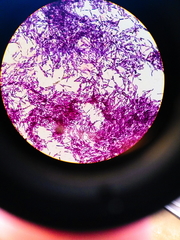 Bacillus thuringiensise0biocontrol_agent
- Outcome
- infestatione0
- Direction
- reducede0
- Comparator
- untreated controle0
Organisms pictured · Representative pictures of the matched species, not figures from the paper.
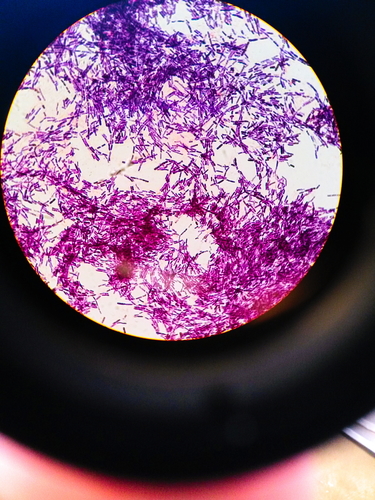
Verbatim
e0“All the seven treatments Spinosad, Rynaxypyr, Indoxacarb, Bacillus thuringiensis, Beauveria bassiana, Neem leaf extract, and NSKE reduced the infestation as compared to the untreated control.”
t0“okra crop [ Abelmoschus esculentus (L.) Moench]”
Claim · model-written summary
Beauveria bassiana reduced infestation compared with untreated control.
- Taxon
- okra cropAbelmoschus esculentust0
- Treatment
- Beauveria bassianae0
- Interactor
- Beauveria bassiana
 Beauveria bassianae0biocontrol_agent
- Outcome
- infestatione0
- Direction
- reducede0
- Comparator
- untreated controle0
Organisms pictured · Representative pictures of the matched species, not figures from the paper.

Verbatim
e0“All the seven treatments Spinosad, Rynaxypyr, Indoxacarb, Bacillus thuringiensis, Beauveria bassiana, Neem leaf extract, and NSKE reduced the infestation as compared to the untreated control.”
t0“okra crop [ Abelmoschus esculentus (L.) Moench]”
Claim · model-written summary
Neem leaf extract reduced infestation compared with untreated control.
- Taxon
- okra cropAbelmoschus esculentust0
- Treatment
- Neem leaf extracte0
- Outcome
- infestatione0
- Direction
- reducede0
- Comparator
- untreated controle0
Organisms pictured · Representative pictures of the matched species, not figures from the paper.
Verbatim
e0“All the seven treatments Spinosad, Rynaxypyr, Indoxacarb, Bacillus thuringiensis, Beauveria bassiana, Neem leaf extract, and NSKE reduced the infestation as compared to the untreated control.”
t0“okra crop [ Abelmoschus esculentus (L.) Moench]”
The same questions in other papers
indoxacarb · pest · Abelmoschus esculentus (okra)Positive and negative results
4 papers in the same direction as this paper · 1 in the opposite direction
- negative
- positive
- positive
2 papers more in this group
See all 6 papers →Azadirachta indica · pest · Abelmoschus esculentus (okra)Positive and negative results
8 papers in the same direction as this paper · 1 in the opposite direction
- no effect
- positive
- positive
6 papers more in this group
See all 10 papers →Bacillus thuringiensis · pest · Abelmoschus esculentus (okra)Results agree
2 papers in the same direction as this paper
- positive
- positive
Beauveria bassiana · pest · Abelmoschus esculentus (okra)Results agree
3 papers in the same direction as this paper
- positive
- positive
- positive
spinosad · pest · Abelmoschus esculentus (okra)Results agree
9 papers in the same direction as this paper
- positive
- positive
- positive
6 papers more in this group
See all 10 papers →botanical · pest · Abelmoschus esculentus (okra)Positive and negative results
50 papers in the same direction as this paper · 4 in the opposite direction
- no effect
- no effect
- negative
51 papers more in this group
See all 55 papers →Claims are grouped by organism, treatment and what was measured or targeted. A paper counts as positive when any of its claims in the group is positive.