Abstract
The study examined the individual and combined effects of Aloe Vera Leaf Extract (ALE) (0, 2, and 4 ml L− 1) and Date Palm Seed Extract (PSE) (2 and 4 g L− 1) on Cumin (Cuminum cyminum L.) growth, biochemical content/composition, nutrient content/composition, and essential oil profiles. Application of ALE 4 ml L− 1 and PSE 2 g L− 1 as foliar treatments improved the characteristics of reproductive development by increasing seed inflorescence weight and diameter by 122.84% and 58.32%, respectively, compared to the control. Spraying ALE (4 ml L− 1), PSE (4 g L− 1) + ALE (4 ml L− 1) + PSE (2 g L− 1) on foliage resulted in an increase of 8.33% in number of flowers per plant and 51.31% increase in total yield/plant. Total phenolic content increased by 10.40%, 8.50% and 8.76% with PSE 2 g L− 1, PSE 4 g L− 1 and ALE 2 ml L− 1 compared to the control, respectively. ALE at a concentration of 2 ml L− 1 significantly increased the total flavonoid content by 115.59% compared to the control. Carbohydrate content of seeds and leaves increased significantly by 30.27% and 102.55% with ALE 2 ml L− 1 compared to the control, respectively. The ALE 4 ml L− 1 treatment resulted in a 166.66% increase in sulfur, while the ALE 4 ml L− 1 + PSE 4 g L− 1 combination resulted in a 0.239% phosphorus content compared to the control. There were 4 total compounds that were identified from both the 4 ml L-1 ALE treatment and the 4 g L-1 PSE treatment, 1,3-benzodioxole, 4,5-dimethoxy-6-(2-propenyl)-, carvone, D-limonene. These studies suggest that both ALE and PSE can enhance the growth of plants, yield from their harvest, physicochemical properties, and phytochemical profiles; Therefore, enhancing the growth and development of plants through a more sustainable approach to enhance their production and increasing bioactive compound production will be achieved by using environmentally friendly, low-input chemicals such as ALE and PSE.
Abstract from the paper’s OpenAlex record; open copy licensed cc-by-nc-nd. Read at the source ↗
The text the model read, with the source record’s inline markup (italics, sub- and superscripts) rendered and its character entities decoded; quote offsets refer to the raw text.
Claims 13
Claim · model-written summary
Foliar ALE 4 ml/L and PSE 2 g/L treatments increased seed inflorescence weight by 122.84% compared with control.
- Taxon
- Cuminum cyminum L.
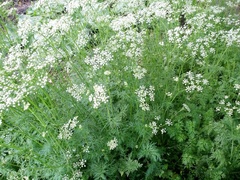 Cuminum cyminumt0
- Organ / stage
- seed inflorescencee1
- Treatment
- ALE 4 ml L− 1 and PSE 2 g L− 1 as foliar treatmentse1
- Outcome
- seed inflorescence weighte1
- Direction
- increasinge1
- Value
- 122.84%e1
- Comparator
- controle1
Organisms pictured · Representative pictures of the matched species, not figures from the paper.
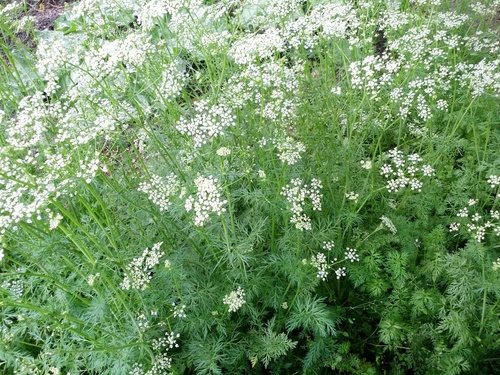
Verbatim
t0“cumin (Cuminum cyminum L.)”
e1“Application of ALE 4 ml L− 1 and PSE 2 g L− 1 as foliar treatments improved the characteristics of reproductive development by increasing seed inflorescence weight and diameter by 122.84% and 58.32%, respectively, compared to the control”
Claim · model-written summary
Foliar ALE 4 ml/L and PSE 2 g/L treatments increased seed inflorescence diameter by 58.32% compared with control.
- Taxon
- Cuminum cyminum L.Cuminum cyminumt0
- Organ / stage
- seed inflorescencee1
- Treatment
- ALE 4 ml L− 1 and PSE 2 g L− 1 as foliar treatmentse1
- Outcome
- diametere1
- Direction
- increasinge1
- Value
- 58.32%e1
- Comparator
- controle1
Organisms pictured · Representative pictures of the matched species, not figures from the paper.
Verbatim
t0“cumin (Cuminum cyminum L.)”
e1“Application of ALE 4 ml L− 1 and PSE 2 g L− 1 as foliar treatments improved the characteristics of reproductive development by increasing seed inflorescence weight and diameter by 122.84% and 58.32%, respectively, compared to the control”
Claim · model-written summary
Foliar spraying of ALE 4 ml/L, PSE 4 g/L and their combination with ALE 4 ml/L and PSE 2 g/L increased number of flowers per plant by 8.33%.
- Taxon
- Cuminum cyminum L.Cuminum cyminumt0
- Treatment
- Spraying ALE (4 ml L− 1), PSE (4 g L− 1) + ALE (4 ml L− 1) + PSE (2 g L− 1) on foliagee2
- Outcome
- number of flowers per plante2
- Direction
- increasee2
- Value
- 8.33%e2
Not reportedComparator
Organisms pictured · Representative pictures of the matched species, not figures from the paper.
Verbatim
t0“cumin (Cuminum cyminum L.)”
e2“Spraying ALE (4 ml L− 1), PSE (4 g L− 1) + ALE (4 ml L− 1) + PSE (2 g L− 1) on foliage resulted in an increase of 8.33% in number of flowers per plant and 51.31% increase in total yield/plant”
Claim · model-written summary
Foliar spraying of ALE 4 ml/L, PSE 4 g/L and their combination with ALE 4 ml/L and PSE 2 g/L increased total yield per plant by 51.31%.
- Taxon
- Cuminum cyminum L.Cuminum cyminumt0
- Treatment
- Spraying ALE (4 ml L− 1), PSE (4 g L− 1) + ALE (4 ml L− 1) + PSE (2 g L− 1) on foliagee2
- Outcome
- total yield/plante2
- Direction
- increasee2
- Value
- 51.31%e2
Not reportedComparator
Organisms pictured · Representative pictures of the matched species, not figures from the paper.
Verbatim
t0“cumin (Cuminum cyminum L.)”
e2“Spraying ALE (4 ml L− 1), PSE (4 g L− 1) + ALE (4 ml L− 1) + PSE (2 g L− 1) on foliage resulted in an increase of 8.33% in number of flowers per plant and 51.31% increase in total yield/plant”
Claim · model-written summary
PSE 2 g/L increased total phenolic content by 10.40% compared with control.
- Taxon
- Cuminum cyminum L.Cuminum cyminumt0
- Treatment
- PSE 2 g L− 1e3
- Outcome
- Total phenolic contente3
- Direction
- increasede3
- Value
- 10.40%e3
- Comparator
- controle3
Organisms pictured · Representative pictures of the matched species, not figures from the paper.
Verbatim
t0“cumin (Cuminum cyminum L.)”
e3“Total phenolic content increased by 10.40%, 8.50% and 8.76% with PSE 2 g L− 1, PSE 4 g L− 1 and ALE 2 ml L− 1 compared to the control”
Claim · model-written summary
PSE 4 g/L increased total phenolic content by 8.50% compared with control.
- Taxon
- Cuminum cyminum L.Cuminum cyminumt0
- Treatment
- PSE 4 g L− 1e3
- Outcome
- Total phenolic contente3
- Direction
- increasede3
- Value
- 8.50%e3
- Comparator
- controle3
Organisms pictured · Representative pictures of the matched species, not figures from the paper.
Verbatim
t0“cumin (Cuminum cyminum L.)”
e3“Total phenolic content increased by 10.40%, 8.50% and 8.76% with PSE 2 g L− 1, PSE 4 g L− 1 and ALE 2 ml L− 1 compared to the control”
Claim · model-written summary
ALE 2 ml/L increased total phenolic content by 8.76% compared with control.
- Taxon
- Cuminum cyminum L.Cuminum cyminumt0
- Treatment
- ALE 2 ml L− 1e3
- Outcome
- Total phenolic contente3
- Direction
- increasede3
- Value
- 8.76%e3
- Comparator
- controle3
Organisms pictured · Representative pictures of the matched species, not figures from the paper.
Verbatim
t0“cumin (Cuminum cyminum L.)”
e3“Total phenolic content increased by 10.40%, 8.50% and 8.76% with PSE 2 g L− 1, PSE 4 g L− 1 and ALE 2 ml L− 1 compared to the control”
Claim · model-written summary
ALE 2 ml/L significantly increased total flavonoid content by 115.59% compared with control.
- Taxon
- Cuminum cyminum L.Cuminum cyminumt0
- Treatment
- ALE at a concentration of 2 ml L− 1e4
- Outcome
- total flavonoid contente4
- Direction
- increasede4
- Value
- 115.59%e4
- Comparator
- controle4
Organisms pictured · Representative pictures of the matched species, not figures from the paper.
Verbatim
t0“cumin (Cuminum cyminum L.)”
e4“ALE at a concentration of 2 ml L− 1 significantly increased the total flavonoid content by 115.59% compared to the control”
Claim · model-written summary
ALE 2 ml/L significantly increased carbohydrate content of seeds by 30.27% compared with control.
- Taxon
- Cuminum cyminum L.Cuminum cyminumt0
- Organ / stage
- seedse5
- Treatment
- ALE 2 ml L− 1e5
- Outcome
- Carbohydrate contente5
- Direction
- increasede5
- Value
- 30.27%e5
- Comparator
- controle5
Organisms pictured · Representative pictures of the matched species, not figures from the paper.
Verbatim
t0“cumin (Cuminum cyminum L.)”
e5“Carbohydrate content of seeds and leaves increased significantly by 30.27% and 102.55% with ALE 2 ml L− 1 compared to the control”
Claim · model-written summary
ALE 2 ml/L significantly increased carbohydrate content of leaves by 102.55% compared with control.
- Taxon
- Cuminum cyminum L.Cuminum cyminumt0
- Organ / stage
- leavese5
- Treatment
- ALE 2 ml L− 1e5
- Outcome
- Carbohydrate contente5
- Direction
- increasede5
- Value
- 102.55%e5
- Comparator
- controle5
Organisms pictured · Representative pictures of the matched species, not figures from the paper.
Verbatim
t0“cumin (Cuminum cyminum L.)”
e5“Carbohydrate content of seeds and leaves increased significantly by 30.27% and 102.55% with ALE 2 ml L− 1 compared to the control”
Claim · model-written summary
ALE 4 ml/L treatment increased sulfur by 166.66%.
- Taxon
- Cuminum cyminum L.Cuminum cyminumt0
- Treatment
- ALE 4 ml L− 1 treatmente6
- Outcome
- sulfure6
- Direction
- increasee6
- Value
- 166.66%e6
Not reportedComparator
Organisms pictured · Representative pictures of the matched species, not figures from the paper.
Verbatim
t0“cumin (Cuminum cyminum L.)”
e6“The ALE 4 ml L− 1 treatment resulted in a 166.66% increase in sulfur, while the ALE 4 ml L− 1 + PSE 4 g L− 1 combination resulted in a 0.239% phosphorus content compared to the control”
Claim · model-written summary
The ALE 4 ml/L + PSE 4 g/L combination gave a phosphorus content of 0.239% compared with control.
- Taxon
- Cuminum cyminum L.Cuminum cyminumt0
- Treatment
- ALE 4 ml L− 1 + PSE 4 g L− 1 combinatione6
- Outcome
- phosphorus contente6
- Value
- 0.239%e6
- Comparator
- controle6
Not reportedDirection
Organisms pictured · Representative pictures of the matched species, not figures from the paper.
Verbatim
t0“cumin (Cuminum cyminum L.)”
e6“The ALE 4 ml L− 1 treatment resulted in a 166.66% increase in sulfur, while the ALE 4 ml L− 1 + PSE 4 g L− 1 combination resulted in a 0.239% phosphorus content compared to the control”
Claim · model-written summary
Four compounds were identified from the 4 ml/L ALE and 4 g/L PSE treatments.
- Taxon
- Cuminum cyminum L.Cuminum cyminumt0
- Treatment
- 4 ml L-1 ALE treatment and the 4 g L-1 PSE treatmente7
- Outcome
- total compoundse7
- Value
- 4e7
Organisms pictured · Representative pictures of the matched species, not figures from the paper.
Verbatim
t0“cumin (Cuminum cyminum L.)”
e7“There were 4 total compounds that were identified from both the 4 ml L-1 ALE treatment and the 4 g L-1 PSE treatment”
The same questions in other papers
botanical · growth · Cuminum cyminum (cumin)Positive and negative results
3 papers in the same direction as this paper · 1 in the opposite direction
- negative
- positive
- positive
1 paper more in this group
See all 5 papers →botanical · quality: phytochemicals · Cuminum cyminum (cumin)Results agree
2 papers in the same direction as this paper
- positive
- positive
application · growth · Cuminum cyminum (cumin)Results agree
5 papers in the same direction as this paper
- positive
- positive
- positive
2 papers more in this group
See all 6 papers →botanical · yield · Cuminum cyminum (cumin)Results agree
6 papers in the same direction as this paper
- positive
- positive
- positive
3 papers more in this group
See all 7 papers →application · yield · Cuminum cyminum (cumin)Results agree
8 papers in the same direction as this paper
- positive
- positive
- positive
5 papers more in this group
See all 9 papers →Claims are grouped by organism, treatment and what was measured or targeted. A paper counts as positive when any of its claims in the group is positive.