Abstract
Seed germination stage is one of the most basic growth stages in medicinal plants that may be adversely affected by the chemicals released from other plants in the soil environment. The present study was performed to investigate the allelopathic effects of weeds, including (Xanthium strumarium, Amaranthus retroflexus and Chenopodium album) as common weeds in medicinal plant's farms, on seed germination parameters, total dry weight and allometry coefficient of Trachyspermum copticum L., Foeniculum vulgare and Cuminum cyminum L. in laboratory conditions. Treatments included extracts of all organs of three weed species, applied on the seeds of the medicinal plants at three concentrations of zero (distilled water), 50 and 100% by volume. The results showed that the extracts of mentioned weed species had a significant inhibitory effect on germination characteristics of the studied medicinal plants. The greatest negative impact on seed germination was recorded for the extract of Amaranthus retroflexus, but Trachyspermum copticum L. showed a better resistance to the extract of Amaranthus retroflexus as compared to Foeniculum vulgare and Cuminum cyminum.
Abstract from the paper’s OpenAlex record, shown for indexing and research. Copyright remains with the authors or the publisher. Read at the source ↗
The text the model read, with the source record’s inline markup (italics, sub- and superscripts) rendered and its character entities decoded; quote offsets refer to the raw text.
Claims 5
Claim · model-written summary
Weed extracts significantly inhibited germination characteristics of Trachyspermum copticum L.
- Taxon
- Trachyspermum copticum L.
 Trachyspermum copticumt0
- Treatment
- extracts of mentioned weed speciese0
- Outcome
- germination characteristicse0
- Direction
- inhibitorye0
- Comparator
- zero (distilled water)e1
Organisms pictured · Representative pictures of the matched species, not figures from the paper.

Verbatim
t0“Trachyspermum copticum L.”
e0“extracts of mentioned weed species had a significant inhibitory effect on germination characteristics of the studied medicinal plants”
e1“zero (distilled water), 50 and 100% by volume”
Claim · model-written summary
Weed extracts significantly inhibited germination characteristics of Foeniculum vulgare.
- Taxon
- Foeniculum vulgare
 Anethum foeniculumt0
- Treatment
- extracts of mentioned weed speciese0
- Outcome
- germination characteristicse0
- Direction
- inhibitorye0
- Comparator
- zero (distilled water)e1
Organisms pictured · Representative pictures of the matched species, not figures from the paper.

Verbatim
t0“Foeniculum vulgare”
e0“extracts of mentioned weed species had a significant inhibitory effect on germination characteristics of the studied medicinal plants”
e1“zero (distilled water), 50 and 100% by volume”
Claim · model-written summary
Weed extracts significantly inhibited germination characteristics of Cuminum cyminum.
- Taxon
- Cuminum cyminum
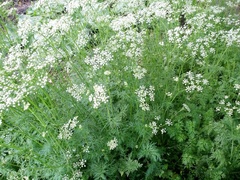 Cuminum cyminumt0
- Treatment
- extracts of mentioned weed speciese0
- Outcome
- germination characteristicse0
- Direction
- inhibitorye0
- Comparator
- zero (distilled water)e1
Organisms pictured · Representative pictures of the matched species, not figures from the paper.
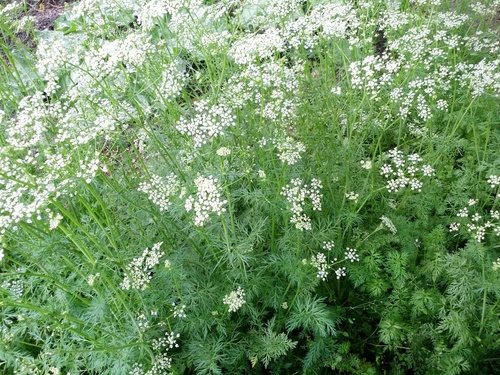
Verbatim
t0“Cuminum cyminum”
e0“extracts of mentioned weed species had a significant inhibitory effect on germination characteristics of the studied medicinal plants”
e1“zero (distilled water), 50 and 100% by volume”
Claim · model-written summary
Amaranthus retroflexus extract had the greatest negative effect on seed germination.
- Taxon
- Trachyspermum copticum L., Foeniculum vulgare and Cuminum cyminumCuminum cyminumAnethum foeniculumTrachyspermum copticumt0
- Treatment
- extract of Amaranthus retroflexuse0
- Interactor
- Amaranthus retroflexus
 Amaranthus retroflexuse0weed
- Outcome
- seed germinatione0
- Direction
- greatest negative impacte0
- Comparator
- Xanthium strumarium, Amaranthus retroflexus and Chenopodium albume1
Organisms pictured · Representative pictures of the matched species, not figures from the paper.

Verbatim
t0“Trachyspermum copticum L., Foeniculum vulgare and Cuminum cyminum”
e0“The greatest negative impact on seed germination was recorded for the extract of Amaranthus retroflexus”
e1“weeds, including (Xanthium strumarium, Amaranthus retroflexus and Chenopodium album)”
Claim · model-written summary
Trachyspermum copticum L. resisted Amaranthus retroflexus extract better than Foeniculum vulgare and Cuminum cyminum.
- Taxon
- Trachyspermum copticum L.Trachyspermum copticume0
- Interactor
- Amaranthus retroflexusAmaranthus retroflexuse0weed
- Outcome
- resistancee0
- Direction
- bettere0
- Comparator
- Foeniculum vulgare and Cuminum cyminume0
Organisms pictured · Representative pictures of the matched species, not figures from the paper.
Verbatim
t0“Trachyspermum copticum L.”
e0“Trachyspermum copticum L. showed a better resistance to the extract of Amaranthus retroflexus as compared to Foeniculum vulgare and Cuminum cyminum”
The same questions in other papers
botanical · growth · Cuminum cyminum (cumin)Positive and negative results
4 in the opposite direction
- positive
- positive
- positive
1 paper more in this group
See all 5 papers →botanical · growth · Anethum foeniculum (fennel)Positive and negative results
1 paper in the same direction as this paper · 5 in the opposite direction
- positive
- positive
- positive
3 papers more in this group
See all 7 papers →Claims are grouped by organism, treatment and what was measured or targeted. A paper counts as positive when any of its claims in the group is positive.