Abstract
ABSTRACT A greenhouse experiment was conducted to evaluate the efficacy of certain microbial agents against Meloidogyne incognita infesting tomato plants (cv. super strain B). The treatments were the antagonistic bacteria Bacillus subtilis and Bacillus thuringiensis, the antagonistic fungus Paecilomyces lilacinus and mycorrhizal fungi Glomus intraradices and Glomus macrocarpium which were compared with the synthesis nematicides Oxamyl and Cadusafos. The Paecilomyces lilacinus product was the best treatment in suppressing the root-knot populations in the soil with (85.2%), followed by those with B. subtilis and B. thuringiensis with 82.6 and 80.5% reduction, respectively. Also, P. lilacinus increased the shoot length and fresh weight of the root system by 229.0% and 476.46%, respectively. The most effective treatment in reducing root galls and egg masses of the nematode was Oxamyl. Bacillus thuringiensis increased shoot weight and root length and was the most effective treatment. Glomus macrocarpium was the least effective treatment as galls and egg masses. Glomus macrocarpium produced the lowest increase in root length and B. subtilis the lowest increase in root fresh and dry weights.
Abstract from the paper’s OpenAlex record, shown for indexing and research. Copyright remains with the authors or the publisher. Read at the source ↗
The text the model read, with the source record’s inline markup (italics, sub- and superscripts) rendered and its character entities decoded; quote offsets refer to the raw text.
Claims 10
Claim · model-written summary
Paecilomyces lilacinus product was the best treatment in suppressing root-knot nematode populations in soil (85.2%).
- Taxon
- tomato
 Solanum lycopersicume0
- Material
- super strain Be0
- Treatment
- Paecilomyces lilacinus producte1
- Interactor
- Meloidogyne incognita
 Meloidogyne incognitae0pest
- Second interactor
- Paecilomyces lilacinus
 Purpureocillium lilacinume1biocontrol_agent
- Outcome
- suppressing the root-knot populations in the soile1
- Direction
- best treatment in suppressinge1
- Value
- 85.2%e1
- Setting
- greenhouse experimente0
Not reportedComparator
Organisms pictured · Representative pictures of the matched species, not figures from the paper.


Verbatim
e0“A greenhouse experiment was conducted to evaluate the efficacy of certain microbial agents against Meloidogyne incognita infesting tomato plants (cv. super strain B)”
e1“The Paecilomyces lilacinus product was the best treatment in suppressing the root-knot populations in the soil with (85.2%)”
Claim · model-written summary
Bacillus subtilis reduced root-knot nematode populations by 82.6%.
- Taxon
- tomatoSolanum lycopersicume0
- Material
- super strain Be0
- Treatment
- B. subtilise2
- Interactor
- Meloidogyne incognitaMeloidogyne incognitae0pest
- Second interactor
- B. subtilis
 Bacillus subtilise2biocontrol_agent
- Outcome
- reductione2
- Direction
- reductione2
- Value
- 82.6e2
- Setting
- greenhouse experimente0
Not reportedComparator
Organisms pictured · Representative pictures of the matched species, not figures from the paper.

Verbatim
e0“A greenhouse experiment was conducted to evaluate the efficacy of certain microbial agents against Meloidogyne incognita infesting tomato plants (cv. super strain B)”
e2“followed by those with B. subtilis and B. thuringiensis with 82.6 and 80.5% reduction, respectively”
Claim · model-written summary
Bacillus thuringiensis reduced root-knot nematode populations by 80.5%.
- Taxon
- tomatoSolanum lycopersicume0
- Material
- super strain Be0
- Treatment
- B. thuringiensise2
- Interactor
- Meloidogyne incognitaMeloidogyne incognitae0pest
- Second interactor
- B. thuringiensis
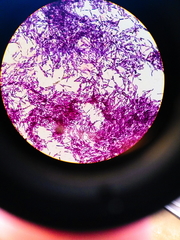 Bacillus thuringiensise2biocontrol_agent
- Outcome
- reductione2
- Direction
- reductione2
- Value
- 80.5%e2
- Setting
- greenhouse experimente0
Not reportedComparator
Organisms pictured · Representative pictures of the matched species, not figures from the paper.
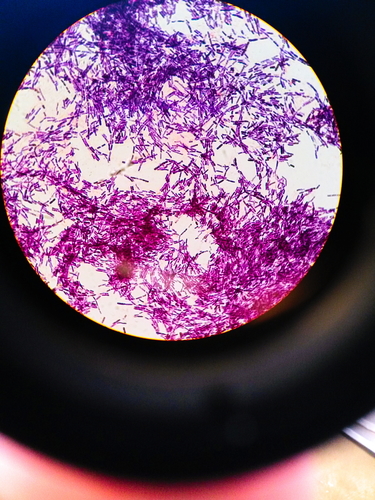
Verbatim
e0“A greenhouse experiment was conducted to evaluate the efficacy of certain microbial agents against Meloidogyne incognita infesting tomato plants (cv. super strain B)”
e2“followed by those with B. subtilis and B. thuringiensis with 82.6 and 80.5% reduction, respectively”
Claim · model-written summary
Paecilomyces lilacinus increased tomato shoot length by 229.0%.
- Taxon
- tomatoSolanum lycopersicume0
- Treatment
- P. lilacinuse3
- Interactor
- P. lilacinusPurpureocillium lilacinume3biocontrol_agent
- Outcome
- shoot lengthe3
- Direction
- increasede3
- Value
- 229.0%e3
Not reportedComparator
Organisms pictured · Representative pictures of the matched species, not figures from the paper.
Verbatim
e0“A greenhouse experiment was conducted to evaluate the efficacy of certain microbial agents against Meloidogyne incognita infesting tomato plants (cv. super strain B)”
e3“P. lilacinus increased the shoot length and fresh weight of the root system by 229.0% and 476.46%”
Claim · model-written summary
Paecilomyces lilacinus increased root fresh weight by 476.46%.
- Taxon
- tomatoSolanum lycopersicume0
- Treatment
- P. lilacinuse3
- Interactor
- P. lilacinusPurpureocillium lilacinume3biocontrol_agent
- Outcome
- fresh weight of the root systeme3
- Direction
- increasede3
- Value
- 476.46%e3
Not reportedComparator
Organisms pictured · Representative pictures of the matched species, not figures from the paper.
Verbatim
e0“A greenhouse experiment was conducted to evaluate the efficacy of certain microbial agents against Meloidogyne incognita infesting tomato plants (cv. super strain B)”
e3“P. lilacinus increased the shoot length and fresh weight of the root system by 229.0% and 476.46%”
Claim · model-written summary
Oxamyl was the most effective treatment in reducing root galls and egg masses of the nematode.
- Taxon
- tomatoSolanum lycopersicume0
- Treatment
- Oxamyle4
- Interactor
- Meloidogyne incognitaMeloidogyne incognitae0pest
- Outcome
- root galls and egg massese4
- Direction
- reducinge4
Not reportedComparator
Organisms pictured · Representative pictures of the matched species, not figures from the paper.
Verbatim
e0“A greenhouse experiment was conducted to evaluate the efficacy of certain microbial agents against Meloidogyne incognita infesting tomato plants (cv. super strain B)”
e4“The most effective treatment in reducing root galls and egg masses of the nematode was Oxamyl”
Claim · model-written summary
Bacillus thuringiensis increased tomato shoot weight and root length and was the most effective treatment.
- Taxon
- tomatoSolanum lycopersicume0
- Treatment
- Bacillus thuringiensise5
- Interactor
- Bacillus thuringiensisBacillus thuringiensise5biocontrol_agent
- Outcome
- shoot weight and root lengthe5
- Direction
- increasede5
Not reportedComparator
Organisms pictured · Representative pictures of the matched species, not figures from the paper.
Verbatim
e0“A greenhouse experiment was conducted to evaluate the efficacy of certain microbial agents against Meloidogyne incognita infesting tomato plants (cv. super strain B)”
e5“Bacillus thuringiensis increased shoot weight and root length and was the most effective treatment”
Claim · model-written summary
Glomus macrocarpium was the least effective treatment in reducing galls and egg masses.
- Taxon
- tomatoSolanum lycopersicume0
- Treatment
- Glomus macrocarpiume6
- Interactor
- Meloidogyne incognitaMeloidogyne incognitae0pest
- Second interactor
- Glomus macrocarpiume6symbiont
- Outcome
- galls and egg massese6
- Direction
- least effectivee6
Not reportedComparator
Organisms pictured · Representative pictures of the matched species, not figures from the paper.
Verbatim
e0“A greenhouse experiment was conducted to evaluate the efficacy of certain microbial agents against Meloidogyne incognita infesting tomato plants (cv. super strain B)”
e6“Glomus macrocarpium was the least effective treatment as galls and egg masses”
Claim · model-written summary
Glomus macrocarpium produced the lowest increase in tomato root length.
- Taxon
- tomatoSolanum lycopersicume0
- Treatment
- Glomus macrocarpiume7
- Interactor
- Glomus macrocarpiume7symbiont
- Outcome
- root lengthe7
- Direction
- lowest increasee7
Not reportedComparator
Organisms pictured · Representative pictures of the matched species, not figures from the paper.
Verbatim
e0“A greenhouse experiment was conducted to evaluate the efficacy of certain microbial agents against Meloidogyne incognita infesting tomato plants (cv. super strain B)”
e7“Glomus macrocarpium produced the lowest increase in root length and B. subtilis the lowest increase in root fresh and dry weights”
Claim · model-written summary
Bacillus subtilis produced the lowest increase in tomato root fresh and dry weights.
- Taxon
- tomatoSolanum lycopersicume0
- Treatment
- B. subtilise7
- Interactor
- B. subtilisBacillus subtilise7biocontrol_agent
- Outcome
- root fresh and dry weightse7
- Direction
- lowest increasee7
Not reportedComparator
Organisms pictured · Representative pictures of the matched species, not figures from the paper.
Verbatim
e0“A greenhouse experiment was conducted to evaluate the efficacy of certain microbial agents against Meloidogyne incognita infesting tomato plants (cv. super strain B)”
e7“Glomus macrocarpium produced the lowest increase in root length and B. subtilis the lowest increase in root fresh and dry weights”
The same questions in other papers
Glomus · Meloidogyne incognita · Solanum lycopersicum (tomato)Positive and negative results
1 paper in the same direction as this paper · 1 in the opposite direction
- positive
- no effect
Bacillus thuringiensis · growth · Solanum lycopersicum (tomato)Positive and negative results
4 papers in the same direction as this paper · 1 in the opposite direction
- no effect
- positive
- positive
2 papers more in this group
See all 6 papers →Glomus · growth · Solanum lycopersicum (tomato)Positive and negative results
1 paper in the same direction as this paper · 6 in the opposite direction
- positive
- positive
- positive
4 papers more in this group
See all 8 papers →Bacillus subtilis · Meloidogyne incognita · Solanum lycopersicum (tomato)Positive and negative results
9 papers in the same direction as this paper · 1 in the opposite direction
- negative
- positive
- positive
7 papers more in this group
See all 11 papers →oxamyl · Meloidogyne incognita · Solanum lycopersicum (tomato)Positive and negative results
18 papers in the same direction as this paper · 1 in the opposite direction
- positive
- no effect
- positive
16 papers more in this group
See all 20 papers →Bacillus subtilis · growth · Solanum lycopersicum (tomato)Positive and negative results
2 papers in the same direction as this paper · 31 in the opposite direction
- positive
- positive
- positive
30 papers more in this group
See all 34 papers →Bacillus thuringiensis · Meloidogyne incognita · Solanum lycopersicum (tomato)Results agree
4 papers in the same direction as this paper
- positive
- positive
- positive
1 paper more in this group
See all 5 papers →Purpureocillium lilacinum · growth · Solanum lycopersicum (tomato)Results agree
15 papers in the same direction as this paper
- positive
- positive
- positive
12 papers more in this group
See all 16 papers →8 of 9 groups shown: named compounds and organisms first, then groups whose results differ (checked claim by claim), then those with positive and negative results, then the smaller groups.
Claims are grouped by organism, treatment and what was measured or targeted. A paper counts as positive when any of its claims in the group is positive.