Abstract
The field experiments were conducted at ICAR Research Complex for North Eastern Hill Region, Umiam, Meghalaya, India during 2011-2012 to evaluate some biopesticides and newly introduced insecticides against shoot and fruit borer of brinjal. The experiments were laid out in Randomized Block Design (RBD) with three replications. The treatments viz., azadirachtin 1 EC (2 ml l -1 ), karanjin 2 EC (2 ml l -1 ), anonin 1 EC (2 ml l -1 ), Bacillus thuringiensis (Bt.) (2 g l -1 ), emamectin benzoate 5 SG (0.4 ml l -1 ), flubendiamide 480 SC (0.3 ml l -1 ), chlorantraniliprole 18.5 SC (0.4 ml l -1 ), chlorpyriphos 20 EC (2 ml l -1 ) were applied thrice at fifteen days interval starting from initiation of shoot and fruit borer infestation. Results showed that chlorantraniliprole (2.46%) was the best treatment in reducing the shoot infestation (81.88% reduction) which was statistically at par with flubendiamide (3.08%) and emamectin benzoate (3.76%) with 77.37% and 71.95% reduction over untreated control, respectively. The overall mean fruit infestation were also minimum in chlorantraniliprole (5.76%) and flubendiamide (5.93%) treated plots with 79.45% and 78.84% reduction over untreated control plots (28.03%), respectively. Pooled data of two years experimental results indicated that highest marketable yield was recorded in chlorantraniliprole treated plots (155.01 q ha -1 ) followed by flubendiamide (149.50 q ha -1 ), emamectin benzoate (134.24 q ha -1 ) and chlorpyriphos (125.43 q ha -1 ). Among bio-pesticides, highest mean marketable yield was recorded in Bacillus thuringiensis treated plots (114.45 q ha -1 ) followed by azadirachtin (101.11 q ha -1 ).
Abstract from the paper’s OpenAlex record, shown for indexing and research. Copyright remains with the authors or the publisher. Read at the source ↗
The text the model read, with the source record’s inline markup (italics, sub- and superscripts) rendered and its character entities decoded; quote offsets refer to the raw text.
Claims 7
Claim · model-written summary
Chlorantraniliprole reduced shoot infestation by 81.88%.
- Taxon
- brinjal
 Solanum melongenat0
- Treatment
- chlorantraniliprolee0
- Interactor
- Leucinodes orbonalis Guenee
 Leucinodes orbonalist0pest
- Outcome
- shoot infestatione0
- Direction
- reducinge0
- Value
- 81.88% reductione0
Not reportedComparator
Organisms pictured · Representative pictures of the matched species, not figures from the paper.


Verbatim
e0“chlorantraniliprole (2.46%) was the best treatment in reducing the shoot infestation (81.88% reduction)”
t0“Brinjal Shoot and Fruit Borer (Leucinodes orbonalis Guenee)”
Claim · model-written summary
Flubendiamide reduced shoot infestation by 77.37%.
- Taxon
- BrinjalSolanum melongenat0
- Treatment
- flubendiamidee0
- Interactor
- Leucinodes orbonalis GueneeLeucinodes orbonalist0pest
- Outcome
- shoot infestatione0
- Direction
- reductione0
- Value
- 77.37%e0
- Comparator
- untreated controle0
Organisms pictured · Representative pictures of the matched species, not figures from the paper.
Verbatim
e0“chlorantraniliprole (2.46%) was the best treatment in reducing the shoot infestation (81.88% reduction) which was statistically at par with flubendiamide (3.08%) and emamectin benzoate (3.76%) with 77.37% and 71.95% reduction over untreated control, respectively.”
t0“Brinjal Shoot and Fruit Borer (Leucinodes orbonalis Guenee)”
Claim · model-written summary
Emamectin benzoate reduced shoot infestation by 71.95%.
- Taxon
- BrinjalSolanum melongenat0
- Treatment
- emamectin benzoatee0
- Interactor
- Leucinodes orbonalis GueneeLeucinodes orbonalist0pest
- Outcome
- shoot infestatione0
- Direction
- reductione0
- Value
- 71.95%e0
- Comparator
- untreated controle0
Organisms pictured · Representative pictures of the matched species, not figures from the paper.
Verbatim
e0“chlorantraniliprole (2.46%) was the best treatment in reducing the shoot infestation (81.88% reduction) which was statistically at par with flubendiamide (3.08%) and emamectin benzoate (3.76%) with 77.37% and 71.95% reduction over untreated control, respectively.”
t0“Brinjal Shoot and Fruit Borer (Leucinodes orbonalis Guenee)”
Claim · model-written summary
Chlorantraniliprole reduced fruit infestation by 79.45%.
- Taxon
- BrinjalSolanum melongenat0
- Treatment
- chlorantraniliprolee0
- Interactor
- Leucinodes orbonalis GueneeLeucinodes orbonalist0pest
- Outcome
- fruit infestatione0
- Direction
- reductione0
- Value
- 79.45%e0
- Comparator
- untreated control plotse0
Organisms pictured · Representative pictures of the matched species, not figures from the paper.
Verbatim
e0“The overall mean fruit infestation were also minimum in chlorantraniliprole (5.76%) and flubendiamide (5.93%) treated plots with 79.45% and 78.84% reduction over untreated control plots (28.03%), respectively.”
t0“Brinjal Shoot and Fruit Borer (Leucinodes orbonalis Guenee)”
Claim · model-written summary
Flubendiamide reduced fruit infestation by 78.84%.
- Taxon
- BrinjalSolanum melongenat0
- Treatment
- flubendiamidee0
- Interactor
- Leucinodes orbonalis GueneeLeucinodes orbonalist0pest
- Outcome
- fruit infestatione0
- Direction
- reductione0
- Value
- 78.84%e0
- Comparator
- untreated control plotse0
Organisms pictured · Representative pictures of the matched species, not figures from the paper.
Verbatim
e0“The overall mean fruit infestation were also minimum in chlorantraniliprole (5.76%) and flubendiamide (5.93%) treated plots with 79.45% and 78.84% reduction over untreated control plots (28.03%), respectively.”
t0“Brinjal Shoot and Fruit Borer (Leucinodes orbonalis Guenee)”
Claim · model-written summary
Chlorantraniliprole yielded 155.01 q ha -1 marketable brinjal.
- Taxon
- brinjalSolanum melongenat0
- Treatment
- chlorantraniliprolee0
- Outcome
- marketable yielde0
- Direction
- higheste0
- Value
- 155.01 q ha -1e0
Not reportedComparator
Organisms pictured · Representative pictures of the matched species, not figures from the paper.
Verbatim
e0“highest marketable yield was recorded in chlorantraniliprole treated plots (155.01 q ha -1 )”
t0“brinjal”
Claim · model-written summary
Bacillus thuringiensis yielded 114.45 q ha -1 marketable brinjal.
- Taxon
- brinjalSolanum melongenat0
- Treatment
- Bacillus thuringiensise0
- Interactor
- Bacillus thuringiensis
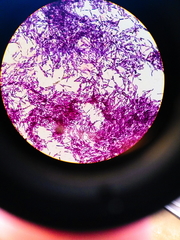 Bacillus thuringiensise0biocontrol_agent
- Outcome
- marketable yielde0
- Direction
- higheste0
- Value
- 114.45 q ha -1e0
Not reportedComparator
Organisms pictured · Representative pictures of the matched species, not figures from the paper.
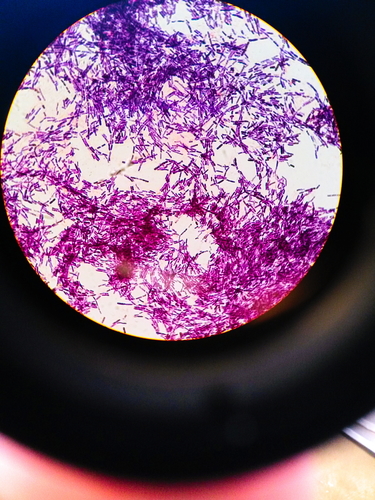
Verbatim
e0“highest mean marketable yield was recorded in Bacillus thuringiensis treated plots (114.45 q ha -1 )”
t0“brinjal”
The same questions in other papers
flubendiamide · Leucinodes orbonalis · Solanum melongena (eggplant)Positive and negative results
17 papers in the same direction as this paper · 1 in the opposite direction
- negative
- positive
- positive
15 papers more in this group
See all 19 papers →chlorantraniliprole · Leucinodes orbonalis · Solanum melongena (eggplant)Positive and negative results
30 papers in the same direction as this paper · 1 in the opposite direction
- positive
- negative
- positive
28 papers more in this group
See all 32 papers →chlorantraniliprole · quality: postharvest · Solanum melongena (eggplant)Results agree
2 papers in the same direction as this paper
- positive
- positive
emamectin benzoate · Leucinodes orbonalis · Solanum melongena (eggplant)Results agree
44 papers in the same direction as this paper
- positive
- positive
- positive
41 papers more in this group
See all 45 papers →Claims are grouped by organism, treatment and what was measured or targeted. A paper counts as positive when any of its claims in the group is positive.