Abstract
Ten insecticides were evaluated against majorsucking pests infesting the Bt cotton. Among them five were ofbio-pesticides (Neem oil 1.0 %, NSKE (Neem seed kernel extract) 5.0 %,Azadirachtin 0.0009 %, Verticillium lecanii (Zimmermann) @ 2.5 kg/ha andBeauveria bassiana (Balsamo.) @ 2.5 kg/ha) and five were chemicalpesticides (Acetamiprid 0.004 %, Thiamethoxam 0.01 %, Imidacloprid 0.0089 %,Dinotefuran 0.008 % and Flonicamid 0.02 %) at KVK farm, JAU, Targhadia (Rajkot)during Kharif, 2012-13. The result on the field efficacy of newerinsecticides against major sucking pests of Bt cotton (G Cot Hy 6 BG II)showed that the chemical pesticides caused higher mortality, whilebio-pesticides caused moderate to lower mortality of sucking pests. Among theinsecticidal treatments, flonicamid 0.02 per cent was found more effectiveagainst all major sucking pests, acetamiprid 0.004 per cent against aphid andwhitefly, dinotefuran 0.008 per cent and imidacloprid 0.0089 per cent againstjassid and thiamethoxam 0.01 per cent were found effective against thrips on Btcotton. Among the bio-pesticides, neem oil 1.0 per cent, V. lecanii @ 2.5kg/ha and azadirachtin 0.0009 per cent were found moderate effective againstmajor sucking pests of Bt cotton. In case of toxicity of insecticides onpredators (Coccinellids and Chrysoperla) of sucking pests, all thebio-pesticides were found safer to predators, while chemical pesticides werefound moderate to higher toxic to predators on Bt cotton.
Abstract from the paper’s OpenAlex record, shown for indexing and research. Copyright remains with the authors or the publisher. Read at the source ↗
The text the model read, with the source record’s inline markup (italics, sub- and superscripts) rendered and its character entities decoded; quote offsets refer to the raw text.
Claims 10
Claim · model-written summary
Chemical pesticides caused higher sucking-pest mortality than biopesticides in Bt cotton.
Verbatim
e0“chemical pesticides caused higher mortality, whilebio-pesticides caused moderate to lower mortality of sucking pests”
t0“BT COTTON”
Claim · model-written summary
Flonicamid was more effective against all major sucking pests.
- Taxon
- BT COTTONt0
- Treatment
- flonicamid 0.02 per cente0
- Interactor
- sucking pestse0pest
- Outcome
- all major sucking pestse0
- Direction
- more effectivee0
Not reportedComparator
Verbatim
e0“flonicamid 0.02 per cent was found more effectiveagainst all major sucking pests”
t0“BT COTTON”
Claim · model-written summary
Acetamiprid was effective against aphid and whitefly.
- Taxon
- BT COTTONt0
- Treatment
- acetamiprid 0.004 per cente0
- Interactor
- aphide0pest
- Second interactor
- whiteflye0pest
- Outcome
- aphid andwhiteflye0
Not reportedComparatorDirection
Verbatim
e0“acetamiprid 0.004 per cent against aphid andwhitefly”
t0“BT COTTON”
Claim · model-written summary
Dinotefuran was effective against jassid.
Not reportedComparatorDirection
Verbatim
e0“dinotefuran 0.008 per cent and imidacloprid 0.0089 per cent againstjassid”
t0“BT COTTON”
Claim · model-written summary
Imidacloprid was effective against jassid.
Not reportedComparatorDirection
Verbatim
e0“imidacloprid 0.0089 per cent againstjassid”
t0“BT COTTON”
Claim · model-written summary
Thiamethoxam was effective against thrips.
 Thrips
Not reportedComparator
Organisms pictured · Representative pictures of the matched species, not figures from the paper.

Verbatim
e0“thiamethoxam 0.01 per cent were found effective against thrips”
t0“BT COTTON”
Claim · model-written summary
Neem oil had moderate efficacy against major sucking pests.
- Taxon
- Bt cottone0
- Treatment
- neem oil 1.0 per cente0
- Interactor
- sucking pestse0pest
- Outcome
- sucking pestse0
- Direction
- moderate effectivee0
Not reportedComparator
Verbatim
e0“neem oil 1.0 per cent, V. lecanii @ 2.5kg/ha and azadirachtin 0.0009 per cent were found moderate effective againstmajor sucking pests of Bt cotton”
Claim · model-written summary
V. lecanii had moderate efficacy against major sucking pests.
- Taxon
- Bt cottone0
- Treatment
- V. lecanii @ 2.5kg/hae0
- Interactor
- sucking pestse0pest
- Second interactor
- V. lecanii
 Akanthomyces lecaniie0biocontrol_agent
- Outcome
- sucking pestse0
- Direction
- moderate effectivee0
Not reportedComparator
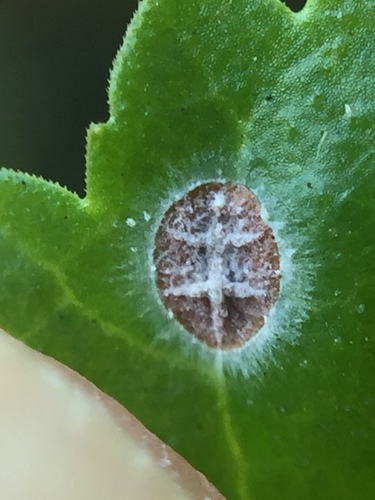
Organisms pictured · Representative pictures of the matched species, not figures from the paper.
Verbatim
e0“V. lecanii @ 2.5kg/ha and azadirachtin 0.0009 per cent were found moderate effective againstmajor sucking pests of Bt cotton”
Claim · model-written summary
Azadirachtin had moderate efficacy against major sucking pests.
- Taxon
- Bt cottone0
- Treatment
- azadirachtin 0.0009 per cente0
- Interactor
- sucking pestse0pest
- Outcome
- sucking pestse0
- Direction
- moderate effectivee0
Not reportedComparator
Verbatim
e0“azadirachtin 0.0009 per cent were found moderate effective againstmajor sucking pests of Bt cotton”
Claim · model-written summary
Biopesticides were safer to predators than chemical pesticides.
Verbatim
e0“all thebio-pesticides were found safer to predators, while chemical pesticides werefound moderate to higher toxic to predators on Bt cotton”
The same questions in other papers
flonicamid · pest · Gossypium hirsutum (cotton)Positive and negative results
14 papers in the same direction as this paper · 1 in the opposite direction
- negative
- positive
- positive
12 papers more in this group
See all 16 papers →azadirachtin · pest · Gossypium hirsutum (cotton)Results agree
3 papers in the same direction as this paper
- positive
- positive
- positive
Akanthomyces lecanii · pest · Gossypium hirsutum (cotton)Results agree
5 papers in the same direction as this paper
- positive
- positive
- positive
2 papers more in this group
See all 6 papers →thiamethoxam · Thrips · Gossypium hirsutum (cotton)Results agree
6 papers in the same direction as this paper
- positive
- positive
- positive
3 papers more in this group
See all 7 papers →insecticide · pest · Gossypium hirsutum (cotton)Results differ
50 papers in the same direction as this paper · 23 in the opposite direction · 2 reporting no difference from an alternative
- negative
- negative
- negative
72 papers more in this group
See all 76 papers →biocontrol · ecology: diversity · Gossypium hirsutum (cotton)Positive and negative results
2 papers in the same direction as this paper · 1 in the opposite direction
- no effect
- positive
- positive
botanical · pest · Gossypium hirsutum (cotton)Positive and negative results
27 papers in the same direction as this paper · 3 in the opposite direction
- positive
- negative
- negative
27 papers more in this group
See all 31 papers →Claims are grouped by organism, treatment and what was measured or targeted. A paper counts as positive when any of its claims in the group is positive.