Abstract
Eight insecticidal treatments (including biopesticides, IGR, IGR and insecticides ready combi products) were evaluated against aphids (Aphis gossypii Glover) in okra. The results revealed that buprofezin 15% + acephate 35% WP proved effective in minimizing the A. gossypii. However, it was found at par with pyriproxyfen 5% + fenpropathrin 15% EC. Among biopesticides, azadirachtin 1% EC (10000 ppm) and Lecanicillium lecanii 1.15 % WP were effective at reducing aphid population and better option for managing pest in organic farming. No deleterious effect of these tested treatments was observed on the natural enemies. Maximum okra pod yield was obtained with buprofezin 15% + acephate 35% WP (77.58 q/ha) and it proved to be the economically viable.
Abstract from the paper’s OpenAlex record, shown for indexing and research. Copyright remains with the authors or the publisher. Read at the source ↗
The text the model read, with the source record’s inline markup (italics, sub- and superscripts) rendered and its character entities decoded; quote offsets refer to the raw text.
Claims 7
Claim · model-written summary
Buprofezin plus acephate minimized aphids in okra.
- Taxon
- okra
 Abelmoschus esculentust0
- Treatment
- buprofezin 15% + acephate 35% WPe0
- Interactor
- A. gossypii
 Aphis gossypiie0pest
- Outcome
- A. gossypiie0
- Direction
- minimizinge0
Not reportedComparator
Organisms pictured · Representative pictures of the matched species, not figures from the paper.


Verbatim
e0“buprofezin 15% + acephate 35% WP proved effective in minimizing the A. gossypii”
t0“Aphid in Okra”
Claim · model-written summary
Pyriproxyfen plus fenpropathrin was at par with buprofezin plus acephate for aphid control.
- Taxon
- okraAbelmoschus esculentust0
- Treatment
- pyriproxyfen 5% + fenpropathrin 15% ECe0
- Outcome
- at pare0
- Direction
- at pare0
Not reportedComparator
Organisms pictured · Representative pictures of the matched species, not figures from the paper.
Verbatim
e0“it was found at par with pyriproxyfen 5% + fenpropathrin 15% EC”
t0“Aphid in Okra”
Claim · model-written summary
Azadirachtin reduced aphid populations in okra.
- Taxon
- okraAbelmoschus esculentust0
- Treatment
- azadirachtin 1% EC (10000 ppm)e0
- Interactor
- aphide0pest
- Outcome
- aphid populatione0
- Direction
- reducinge0
Not reportedComparator
Organisms pictured · Representative pictures of the matched species, not figures from the paper.
Verbatim
e0“azadirachtin 1% EC (10000 ppm) and Lecanicillium lecanii 1.15 % WP were effective at reducing aphid population”
t0“Aphid in Okra”
Claim · model-written summary
Lecanicillium lecanii reduced aphid populations in okra.
- Taxon
- okraAbelmoschus esculentust0
- Treatment
- Lecanicillium lecanii 1.15 % WPe0
- Interactor
- aphide0pest
- Second interactor
- Lecanicillium lecanii
 Akanthomyces lecaniie0biocontrol_agent
- Outcome
- aphid populatione0
- Direction
- reducinge0
Not reportedComparator
Organisms pictured · Representative pictures of the matched species, not figures from the paper.
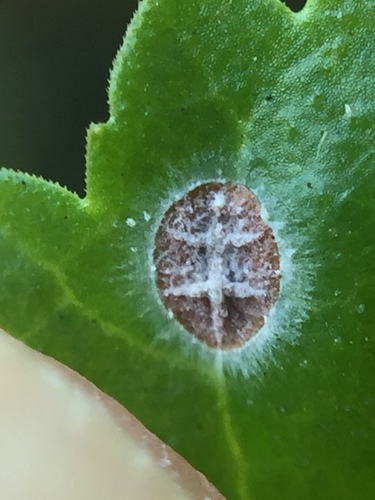
Verbatim
e0“azadirachtin 1% EC (10000 ppm) and Lecanicillium lecanii 1.15 % WP were effective at reducing aphid population”
t0“Aphid in Okra”
Claim · model-written summary
Tested treatments showed no deleterious effect on natural enemies in okra.
- Taxon
- okraAbelmoschus esculentust0
- Treatment
- these tested treatmentse0
- Outcome
- No deleterious effecte0
Organisms pictured · Representative pictures of the matched species, not figures from the paper.
Verbatim
e0“No deleterious effect of these tested treatments was observed on the natural enemies”
t0“Aphid in Okra”
Claim · model-written summary
Buprofezin plus acephate produced the maximum okra pod yield of 77.58 q/ha.
- Taxon
- okraAbelmoschus esculentuse0
- Treatment
- buprofezin 15% + acephate 35% WPe0
- Outcome
- okra pod yielde0
- Direction
- Maximume0
- Value
- 77.58 q/hae0
Not reportedComparator
Organisms pictured · Representative pictures of the matched species, not figures from the paper.
Verbatim
e0“Maximum okra pod yield was obtained with buprofezin 15% + acephate 35% WP (77.58 q/ha)”
Claim · model-written summary
Buprofezin plus acephate was economically viable for okra.
- Taxon
- okraAbelmoschus esculentust0
- Treatment
- buprofezin 15% + acephate 35% WPe0
- Outcome
- economically viablee0
Organisms pictured · Representative pictures of the matched species, not figures from the paper.
Verbatim
e0“buprofezin 15% + acephate 35% WP (77.58 q/ha) and it proved to be the economically viable”
t0“Aphid in Okra”
The same questions in other papers
buprofezin · yield · Abelmoschus esculentus (okra)Results agree
1 paper in the same direction as this paper
- positive
buprofezin · Aphis gossypii · Abelmoschus esculentus (okra)Results agree
1 paper in the same direction as this paper
- positive
acephate · yield · Abelmoschus esculentus (okra)Results agree
1 paper in the same direction as this paper
- positive
Akanthomyces lecanii · pest · Abelmoschus esculentus (okra)Results agree
2 papers in the same direction as this paper
- positive
- positive
azadirachtin · pest · Abelmoschus esculentus (okra)Results agree
9 papers in the same direction as this paper
- positive
- positive
- positive
6 papers more in this group
See all 10 papers →Claims are grouped by organism, treatment and what was measured or targeted. A paper counts as positive when any of its claims in the group is positive.