Abstract
Neem oil (NO) 3% and neem seed kernel extract (NSKE) 5% high volume applications were superior to monocrotophos, neem cake extract (NCE) 10% and neem coated urea (NCU) treatments in suppressing brown planthopper (BPH) Nilaparvata lugens (Stal) population 3 days after spraying (DAS) in Kharif season. NO 3% and NSKE 5% also effectively checked leaf folder, Cnaphalocrocis medinalis (Gunee), upto 14 DAS and were on par with monocrotophos 0.04%. Ear head bug Leptocorisa spp population remained very low in all the plots treated with neem products. There was a better recolonisation of the predatory wolf spider, Lycosa pseudoannulata in neem treatments. The yield level in these treatments was comparable to that of insecticide treatment. Yellow stem borer, Scirpophaga incetulas (Walker) incidence was not reduced by neem products in the rabi season.
Abstract from the paper’s OpenAlex record; open copy licensed cc-by. Read at the source ↗
The text the model read, with the source record’s inline markup (italics, sub- and superscripts) rendered and its character entities decoded; quote offsets refer to the raw text.
Claims 8
Claim · model-written summary
Neem oil 3% suppressed brown planthopper better than comparison treatments at 3 DAS.
- Taxon
- RICE
 Oryza sativat0
- Treatment
- Neem oil (NO) 3%e0
- Interactor
- Nilaparvata lugens (Stal)
 Nilaparvata lugense0pest
- Outcome
- brown planthopper (BPH) Nilaparvata lugens (Stal) populatione0
- Direction
- superiore0
- Comparator
- monocrotophos, neem cake extract (NCE) 10% and neem coated urea (NCU) treatmentse0
Organisms pictured · Representative pictures of the matched species, not figures from the paper.


Verbatim
e0“Neem oil (NO) 3% and neem seed kernel extract (NSKE) 5% high volume applications were superior to monocrotophos, neem cake extract (NCE) 10% and neem coated urea (NCU) treatments in suppressing brown planthopper (BPH) Nilaparvata lugens (Stal) population 3 days after spraying (DAS) in Kharif season.”
t0“RICE”
Claim · model-written summary
Neem seed kernel extract 5% suppressed brown planthopper better than comparison treatments at 3 DAS.
- Taxon
- RICEOryza sativat0
- Treatment
- neem seed kernel extract (NSKE) 5%e0
- Interactor
- Nilaparvata lugens (Stal)Nilaparvata lugense0pest
- Outcome
- brown planthopper (BPH) Nilaparvata lugens (Stal) populatione0
- Direction
- superiore0
- Comparator
- monocrotophos, neem cake extract (NCE) 10% and neem coated urea (NCU) treatmentse0
Organisms pictured · Representative pictures of the matched species, not figures from the paper.
Verbatim
e0“Neem oil (NO) 3% and neem seed kernel extract (NSKE) 5% high volume applications were superior to monocrotophos, neem cake extract (NCE) 10% and neem coated urea (NCU) treatments in suppressing brown planthopper (BPH) Nilaparvata lugens (Stal) population 3 days after spraying (DAS) in Kharif season.”
t0“RICE”
Claim · model-written summary
Neem oil 3% checked leaf folder to 14 DAS on par with monocrotophos.
- Taxon
- RICEOryza sativat0
- Treatment
- NO 3%e0
- Interactor
- Cnaphalocrocis medinalis (Gunee)
 Cnaphalocrocis medinalise0pest
- Outcome
- leaf folder, Cnaphalocrocis medinalis (Gunee)e0
- Direction
- checkede0
- Comparator
- monocrotophos 0.04%e0
Organisms pictured · Representative pictures of the matched species, not figures from the paper.

Verbatim
e0“NO 3% and NSKE 5% also effectively checked leaf folder, Cnaphalocrocis medinalis (Gunee), upto 14 DAS and were on par with monocrotophos 0.04%.”
t0“RICE”
Claim · model-written summary
Neem seed kernel extract 5% checked leaf folder to 14 DAS on par with monocrotophos.
- Taxon
- RICEOryza sativat0
- Treatment
- NSKE 5%e0
- Interactor
- Cnaphalocrocis medinalis (Gunee)Cnaphalocrocis medinalise0pest
- Outcome
- leaf folder, Cnaphalocrocis medinalis (Gunee)e0
- Direction
- checkede0
- Comparator
- monocrotophos 0.04%e0
Organisms pictured · Representative pictures of the matched species, not figures from the paper.
Verbatim
e0“NO 3% and NSKE 5% also effectively checked leaf folder, Cnaphalocrocis medinalis (Gunee), upto 14 DAS and were on par with monocrotophos 0.04%.”
t0“RICE”
Claim · model-written summary
Ear head bug population remained very low with neem products.
- Taxon
- RICEOryza sativat0
- Treatment
- neem productse0
- Interactor
- Leptocorisa spp
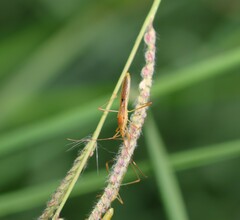 Leptocorisae0pest
- Outcome
- Ear head bug Leptocorisa spp populatione0
- Direction
- very lowe0
Not reportedComparator
Organisms pictured · Representative pictures of the matched species, not figures from the paper.
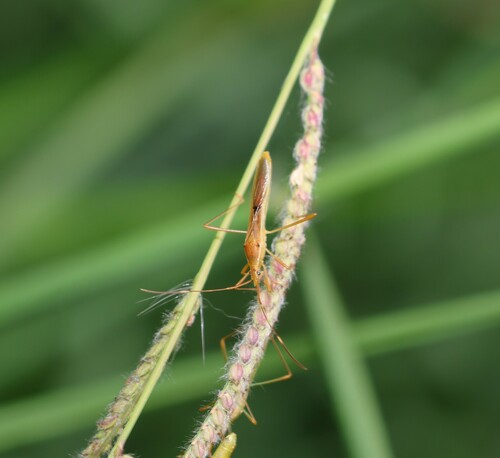
Verbatim
e0“Ear head bug Leptocorisa spp population remained very low in all the plots treated with neem products.”
t0“RICE”
Claim · model-written summary
Neem treatments improved wolf spider recolonisation.
- Taxon
- RICEOryza sativat0
- Treatment
- neem treatmentse0
- Interactor
- Lycosa pseudoannulatae0biocontrol_agent
- Outcome
- recolonisation of the predatory wolf spider, Lycosa pseudoannulatae0
- Direction
- bettere0
Not reportedComparator
Organisms pictured · Representative pictures of the matched species, not figures from the paper.
Verbatim
e0“There was a better recolonisation of the predatory wolf spider, Lycosa pseudoannulata in neem treatments.”
t0“RICE”
Claim · model-written summary
Yield with neem treatments was comparable to insecticide treatment.
- Taxon
- RICEOryza sativat0
- Treatment
- these treatmentse0
- Outcome
- yield levele0
- Direction
- comparablee0
- Comparator
- insecticide treatmente0
Organisms pictured · Representative pictures of the matched species, not figures from the paper.
Verbatim
e0“The yield level in these treatments was comparable to that of insecticide treatment.”
t0“RICE”
Claim · model-written summary
Neem products did not reduce yellow stem borer incidence in rabi.
- Taxon
- RICEOryza sativat0
- Treatment
- neem productse0
- Interactor
- Scirpophaga incetulas (Walker)e0pest
- Outcome
- Yellow stem borer, Scirpophaga incetulas (Walker) incidencee0
- Direction
- not reducede0
Not reportedComparator
Organisms pictured · Representative pictures of the matched species, not figures from the paper.
Verbatim
e0“Yellow stem borer, Scirpophaga incetulas (Walker) incidence was not reduced by neem products in the rabi season.”
t0“RICE”
The same questions in other papers
Azadirachta indica · Nilaparvata lugens · Oryza sativa (rice)Results agree
3 papers in the same direction as this paper
- positive
- positive
- positive
Azadirachta indica · Cnaphalocrocis medinalis · Oryza sativa (rice)Results agree
3 papers in the same direction as this paper
- positive
- positive
- positive
botanical · Nilaparvata lugens · Oryza sativa (rice)Positive and negative results
21 papers in the same direction as this paper · 1 in the opposite direction
- negative
- positive
- positive
19 papers more in this group
See all 23 papers →botanical · organism · Oryza sativa (rice)Positive and negative results
18 papers in the same direction as this paper · 13 in the opposite direction
- no effect
- no effect
- no effect
28 papers more in this group
See all 32 papers →botanical · disease · Oryza sativa (rice)Positive and negative results
7 papers in the same direction as this paper · 74 in the opposite direction
- positive
- positive
- positive
78 papers more in this group
See all 82 papers →botanical · Cnaphalocrocis medinalis · Oryza sativa (rice)Results agree
14 papers in the same direction as this paper
- positive
- positive
- positive
11 papers more in this group
See all 15 papers →Claims are grouped by organism, treatment and what was measured or targeted. A paper counts as positive when any of its claims in the group is positive.