Abstract
Field experiments were carried out at Sidi-Salem district, Kafr El-Sheikh Governorate, Egypt during seasons 2017 and 2018 to evaluate the efficacy of nine chemical compounds viz., thiamethoxam, acetamiprid, flonicamid, emamectin benzoate, methomyl, alpha-cypermethrin, profenofos, Kz-oil, and detergent soap against the cotton mealybug, Phenacoccus solenopsis Tinsley. The side effects of the tested compounds on the associated predatorswere studied as well. The obtained results revealed that profenofos and thiamethoxam were the most affective against cotton mealybug recording 82 and 79.4 % reduction respectively as mean of effect during 10 days experiment period in 2017. In 2018, thiamethoxam was the most potent followed by flonicamid and profenofos causing mean of reduction percentage in mealybug population by 78, 76 and 74, respectively. Whereas, emamectin benzoate, Kz-oil, and detergent soap had the lowest activity against mealybug in both seasons of study. The other tested compounds indicated a moderate toxicity. Concerning the side effects on the associated predators, profenofos, alpha-cypermethrin, thiamethoxam and flonicamid were the most harmful to Chrysoperla carnea Steph., and Coccinella undecimpunctata Linnaeus, recording more than 50 % mean of reduction. On the other hand, emamectin benzoate, Kz-oil, and detergent proved to be the most harmless to both predators having less than 25 % mean of reduction in the predators population.
Abstract from the paper’s OpenAlex record; open copy licensed cc-by. Read at the source ↗
The text the model read, with the source record’s inline markup (italics, sub- and superscripts) rendered and its character entities decoded; quote offsets refer to the raw text.
Claims 16
Claim · model-written summary
Profenofos reduced cotton mealybug by 82 % as mean effect in 2017.
- Taxon
- Cotton
 Gossypium hirsutumt0
- Treatment
- profenofose2
- Interactor
- Phenacoccus solenopsis
 Phenacoccus solenopsise0pest
- Outcome
- cotton mealybuge2
- Direction
- reductione2
- Value
- 82e2
- Qualifier
- during 10 days experiment period in 2017e2
- Setting
- Sidi-Salem district, Kafr El-Sheikh Governorate, Egypte1
Not reportedComparator
Organisms pictured · Representative pictures of the matched species, not figures from the paper.


Verbatim
t0“Cotton Mealybug”
e1“Field experiments were carried out at Sidi-Salem district, Kafr El-Sheikh Governorate, Egypt during seasons 2017 and 2018”
e0“Phenacoccus solenopsis Tinsley”
e2“The obtained results revealed that profenofos and thiamethoxam were the most affective against cotton mealybug recording 82 and 79.4 % reduction respectively as mean of effect during 10 days experiment period in 2017”
Claim · model-written summary
Thiamethoxam reduced cotton mealybug by 79.4 % as mean effect in 2017.
- Taxon
- CottonGossypium hirsutumt0
- Treatment
- thiamethoxame2
- Interactor
- Phenacoccus solenopsisPhenacoccus solenopsise0pest
- Outcome
- cotton mealybuge2
- Direction
- reductione2
- Value
- 79.4 %e2
- Qualifier
- during 10 days experiment period in 2017e2
- Setting
- Sidi-Salem district, Kafr El-Sheikh Governorate, Egypte1
Not reportedComparator
Organisms pictured · Representative pictures of the matched species, not figures from the paper.
Verbatim
t0“Cotton Mealybug”
e1“Field experiments were carried out at Sidi-Salem district, Kafr El-Sheikh Governorate, Egypt during seasons 2017 and 2018”
e0“Phenacoccus solenopsis Tinsley”
e2“The obtained results revealed that profenofos and thiamethoxam were the most affective against cotton mealybug recording 82 and 79.4 % reduction respectively as mean of effect during 10 days experiment period in 2017”
Claim · model-written summary
In 2018 thiamethoxam reduced mealybug population by 78 %.
- Taxon
- CottonGossypium hirsutumt0
- Treatment
- thiamethoxame3
- Interactor
- Phenacoccus solenopsisPhenacoccus solenopsise0pest
- Outcome
- reduction percentage in mealybug populatione3
- Direction
- reductione3
- Value
- 78e3
- Qualifier
- In 2018e3
- Setting
- Sidi-Salem district, Kafr El-Sheikh Governorate, Egypte1
Not reportedComparator
Organisms pictured · Representative pictures of the matched species, not figures from the paper.
Verbatim
t0“Cotton Mealybug”
e1“Field experiments were carried out at Sidi-Salem district, Kafr El-Sheikh Governorate, Egypt during seasons 2017 and 2018”
e0“Phenacoccus solenopsis Tinsley”
e3“In 2018, thiamethoxam was the most potent followed by flonicamid and profenofos causing mean of reduction percentage in mealybug population by 78, 76 and 74, respectively”
Claim · model-written summary
In 2018 flonicamid reduced mealybug population by 76 %.
- Taxon
- CottonGossypium hirsutumt0
- Treatment
- flonicamide3
- Interactor
- Phenacoccus solenopsisPhenacoccus solenopsise0pest
- Outcome
- reduction percentage in mealybug populatione3
- Direction
- reductione3
- Value
- 76e3
- Qualifier
- In 2018e3
- Setting
- Sidi-Salem district, Kafr El-Sheikh Governorate, Egypte1
Not reportedComparator
Organisms pictured · Representative pictures of the matched species, not figures from the paper.
Verbatim
t0“Cotton Mealybug”
e1“Field experiments were carried out at Sidi-Salem district, Kafr El-Sheikh Governorate, Egypt during seasons 2017 and 2018”
e0“Phenacoccus solenopsis Tinsley”
e3“In 2018, thiamethoxam was the most potent followed by flonicamid and profenofos causing mean of reduction percentage in mealybug population by 78, 76 and 74, respectively”
Claim · model-written summary
In 2018 profenofos reduced mealybug population by 74 %.
- Taxon
- CottonGossypium hirsutumt0
- Treatment
- profenofose3
- Interactor
- Phenacoccus solenopsisPhenacoccus solenopsise0pest
- Outcome
- reduction percentage in mealybug populatione3
- Direction
- reductione3
- Value
- 74e3
- Qualifier
- In 2018e3
- Setting
- Sidi-Salem district, Kafr El-Sheikh Governorate, Egypte1
Not reportedComparator
Organisms pictured · Representative pictures of the matched species, not figures from the paper.
Verbatim
t0“Cotton Mealybug”
e1“Field experiments were carried out at Sidi-Salem district, Kafr El-Sheikh Governorate, Egypt during seasons 2017 and 2018”
e0“Phenacoccus solenopsis Tinsley”
e3“In 2018, thiamethoxam was the most potent followed by flonicamid and profenofos causing mean of reduction percentage in mealybug population by 78, 76 and 74, respectively”
Claim · model-written summary
Emamectin benzoate had the lowest activity against mealybug in both seasons.
- Taxon
- CottonGossypium hirsutumt0
- Treatment
- emamectin benzoatee4
- Interactor
- Phenacoccus solenopsisPhenacoccus solenopsise0pest
- Outcome
- activity against mealybuge4
- Direction
- loweste4
- Qualifier
- in both seasons of studye4
- Setting
- Sidi-Salem district, Kafr El-Sheikh Governorate, Egypte1
Not reportedComparator
Organisms pictured · Representative pictures of the matched species, not figures from the paper.
Verbatim
t0“Cotton Mealybug”
e1“Field experiments were carried out at Sidi-Salem district, Kafr El-Sheikh Governorate, Egypt during seasons 2017 and 2018”
e0“Phenacoccus solenopsis Tinsley”
e4“Whereas, emamectin benzoate, Kz-oil, and detergent soap had the lowest activity against mealybug in both seasons of study”
Claim · model-written summary
Kz-oil had the lowest activity against mealybug in both seasons.
- Taxon
- CottonGossypium hirsutumt0
- Treatment
- Kz-oile4
- Interactor
- Phenacoccus solenopsisPhenacoccus solenopsise0pest
- Outcome
- activity against mealybuge4
- Direction
- loweste4
- Qualifier
- in both seasons of studye4
- Setting
- Sidi-Salem district, Kafr El-Sheikh Governorate, Egypte1
Not reportedComparator
Organisms pictured · Representative pictures of the matched species, not figures from the paper.
Verbatim
t0“Cotton Mealybug”
e1“Field experiments were carried out at Sidi-Salem district, Kafr El-Sheikh Governorate, Egypt during seasons 2017 and 2018”
e0“Phenacoccus solenopsis Tinsley”
e4“Whereas, emamectin benzoate, Kz-oil, and detergent soap had the lowest activity against mealybug in both seasons of study”
Claim · model-written summary
Detergent soap had the lowest activity against mealybug in both seasons.
- Taxon
- CottonGossypium hirsutumt0
- Treatment
- detergent soape4
- Interactor
- Phenacoccus solenopsisPhenacoccus solenopsise0pest
- Outcome
- activity against mealybuge4
- Direction
- loweste4
- Qualifier
- in both seasons of studye4
- Setting
- Sidi-Salem district, Kafr El-Sheikh Governorate, Egypte1
Not reportedComparator
Organisms pictured · Representative pictures of the matched species, not figures from the paper.
Verbatim
t0“Cotton Mealybug”
e1“Field experiments were carried out at Sidi-Salem district, Kafr El-Sheikh Governorate, Egypt during seasons 2017 and 2018”
e0“Phenacoccus solenopsis Tinsley”
e4“Whereas, emamectin benzoate, Kz-oil, and detergent soap had the lowest activity against mealybug in both seasons of study”
Claim · model-written summary
The other tested compounds showed a moderate toxicity to cotton mealybug.
- Taxon
- CottonGossypium hirsutumt0
- Treatment
- other tested compoundse5
- Interactor
- Phenacoccus solenopsisPhenacoccus solenopsise0pest
- Outcome
- moderate toxicitye5
- Setting
- Sidi-Salem district, Kafr El-Sheikh Governorate, Egypte1
Organisms pictured · Representative pictures of the matched species, not figures from the paper.
Verbatim
t0“Cotton Mealybug”
e1“Field experiments were carried out at Sidi-Salem district, Kafr El-Sheikh Governorate, Egypt during seasons 2017 and 2018”
e0“Phenacoccus solenopsis Tinsley”
e5“The other tested compounds indicated a moderate toxicity”
Claim · model-written summary
Profenofos was harmful to predators, reducing Chrysoperla carnea and Coccinella undecimpunctata by more than 50 %.
- Taxon
- CottonGossypium hirsutumt0
- Treatment
- profenofose6
- Interactor
- Chrysoperla carnea
 Chrysoperla carneae6biocontrol_agent
- Second interactor
- Coccinella undecimpunctata
Coccinella undecimpunctatae6biocontrol_agent
- Outcome
- mean of reductione6
- Direction
- reductione6
- Value
- more than 50 %e6
- Setting
- Sidi-Salem district, Kafr El-Sheikh Governorate, Egypte1
Not reportedComparator
Organisms pictured · Representative pictures of the matched species, not figures from the paper.

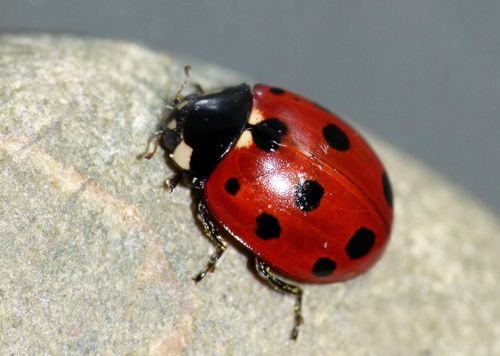
Verbatim
t0“Cotton Mealybug”
e1“Field experiments were carried out at Sidi-Salem district, Kafr El-Sheikh Governorate, Egypt during seasons 2017 and 2018”
e6“profenofos, alpha-cypermethrin, thiamethoxam and flonicamid were the most harmful to Chrysoperla carnea Steph., and Coccinella undecimpunctata Linnaeus, recording more than 50 % mean of reduction”
Claim · model-written summary
Alpha-cypermethrin was harmful to predators, reducing Chrysoperla carnea and Coccinella undecimpunctata by more than 50 %.
- Taxon
- CottonGossypium hirsutumt0
- Treatment
- alpha-cypermethrine6
- Interactor
- Chrysoperla carneaChrysoperla carneae6biocontrol_agent
- Second interactor
- Coccinella undecimpunctata
- Outcome
- mean of reductione6
- Direction
- reductione6
- Value
- more than 50 %e6
- Setting
- Sidi-Salem district, Kafr El-Sheikh Governorate, Egypte1
Not reportedComparator
Organisms pictured · Representative pictures of the matched species, not figures from the paper.
Verbatim
t0“Cotton Mealybug”
e1“Field experiments were carried out at Sidi-Salem district, Kafr El-Sheikh Governorate, Egypt during seasons 2017 and 2018”
e6“profenofos, alpha-cypermethrin, thiamethoxam and flonicamid were the most harmful to Chrysoperla carnea Steph., and Coccinella undecimpunctata Linnaeus, recording more than 50 % mean of reduction”
Claim · model-written summary
Thiamethoxam was harmful to predators, reducing Chrysoperla carnea and Coccinella undecimpunctata by more than 50 %.
- Taxon
- CottonGossypium hirsutumt0
- Treatment
- thiamethoxame6
- Interactor
- Chrysoperla carneaChrysoperla carneae6biocontrol_agent
- Second interactor
- Coccinella undecimpunctata
- Outcome
- mean of reductione6
- Direction
- reductione6
- Value
- more than 50 %e6
- Setting
- Sidi-Salem district, Kafr El-Sheikh Governorate, Egypte1
Not reportedComparator
Organisms pictured · Representative pictures of the matched species, not figures from the paper.
Verbatim
t0“Cotton Mealybug”
e1“Field experiments were carried out at Sidi-Salem district, Kafr El-Sheikh Governorate, Egypt during seasons 2017 and 2018”
e6“profenofos, alpha-cypermethrin, thiamethoxam and flonicamid were the most harmful to Chrysoperla carnea Steph., and Coccinella undecimpunctata Linnaeus, recording more than 50 % mean of reduction”
Claim · model-written summary
Flonicamid was harmful to predators, reducing Chrysoperla carnea and Coccinella undecimpunctata by more than 50 %.
- Taxon
- CottonGossypium hirsutumt0
- Treatment
- flonicamide6
- Interactor
- Chrysoperla carneaChrysoperla carneae6biocontrol_agent
- Second interactor
- Coccinella undecimpunctata
- Outcome
- mean of reductione6
- Direction
- reductione6
- Value
- more than 50 %e6
- Setting
- Sidi-Salem district, Kafr El-Sheikh Governorate, Egypte1
Not reportedComparator
Organisms pictured · Representative pictures of the matched species, not figures from the paper.
Verbatim
t0“Cotton Mealybug”
e1“Field experiments were carried out at Sidi-Salem district, Kafr El-Sheikh Governorate, Egypt during seasons 2017 and 2018”
e6“profenofos, alpha-cypermethrin, thiamethoxam and flonicamid were the most harmful to Chrysoperla carnea Steph., and Coccinella undecimpunctata Linnaeus, recording more than 50 % mean of reduction”
Claim · model-written summary
Emamectin benzoate was the most harmless to predators, with less than 25 % mean reduction in predator population.
- Taxon
- CottonGossypium hirsutumt0
- Treatment
- emamectin benzoatee7
- Outcome
- mean of reduction in the predators populatione7
- Direction
- reductione7
- Value
- less than 25 %e7
- Setting
- Sidi-Salem district, Kafr El-Sheikh Governorate, Egypte1
Not reportedComparator
Organisms pictured · Representative pictures of the matched species, not figures from the paper.
Verbatim
t0“Cotton Mealybug”
e1“Field experiments were carried out at Sidi-Salem district, Kafr El-Sheikh Governorate, Egypt during seasons 2017 and 2018”
e7“emamectin benzoate, Kz-oil, and detergent proved to be the most harmless to both predators having less than 25 % mean of reduction in the predators population”
Claim · model-written summary
Kz-oil was the most harmless to predators, with less than 25 % mean reduction in predator population.
- Taxon
- CottonGossypium hirsutumt0
- Treatment
- Kz-oile7
- Outcome
- mean of reduction in the predators populatione7
- Direction
- reductione7
- Value
- less than 25 %e7
- Setting
- Sidi-Salem district, Kafr El-Sheikh Governorate, Egypte1
Not reportedComparator
Organisms pictured · Representative pictures of the matched species, not figures from the paper.
Verbatim
t0“Cotton Mealybug”
e1“Field experiments were carried out at Sidi-Salem district, Kafr El-Sheikh Governorate, Egypt during seasons 2017 and 2018”
e7“emamectin benzoate, Kz-oil, and detergent proved to be the most harmless to both predators having less than 25 % mean of reduction in the predators population”
Claim · model-written summary
Detergent was the most harmless to predators, with less than 25 % mean reduction in predator population.
- Taxon
- CottonGossypium hirsutumt0
- Treatment
- detergente7
- Outcome
- mean of reduction in the predators populatione7
- Direction
- reductione7
- Value
- less than 25 %e7
- Setting
- Sidi-Salem district, Kafr El-Sheikh Governorate, Egypte1
Not reportedComparator
Organisms pictured · Representative pictures of the matched species, not figures from the paper.
Verbatim
t0“Cotton Mealybug”
e1“Field experiments were carried out at Sidi-Salem district, Kafr El-Sheikh Governorate, Egypt during seasons 2017 and 2018”
e7“emamectin benzoate, Kz-oil, and detergent proved to be the most harmless to both predators having less than 25 % mean of reduction in the predators population”
The same questions in other papers
profenofos · Phenacoccus solenopsis · Gossypium hirsutum (cotton)Results agree
1 paper in the same direction as this paper
- positive
flonicamid · Phenacoccus solenopsis · Gossypium hirsutum (cotton)Results agree
1 paper in the same direction as this paper
- positive
profenofos · Chrysoperla carnea · Gossypium hirsutum (cotton)Results agree
1 paper in the same direction as this paper
- negative
thiamethoxam · Chrysoperla carnea · Gossypium hirsutum (cotton)Results agree
1 paper in the same direction as this paper
- negative
thiamethoxam · Phenacoccus solenopsis · Gossypium hirsutum (cotton)Results agree
2 papers in the same direction as this paper
- positive
- positive
emamectin benzoate · pest · Gossypium hirsutum (cotton)Results agree
2 papers in the same direction as this paper
- positive
- positive
Claims are grouped by organism, treatment and what was measured or targeted. A paper counts as positive when any of its claims in the group is positive.