Abstract
Remediation using plant-microbe interactions is an efficient and cost-effective technique. However, few studies have reported their effects in phosphate mining wastelands. In this study, two native phosphate-solubilizing microorganisms (PSM) (Trichoderma asperellum LZ1 and Serratia sp. LX2) and two native plants (Lolium perenne L. and Lactuca versicolor) were used to remediate excess phosphorus (P) contamination in phosphate mining wasteland soil. In pot experiments, PSM was found to increase P availability by reducing soil pH. The inoculation of strain LZ1 and LX2 significantly increased the total biomass of L. perenne L. by 41.73%, 6.27%, and 49.26%, respectively. Similarly, L. versicolor biomass also increased by 17.51%, 11.67%, and 41.16%, respectively. In addition, the root, shoot length, and chlorophyll content of L. perenne L. and L. versicolor were also significantly higher than those of the treatments inoculated without PSM. In PSM-inoculated soils, the P accumulation in L. perenne L. and L. versicolor was 11.71 and 5.54 mg/pot, respectively. The findings in this study showed that T. asperellum LZ1 and Serratia sp. LX2 could effectively promote the growth of L. perenne L. and L. versicolor, and increase the P accumulation in plants, which would be beneficial to the phytoremediation of excess P contamination in phosphate mining wasteland.
Abstract from the paper’s OpenAlex record, shown for indexing and research. Copyright remains with the authors or the publisher. Read at the source ↗
The text the model read, with the source record’s inline markup (italics, sub- and superscripts) rendered and its character entities decoded; quote offsets refer to the raw text.
Claims 11
Claim · model-written summary
PSM increased soil phosphorus availability by lowering soil pH.
- Taxon
- Lolium perenne L.
 Lolium perennee0
- Treatment
- PSMe1
- Interactor
- PSMe1symbiont
- Outcome
- P availabilitye1
- Direction
- increasee1
Not reportedComparator
Organisms pictured · Representative pictures of the matched species, not figures from the paper.

Verbatim
e0“two native plants (Lolium perenne L. and Lactuca versicolor)”
e1“PSM was found to increase P availability by reducing soil pH”
Claim · model-written summary
LZ1 inoculation significantly increased Lolium perenne biomass by 41.73%.
- Taxon
- L. perenne L.Lolium perennee1
- Treatment
- inoculation of strain LZ1e1
- Interactor
- Trichoderma asperellum LZ1
 Trichoderma asperellume0symbiont
- Outcome
- total biomasse1
- Direction
- increasede1
- Value
- 41.73%e1
Not reportedComparator
Organisms pictured · Representative pictures of the matched species, not figures from the paper.

Verbatim
e0“Trichoderma asperellum LZ1 and Serratia sp. LX2”
e1“The inoculation of strain LZ1 and LX2 significantly increased the total biomass of L. perenne L. by 41.73%, 6.27%, and 49.26%, respectively.”
Claim · model-written summary
LX2 inoculation significantly increased Lolium perenne biomass by 6.27%.
- Taxon
- L. perenne L.Lolium perennee1
- Treatment
- inoculation of strain LZ1 and LX2e1
- Interactor
- Serratia sp. LX2e0symbiont
- Outcome
- total biomasse1
- Direction
- increasede1
- Value
- 6.27%e1
Not reportedComparator
Organisms pictured · Representative pictures of the matched species, not figures from the paper.
Verbatim
e0“Trichoderma asperellum LZ1 and Serratia sp. LX2”
e1“The inoculation of strain LZ1 and LX2 significantly increased the total biomass of L. perenne L. by 41.73%, 6.27%, and 49.26%, respectively.”
Claim · model-written summary
Combined LZ1 and LX2 inoculation was reported to increase Lolium perenne biomass by 49.26%.
- Taxon
- L. perenne L.Lolium perennee1
- Treatment
- inoculation of strain LZ1 and LX2e1
- Interactor
- Trichoderma asperellum LZ1Trichoderma asperellume0symbiont
- Second interactor
- Serratia sp. LX2e0symbiont
- Outcome
- total biomasse1
- Direction
- increasede1
- Value
- 49.26%e1
Not reportedComparator
Organisms pictured · Representative pictures of the matched species, not figures from the paper.
Verbatim
e0“Trichoderma asperellum LZ1 and Serratia sp. LX2”
e1“The inoculation of strain LZ1 and LX2 significantly increased the total biomass of L. perenne L. by 41.73%, 6.27%, and 49.26%, respectively.”
Claim · model-written summary
LZ1 inoculation increased Lactuca versicolor biomass by 17.51%.
- Taxon
- Lactuca versicolor
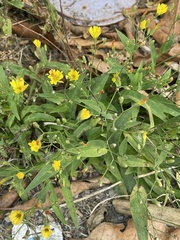 Ixeris chinensis subsp. versicolore0
- Treatment
- LZ1e1
- Interactor
- Trichoderma asperellum LZ1Trichoderma asperellume1symbiont
- Outcome
- L. versicolor biomasse2
- Direction
- increasede2
- Value
- 17.51%e2
Not reportedComparator
Organisms pictured · Representative pictures of the matched species, not figures from the paper.
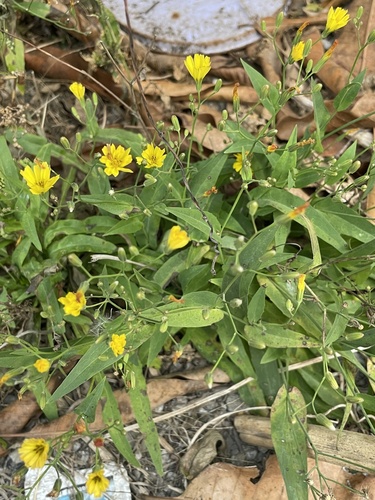
Verbatim
e0“two native plants (Lolium perenne L. and Lactuca versicolor)”
e1“Trichoderma asperellum LZ1 and Serratia sp. LX2”
e2“Similarly, L. versicolor biomass also increased by 17.51%, 11.67%, and 41.16%, respectively.”
Claim · model-written summary
LX2 inoculation increased Lactuca versicolor biomass by 11.67%.
- Taxon
- Lactuca versicolorIxeris chinensis subsp. versicolore0
- Treatment
- LX2e1
- Interactor
- Serratia sp. LX2e1symbiont
- Outcome
- L. versicolor biomasse2
- Direction
- increasede2
- Value
- 11.67%e2
Not reportedComparator
Organisms pictured · Representative pictures of the matched species, not figures from the paper.
Verbatim
e0“two native plants (Lolium perenne L. and Lactuca versicolor)”
e1“Trichoderma asperellum LZ1 and Serratia sp. LX2”
e2“Similarly, L. versicolor biomass also increased by 17.51%, 11.67%, and 41.16%, respectively.”
Claim · model-written summary
Combined microbial inoculation was reported to increase Lactuca versicolor biomass by 41.16%.
- Taxon
- Lactuca versicolorIxeris chinensis subsp. versicolore0
- Treatment
- Trichoderma asperellum LZ1 and Serratia sp. LX2e1
- Interactor
- Trichoderma asperellum LZ1Trichoderma asperellume1symbiont
- Second interactor
- Serratia sp. LX2e1symbiont
- Outcome
- L. versicolor biomasse2
- Direction
- increasede2
- Value
- 41.16%e2
Not reportedComparator
Organisms pictured · Representative pictures of the matched species, not figures from the paper.
Verbatim
e0“two native plants (Lolium perenne L. and Lactuca versicolor)”
e1“Trichoderma asperellum LZ1 and Serratia sp. LX2”
e2“Similarly, L. versicolor biomass also increased by 17.51%, 11.67%, and 41.16%, respectively.”
Claim · model-written summary
PSM inoculation significantly increased Lolium perenne root and shoot length and chlorophyll content versus no PSM.
- Taxon
- L. perenne L.Lolium perennee1
- Treatment
- PSMe1
- Interactor
- PSMe1symbiont
- Outcome
- root, shoot length, and chlorophyll contente1
- Direction
- highere1
- Comparator
- treatments inoculated without PSMe1
Organisms pictured · Representative pictures of the matched species, not figures from the paper.
Verbatim
e0“two native plants (Lolium perenne L. and Lactuca versicolor)”
e1“the root, shoot length, and chlorophyll content of L. perenne L. and L. versicolor were also significantly higher than those of the treatments inoculated without PSM”
Claim · model-written summary
PSM inoculation significantly increased Lactuca versicolor root and shoot length and chlorophyll content versus no PSM.
- Taxon
- L. versicolorIxeris chinensis subsp. versicolore1
- Treatment
- PSMe1
- Interactor
- PSMe1symbiont
- Outcome
- root, shoot length, and chlorophyll contente1
- Direction
- highere1
- Comparator
- treatments inoculated without PSMe1
Organisms pictured · Representative pictures of the matched species, not figures from the paper.
Verbatim
e0“two native plants (Lolium perenne L. and Lactuca versicolor)”
e1“the root, shoot length, and chlorophyll content of L. perenne L. and L. versicolor were also significantly higher than those of the treatments inoculated without PSM”
Claim · model-written summary
Phosphorus accumulation in PSM-inoculated Lolium perenne was 11.71 mg/pot.
- Taxon
- L. perenne L.Lolium perennee0
- Treatment
- PSM-inoculatede0
- Interactor
- PSMe0symbiont
- Outcome
- P accumulatione0
- Value
- 11.71e0
Organisms pictured · Representative pictures of the matched species, not figures from the paper.
Verbatim
e0“In PSM-inoculated soils, the P accumulation in L. perenne L. and L. versicolor was 11.71 and 5.54 mg/pot, respectively.”
Claim · model-written summary
Phosphorus accumulation in PSM-inoculated Lactuca versicolor was 5.54 mg/pot.
- Taxon
- L. versicolorIxeris chinensis subsp. versicolore0
- Treatment
- PSM-inoculatede0
- Interactor
- PSMe0symbiont
- Outcome
- P accumulatione0
- Value
- 5.54 mg/pote0
Organisms pictured · Representative pictures of the matched species, not figures from the paper.
Verbatim
e0“In PSM-inoculated soils, the P accumulation in L. perenne L. and L. versicolor was 11.71 and 5.54 mg/pot, respectively.”
The same questions in other papers
inoculation · physiology: pigments · Lolium perenne (perennial ryegrass)Positive and negative results
4 papers in the same direction as this paper · 1 in the opposite direction
- negative
- positive
- positive
2 papers more in this group
See all 6 papers →inoculation · growth · Lolium perenne (perennial ryegrass)Positive and negative results
14 papers in the same direction as this paper · 2 in the opposite direction
- no effect
- no effect
- positive
13 papers more in this group
See all 17 papers →phosphorus · physiology: pigments · Lolium perenne (perennial ryegrass)Results agree
2 papers in the same direction as this paper
- positive
- positive
Claims are grouped by organism, treatment and what was measured or targeted. A paper counts as positive when any of its claims in the group is positive.