Abstract
Abstract The effect of copper and zinc ions as growth ‐ inhibitors of plants was studied by the root‐treatment of cauliflower, parsley and spinach plants. Both copper and zinc showed an obvious growth‐inhibition effect on the growth of the studied plants as well as on their various parts. The sensitivities of cauliflower, parsley and spinach plants towards treatment with copper and zinc solutions were compared between each other as well as between their various parts. The toxicity effects of zinc and copper on the growth of plants were compared. Copper showed higher toxic effect on the growth of treated cauliflower, spinach and parsley plants as well as on the growth of the various parts of treated plants.
Abstract from the paper’s OpenAlex record, shown for indexing and research. Copyright remains with the authors or the publisher. Read at the source ↗
The text the model read, with the source record’s inline markup (italics, sub- and superscripts) rendered and its character entities decoded; quote offsets refer to the raw text.
Claims 3
Claim · model-written summary
Copper root treatment inhibited growth of cauliflower, parsley and spinach plants and their parts.
- Taxon
- cauliflower, parsley and spinach
 Spinacia oleracea
 Brassica oleracea var. botrytis
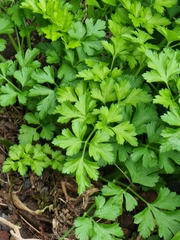 Petroselinum crispumt0
- Treatment
- coppere0
- Outcome
- growthe0
- Direction
- decreaseinferrede0
Not reportedComparator
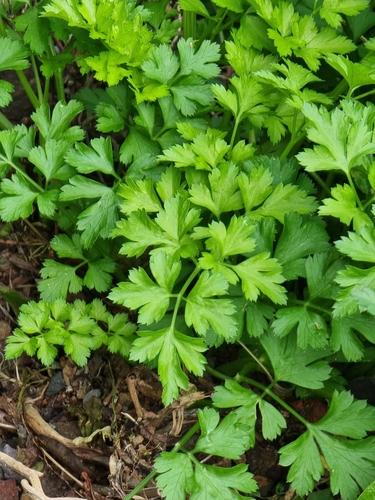
Organisms pictured · Representative pictures of the matched species, not figures from the paper.


Verbatim
t0“root‐treatment of cauliflower, parsley and spinach plants”
e0“Both copper and zinc showed an obvious growth‐inhibition effect on the growth of the studied plants”
Claim · model-written summary
Zinc root treatment inhibited growth of cauliflower, parsley and spinach plants and their parts.
- Taxon
- cauliflower, parsley and spinachSpinacia oleraceaBrassica oleracea var. botrytisPetroselinum crispumt0
- Treatment
- zince0
- Outcome
- growthe0
- Direction
- decreaseinferrede0
Not reportedComparator
Organisms pictured · Representative pictures of the matched species, not figures from the paper.
Verbatim
t0“root‐treatment of cauliflower, parsley and spinach plants”
e0“Both copper and zinc showed an obvious growth‐inhibition effect on the growth of the studied plants”
Claim · model-written summary
Copper had a higher toxic effect than zinc on the growth of cauliflower, spinach and parsley plants and their parts.
- Taxon
- cauliflower, spinach and parsley plantsSpinacia oleraceaBrassica oleracea var. botrytisPetroselinum crispume1
- Treatment
- Coppere1
- Outcome
- toxic effecte1
- Direction
- highere1
- Comparator
- zince2
Organisms pictured · Representative pictures of the matched species, not figures from the paper.
Verbatim
e1“Copper showed higher toxic effect on the growth of treated cauliflower, spinach and parsley plants”
e2“The toxicity effects of zinc and copper on the growth of plants were compared”
The same questions in other papers
copper atom · growth · Spinacia oleracea (spinach)Results differ
2 papers in the same direction as this paper · 2 in the opposite direction
- positive
- positive
- negative
1 paper more in this group
See all 5 papers →zinc atom · growth · Spinacia oleracea (spinach)Results differ
5 papers in the same direction as this paper · 6 in the opposite direction
- positive
- positive
- positive
8 papers more in this group
See all 12 papers →copper atom · growth · Petroselinum crispum (parsley)Positive and negative results
1 paper in the same direction as this paper · 1 in the opposite direction
- positive
- negative
copper atom · growth · Brassica oleracea (wild cabbage)Positive and negative results
5 papers in the same direction as this paper · 2 in the opposite direction
- positive
- positive
- negative
4 papers more in this group
See all 8 papers →zinc atom · growth · Brassica oleracea (wild cabbage)Positive and negative results
1 paper in the same direction as this paper · 21 in the opposite direction
- positive
- positive
- positive
19 papers more in this group
See all 23 papers →copper atom · pest · Brassica oleracea (wild cabbage)Results agree
1 paper in the same direction as this paper
- no effect
Claims are grouped by organism, treatment and what was measured or targeted. A paper counts as positive when any of its claims in the group is positive.