Abstract
The whitefly Bemisia tabaci is a major pest of greenhouse-grown tomato, causing significant yield and quality losses worldwide. This study evaluated the population dynamics of B. tabaci on tomato crops maintained at a maximum temperature of 24 ± 1 °C and assessed the effectiveness of two generalist predators, Nesidiocoris tenuis and Orius laevigatus, applied individually or in combination under greenhouse conditions in Saudi Arabia. Whitefly populations increased progressively throughout the study, reaching peak densities of 32.24 eggs and 124.00 ± 7.78 nymphs per leaf. Predator release significantly reduced B. tabaci populations at both the egg and nymphal stages. N. tenuis showed greater efficacy against eggs, achieving a 67.44% reduction, whereas O. laevigatus was slightly more effective against nymphs, with a 63.30% reduction. Notably, the combined release of both predators resulted in the greatest suppression of whitefly populations, reducing egg and nymphal densities by 79.50% and 78.02%, respectively, suggesting additive or synergistic interactions between the two predators. The dual-predator treatment also significantly improved yield-related parameters, including fruit number, fruit size, and total yield per plant, without adversely affecting fruit quality. In addition, vitamin C content increased under the combined predator treatment. These findings demonstrate that the integration of N. tenuis and O. laevigatus enhances biological control efficacy and supports sustainable integrated pest management strategies for greenhouse tomato production.
Abstract from the paper’s OpenAlex record; open copy licensed cc-by. Read at the source ↗
The text the model read, with the source record’s inline markup (italics, sub- and superscripts) rendered and its character entities decoded; quote offsets refer to the raw text.
Claims 10
Claim · model-written summary
Whitefly populations increased to a peak of 32.24 eggs per leaf.
- Taxon
- tomato
 Solanum lycopersicumt0
- Interactor
- Whiteflye0pest
- Outcome
- Whitefly populationse0
- Direction
- increasede0
- Value
- 32.24 eggse0
Organisms pictured · Representative pictures of the matched species, not figures from the paper.

Verbatim
e0“Whitefly populations increased progressively throughout the study, reaching peak densities of 32.24 eggs and 124.00 ± 7.78 nymphs per leaf.”
t0“Tomato Yield”
Claim · model-written summary
Whitefly populations reached 124.00 ± 7.78 nymphs per leaf.
- Taxon
- tomatoSolanum lycopersicumt0
- Interactor
- Whiteflye0pest
- Outcome
- Whitefly populationse0
- Direction
- increasede0
- Value
- 124.00 ± 7.78 nymphs per leafe0
Organisms pictured · Representative pictures of the matched species, not figures from the paper.
Verbatim
e0“Whitefly populations increased progressively throughout the study, reaching peak densities of 32.24 eggs and 124.00 ± 7.78 nymphs per leaf.”
t0“Tomato Yield”
Claim · model-written summary
Predator release significantly reduced B. tabaci eggs and nymphs.
- Taxon
- tomatoSolanum lycopersicumt0
- Treatment
- Predator releasee0
- Interactor
- B. tabaci
 Bemisia tabacie0pest
- Outcome
- B. tabaci populations at both the egg and nymphal stagese0
- Direction
- reducede0
Not reportedComparator
Organisms pictured · Representative pictures of the matched species, not figures from the paper.

Verbatim
e0“Predator release significantly reduced B. tabaci populations at both the egg and nymphal stages.”
t0“Tomato Yield”
Claim · model-written summary
N. tenuis reduced whitefly eggs by 67.44%.
- Taxon
- tomatoSolanum lycopersicumt0
- Treatment
- N. tenuise0
- Interactor
- N. tenuis
 Nesidiocoris tenuise0biocontrol_agent
- Outcome
- eggse0
- Direction
- reductione0
- Value
- 67.44%e0
Not reportedComparator
Organisms pictured · Representative pictures of the matched species, not figures from the paper.

Verbatim
e0“N. tenuis showed greater efficacy against eggs, achieving a 67.44% reduction”
t0“Tomato Yield”
Claim · model-written summary
O. laevigatus reduced whitefly nymphs by 63.30%.
- Taxon
- tomatoSolanum lycopersicumt0
- Treatment
- O. laevigatuse0
- Interactor
- O. laevigatus
 Orius laevigatuse0biocontrol_agent
- Outcome
- nymphse0
- Direction
- reductione0
- Value
- 63.30%e0
Not reportedComparator
Organisms pictured · Representative pictures of the matched species, not figures from the paper.
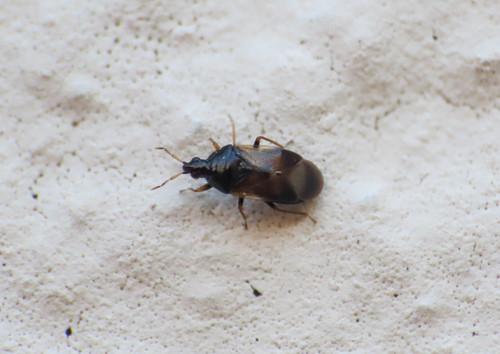
Verbatim
e0“O. laevigatus was slightly more effective against nymphs, with a 63.30% reduction.”
t0“Tomato Yield”
Claim · model-written summary
Combined predators reduced whitefly egg density by 79.50%.
- Taxon
- tomatoSolanum lycopersicumt0
- Treatment
- combined release of both predatorse0
- Interactor
- whiteflye0pest
- Outcome
- egge0
- Direction
- reducinge0
- Value
- 79.50%e0
Not reportedComparator
Organisms pictured · Representative pictures of the matched species, not figures from the paper.
Verbatim
e0“the combined release of both predators resulted in the greatest suppression of whitefly populations, reducing egg and nymphal densities by 79.50% and 78.02%, respectively”
t0“Tomato Yield”
Claim · model-written summary
Combined predators reduced whitefly nymph density by 78.02%.
- Taxon
- tomatoSolanum lycopersicumt0
- Treatment
- combined release of both predatorse0
- Interactor
- whiteflye0pest
- Outcome
- nymphal densitiese0
- Direction
- reducinge0
- Value
- 78.02%e0
Not reportedComparator
Organisms pictured · Representative pictures of the matched species, not figures from the paper.
Verbatim
e0“the combined release of both predators resulted in the greatest suppression of whitefly populations, reducing egg and nymphal densities by 79.50% and 78.02%, respectively”
t0“Tomato Yield”
Claim · model-written summary
Combined predator release significantly improved tomato fruit number, fruit size and yield per plant.
- Taxon
- tomatoSolanum lycopersicumt0
- Treatment
- dual-predator treatmente0
- Outcome
- fruit number, fruit size, and total yield per plante0
- Direction
- improvede0
Not reportedComparator
Organisms pictured · Representative pictures of the matched species, not figures from the paper.
Verbatim
e0“The dual-predator treatment also significantly improved yield-related parameters, including fruit number, fruit size, and total yield per plant”
t0“Tomato Yield”
Claim · model-written summary
Combined predator release did not adversely affect tomato fruit quality.
- Taxon
- tomatoSolanum lycopersicumt0
- Treatment
- dual-predator treatmente0
- Outcome
- fruit qualitye0
- Direction
- without adversely affectinge0
Not reportedComparator
Organisms pictured · Representative pictures of the matched species, not figures from the paper.
Verbatim
e0“The dual-predator treatment also significantly improved yield-related parameters, including fruit number, fruit size, and total yield per plant, without adversely affecting fruit quality.”
t0“Tomato Yield”
Claim · model-written summary
Combined predator treatment increased tomato vitamin C content.
- Taxon
- tomatoSolanum lycopersicumt0
- Treatment
- combined predator treatmente0
- Outcome
- vitamin C contente0
- Direction
- increasede0
Not reportedComparator
Organisms pictured · Representative pictures of the matched species, not figures from the paper.
Verbatim
e0“vitamin C content increased under the combined predator treatment.”
t0“Tomato Yield”
The same questions in other papers
Nesidiocoris tenuis · pest · Solanum lycopersicum (tomato)Results agree
2 papers in the same direction as this paper
- positive
- positive
biocontrol · pest · Solanum lycopersicum (tomato)Positive and negative results
22 papers in the same direction as this paper · 2 in the opposite direction
- no effect
- no effect
- positive
21 papers more in this group
See all 25 papers →biocontrol · quality: phytochemicals · Solanum lycopersicum (tomato)Results agree
3 papers in the same direction as this paper
- positive
- positive
- positive
biocontrol · Bemisia tabaci · Solanum lycopersicum (tomato)Results agree
9 papers in the same direction as this paper
- positive
- positive
- positive
6 papers more in this group
See all 10 papers →Claims are grouped by organism, treatment and what was measured or targeted. A paper counts as positive when any of its claims in the group is positive.