Abstract
In order to analyze the physiological regulation mechanisms associated with exogenous melatonin on rice blast, this study treated rice seedlings with different concentrations of melatonin (0, 20, 100, and 500 µmol/L) in order to investigate the growth characteristics, root morphology, superoxide dismutase (SOD) activity, peroxidase (POD) activity, catalase (CAT) activity, malondialdehyde (MDA) content, hydrogen peroxide (H2O2) content, and soluble protein content of rice seedlings. The results indicated that 100 µmol/L of melatonin exhibited a significant effect, improving the growth and antioxidant capacity of rice seedlings under rice blast fungus infection. The disease resistance level of rice seedlings against rice blast significantly decreased by 31.58% when compared to the 0 µmol/L melatonin treatment, while the plant height, stem base width, plant leaf area, total root length, aboveground dry weight, aboveground fresh weight, and underground fresh weight significantly increased by 8.72% to 91.38%. Treatment with 100 µmol/L of melatonin significantly increased catalase activities and soluble protein content, with respective increases of 94.99% and 31.14%. Simultaneously, the contents of malondialdehyde and hydrogen peroxide significantly decreased, reaching 18.65% and 38.87%, respectively. The gray relational grade analysis indicated that hydrogen peroxide content and resistance level exhibit the highest gray relational grades with melatonin concentration and, so, can be used to evaluate the effect of melatonin on the severity of rice blast fungus infection. Furthermore, the membership function analysis revealed that the 100 µmol/L melatonin treatment had the highest membership function value, indicating a significant improvement in the resistance of rice seedlings to rice blast disease. In conclusion, 100 µmol/L of melatonin enhances the resistance of rice seedlings to rice blast disease through promoting their growth and strengthening their antioxidant defenses. This study provides new insights into the tolerance mechanisms of rice seedlings against rice blast disease.
Abstract from the paper’s OpenAlex record; open copy licensed cc-by. Read at the source ↗
The text the model read, with the source record’s inline markup (italics, sub- and superscripts) rendered and its character entities decoded; quote offsets refer to the raw text.
Claims 11
Claim · model-written summary
Rice seedlings treated with 100 µmol/L melatonin showed a 31.58% significant decrease in disease resistance level against rice blast compared with 0 µmol/L melatonin, under rice blast fungus infection.
- Taxon
- rice seedlings
 Oryza sativae1
- Treatment
- 100 µmol/L of melatonine2
- Interactor
- rice blast fungus
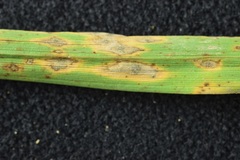 Pyricularia oryzaee2pathogen
- Outcome
- disease resistance level of rice seedlings against rice blaste1
- Direction
- decreasede1
- Value
- 31.58%e1
- Comparator
- 0 µmol/L melatonin treatmente1
Organisms pictured · Representative pictures of the matched species, not figures from the paper.

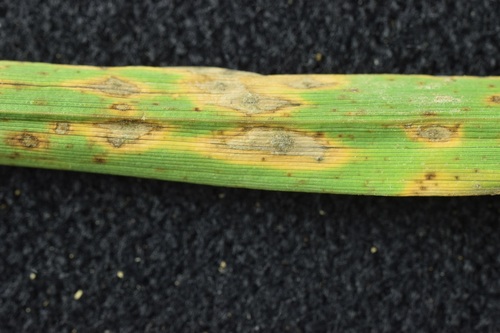
Verbatim
e1“The disease resistance level of rice seedlings against rice blast significantly decreased by 31.58% when compared to the 0 µmol/L melatonin treatment”
e2“100 µmol/L of melatonin exhibited a significant effect, improving the growth and antioxidant capacity of rice seedlings under rice blast fungus infection”
Claim · model-written summary
Melatonin at 100 µmol/L significantly increased plant height, stem base width and plant leaf area of rice seedlings (increases ranged from 8.72% to 91.38% across seven traits).
- Taxon
- RiceOryza sativat0
- Treatment
- 100 µmol/L of melatonine2
- Outcome
- plant height, stem base width, plant leaf areae1
- Direction
- increasede1
- Value
- 8.72% to 91.38%e1
- Comparator
- 0 µmol/L melatonin treatmente3
Organisms pictured · Representative pictures of the matched species, not figures from the paper.
Verbatim
t0“Antioxidant Defense in Rice”
e1“the plant height, stem base width, plant leaf area, total root length, aboveground dry weight, aboveground fresh weight, and underground fresh weight significantly increased by 8.72% to 91.38%”
e2“100 µmol/L of melatonin exhibited a significant effect”
e3“when compared to the 0 µmol/L melatonin treatment”
Claim · model-written summary
Melatonin at 100 µmol/L significantly increased total root length, aboveground dry weight and aboveground fresh weight of rice seedlings (increases ranged from 8.72% to 91.38% across seven traits).
- Taxon
- RiceOryza sativat0
- Treatment
- 100 µmol/L of melatonine2
- Outcome
- total root length, aboveground dry weight, aboveground fresh weighte1
- Direction
- increasede1
- Value
- 8.72% to 91.38%e1
- Comparator
- 0 µmol/L melatonin treatmente3
Organisms pictured · Representative pictures of the matched species, not figures from the paper.
Verbatim
t0“Antioxidant Defense in Rice”
e1“the plant height, stem base width, plant leaf area, total root length, aboveground dry weight, aboveground fresh weight, and underground fresh weight significantly increased by 8.72% to 91.38%”
e2“100 µmol/L of melatonin exhibited a significant effect”
e3“when compared to the 0 µmol/L melatonin treatment”
Claim · model-written summary
Melatonin at 100 µmol/L significantly increased underground fresh weight of rice seedlings (increases ranged from 8.72% to 91.38% across seven traits).
- Taxon
- RiceOryza sativat0
- Treatment
- 100 µmol/L of melatonine2
- Outcome
- underground fresh weighte1
- Direction
- increasede1
- Value
- 8.72% to 91.38%e1
- Comparator
- 0 µmol/L melatonin treatmente3
Organisms pictured · Representative pictures of the matched species, not figures from the paper.
Verbatim
t0“Antioxidant Defense in Rice”
e1“the plant height, stem base width, plant leaf area, total root length, aboveground dry weight, aboveground fresh weight, and underground fresh weight significantly increased by 8.72% to 91.38%”
e2“100 µmol/L of melatonin exhibited a significant effect”
e3“when compared to the 0 µmol/L melatonin treatment”
Claim · model-written summary
100 µmol/L melatonin significantly increased catalase activity in rice seedlings by 94.99%.
- Taxon
- RiceOryza sativat0
- Treatment
- 100 µmol/L of melatonine2
- Outcome
- catalase activitiese1
- Direction
- increasede1
- Value
- 94.99%e1
Not reportedComparator
Organisms pictured · Representative pictures of the matched species, not figures from the paper.
Verbatim
t0“Antioxidant Defense in Rice”
e1“Treatment with 100 µmol/L of melatonin significantly increased catalase activities and soluble protein content, with respective increases of 94.99% and 31.14%”
e2“Treatment with 100 µmol/L of melatonin”
Claim · model-written summary
100 µmol/L melatonin significantly increased soluble protein content in rice seedlings by 31.14%.
- Taxon
- RiceOryza sativat0
- Treatment
- 100 µmol/L of melatonine2
- Outcome
- soluble protein contente1
- Direction
- increasede1
- Value
- 31.14%e1
Not reportedComparator
Organisms pictured · Representative pictures of the matched species, not figures from the paper.
Verbatim
t0“Antioxidant Defense in Rice”
e1“Treatment with 100 µmol/L of melatonin significantly increased catalase activities and soluble protein content, with respective increases of 94.99% and 31.14%”
e2“Treatment with 100 µmol/L of melatonin”
Claim · model-written summary
100 µmol/L melatonin significantly decreased malondialdehyde content in rice seedlings, reaching 18.65%.
- Taxon
- RiceOryza sativat0
- Treatment
- 100 µmol/L of melatonine2
- Outcome
- contents of malondialdehydee1
- Direction
- decreasede1
- Value
- 18.65%e1
Not reportedComparator
Organisms pictured · Representative pictures of the matched species, not figures from the paper.
Verbatim
t0“Antioxidant Defense in Rice”
e1“Simultaneously, the contents of malondialdehyde and hydrogen peroxide significantly decreased, reaching 18.65% and 38.87%, respectively”
e2“Treatment with 100 µmol/L of melatonin”
Claim · model-written summary
100 µmol/L melatonin significantly decreased hydrogen peroxide content in rice seedlings, reaching 38.87%.
- Taxon
- RiceOryza sativat0
- Treatment
- 100 µmol/L of melatonine2
- Outcome
- hydrogen peroxidee1
- Direction
- decreasede1
- Value
- 38.87%e1
Not reportedComparator
Organisms pictured · Representative pictures of the matched species, not figures from the paper.
Verbatim
t0“Antioxidant Defense in Rice”
e1“Simultaneously, the contents of malondialdehyde and hydrogen peroxide significantly decreased, reaching 18.65% and 38.87%, respectively”
e2“Treatment with 100 µmol/L of melatonin”
Claim · model-written summary
Gray relational analysis showed hydrogen peroxide content and resistance level had the highest gray relational grades with melatonin concentration.
- Taxon
- RiceOryza sativat0
- Treatment
- melatonin concentratione1
- Outcome
- gray relational gradese1
- Direction
- higheste1
Organisms pictured · Representative pictures of the matched species, not figures from the paper.
Verbatim
t0“Antioxidant Defense in Rice”
e1“hydrogen peroxide content and resistance level exhibit the highest gray relational grades with melatonin concentration”
Claim · model-written summary
The 100 µmol/L melatonin treatment had the highest membership function value, indicating improved resistance of rice seedlings to rice blast.
- Taxon
- RiceOryza sativat0
- Treatment
- 100 µmol/L melatonin treatmente1
- Outcome
- membership function valuee1
- Direction
- higheste1
Not reportedComparator
Organisms pictured · Representative pictures of the matched species, not figures from the paper.
Verbatim
t0“Antioxidant Defense in Rice”
e1“the 100 µmol/L melatonin treatment had the highest membership function value”
Claim · model-written summary
The authors conclude that 100 µmol/L melatonin enhances resistance of rice seedlings to rice blast through promoting growth and strengthening antioxidant defenses.
- Taxon
- rice seedlingsOryza sativae1
- Treatment
- 100 µmol/L of melatonine1
- Outcome
- resistance of rice seedlings to rice blast diseasee1
- Qualifier
- through promoting their growth and strengthening their antioxidant defensese1
Organisms pictured · Representative pictures of the matched species, not figures from the paper.
Verbatim
e1“100 µmol/L of melatonin enhances the resistance of rice seedlings to rice blast disease through promoting their growth and strengthening their antioxidant defenses”
The same questions in other papers
melatonin · Pyricularia oryzae · Oryza sativa (rice)Results agree
2 papers in the same direction as this paper
- positive
- positive
melatonin · physiology: osmolytes · Oryza sativa (rice)Results agree
5 papers in the same direction as this paper
- positive
- positive
- positive
2 papers more in this group
See all 6 papers →melatonin · physiology: antioxidant enzymes · Oryza sativa (rice)Results agree
12 papers in the same direction as this paper
- positive
- positive
- positive
9 papers more in this group
See all 13 papers →melatonin · physiology: oxidative · Oryza sativa (rice)Results agree
20 papers in the same direction as this paper
- positive
- positive
- positive
17 papers more in this group
See all 21 papers →melatonin · growth · Oryza sativa (rice)Results agree
27 papers in the same direction as this paper
- positive
- positive
- positive
24 papers more in this group
See all 28 papers →Claims are grouped by organism, treatment and what was measured or targeted. A paper counts as positive when any of its claims in the group is positive.