Abstract
Transgenic Bt cotton is effective to a high degree of, with respect to target lepidoptran bollworms, however sucking pests especially whitefly posed a serious issues in absence of bollworm in genetically modified (GM) crops. Therefore, to understand the efficacy of various biorational compounds against whitefly under non-weedy as well as weedy field conditions, studies on whitefly carried out during kharif 2018, to know the changes in number of whitefly adults as well as nymphs. Transgenic hybrid cotton variety RCH 650 was sown with a spacing of 100×45 cm and replicated four times in both non-weedy and weedy habitat. Although, standard check Dimethoate 30 EC proved it’s efficacy after first and second spray in cotton crop against whitefly. Not with standing, after the application of biorational first time as spray in 29th Standard Meteoroloical Week (SMW), Nimbecidine 300 ppm was admitted as most effective in non-weedy (66.76 and 60.65% mean mortality in whitefly adult and nymph, respectively) as well as in weedy habitat that caused 56.77 and 55.54% mean mortality in adult and nymph, respectively over a period of seven days after application. Entomopathogenic fungi Verticillium lecanii found better to control whitefly adults (42.06 and 40.63%), while Metarhizium anisopliae (42.39 and 36.01%) found more effective for nymphal mortality in non-weedy as well as in weedy habitat. One and same pattern of efficacy of biorational was reconstructed against whitefly again after second application of biorational in all the treatment selected to test against whitefly.
Abstract from the paper’s OpenAlex record, shown for indexing and research. Copyright remains with the authors or the publisher. Read at the source ↗
The text the model read, with the source record’s inline markup (italics, sub- and superscripts) rendered and its character entities decoded; quote offsets refer to the raw text.
Claims 8
Claim · model-written summary
Nimbecidine 300 ppm was the most effective biorational in non-weedy cotton, with 66.76% mean adult mortality.
- Taxon
- cotton
 Gossypium hirsutume0
- Treatment
- Nimbecidine 300 ppme1
- Interactor
- whiteflye1pest
- Outcome
- mean mortality in whitefly adulte1
- Direction
- most effectivee1
- Value
- 66.76e1
- Setting
- non-weedye1
Not reportedComparator
Organisms pictured · Representative pictures of the matched species, not figures from the paper.

Verbatim
e0“Transgenic hybrid cotton variety RCH 650 was sown with a spacing of 100×45 cm and replicated four times in both non-weedy and weedy habitat”
e1“Nimbecidine 300 ppm was admitted as most effective in non-weedy (66.76 and 60.65% mean mortality in whitefly adult and nymph, respectively)”
Claim · model-written summary
Nimbecidine 300 ppm gave 60.65% mean nymph mortality in non-weedy cotton.
- Taxon
- cottonGossypium hirsutume0
- Treatment
- Nimbecidine 300 ppme1
- Interactor
- whiteflye1pest
- Outcome
- mean mortality in whitefly adult and nymphe1
- Direction
- most effectivee1
- Value
- 60.65%e1
- Setting
- non-weedye1
Not reportedComparator
Organisms pictured · Representative pictures of the matched species, not figures from the paper.
Verbatim
e0“Transgenic hybrid cotton variety RCH 650 was sown with a spacing of 100×45 cm and replicated four times in both non-weedy and weedy habitat”
e1“Nimbecidine 300 ppm was admitted as most effective in non-weedy (66.76 and 60.65% mean mortality in whitefly adult and nymph, respectively)”
Claim · model-written summary
Nimbecidine 300 ppm caused 56.77% mean adult mortality of whitefly in weedy cotton.
- Taxon
- cottonGossypium hirsutume0
- Treatment
- Nimbecidine 300 ppme1
- Interactor
- whiteflye1pest
- Outcome
- mean mortality in adulte2
- Value
- 56.77e2
- Setting
- weedy habitate2
Not reportedComparatorDirection
Organisms pictured · Representative pictures of the matched species, not figures from the paper.
Verbatim
e0“Transgenic hybrid cotton variety RCH 650 was sown with a spacing of 100×45 cm and replicated four times in both non-weedy and weedy habitat”
e1“Nimbecidine 300 ppm was admitted as most effective in non-weedy (66.76 and 60.65% mean mortality in whitefly adult and nymph, respectively)”
e2“as well as in weedy habitat that caused 56.77 and 55.54% mean mortality in adult and nymph, respectively”
Claim · model-written summary
Nimbecidine 300 ppm caused 55.54% mean nymph mortality of whitefly in weedy cotton.
- Taxon
- cottonGossypium hirsutume0
- Treatment
- Nimbecidine 300 ppme1
- Interactor
- whiteflye1pest
- Outcome
- mean mortality in adult and nymphe2
- Value
- 55.54%e2
- Setting
- weedy habitate2
Not reportedComparatorDirection
Organisms pictured · Representative pictures of the matched species, not figures from the paper.
Verbatim
e0“Transgenic hybrid cotton variety RCH 650 was sown with a spacing of 100×45 cm and replicated four times in both non-weedy and weedy habitat”
e1“Nimbecidine 300 ppm was admitted as most effective in non-weedy (66.76 and 60.65% mean mortality in whitefly adult and nymph, respectively)”
e2“as well as in weedy habitat that caused 56.77 and 55.54% mean mortality in adult and nymph, respectively”
Claim · model-written summary
Dimethoate 30 EC, the standard check, proved efficacy against whitefly after the first and second spray in cotton.
- Taxon
- cottonGossypium hirsutume3
- Treatment
- Dimethoate 30 ECe3
- Interactor
- whiteflye3pest
- Outcome
- efficacye3
Not reportedComparatorDirection
Organisms pictured · Representative pictures of the matched species, not figures from the paper.
Verbatim
e0“Transgenic hybrid cotton variety RCH 650 was sown with a spacing of 100×45 cm and replicated four times in both non-weedy and weedy habitat”
e3“standard check Dimethoate 30 EC proved it’s efficacy after first and second spray in cotton crop against whitefly”
Claim · model-written summary
Verticillium lecanii was better at controlling whitefly adults, with 42.06% and 40.63% adult control.
- Taxon
- cottonGossypium hirsutume0
- Treatment
- Verticillium lecaniie4
- Interactor
- whiteflye4pest
- Second interactor
- Verticillium lecanii
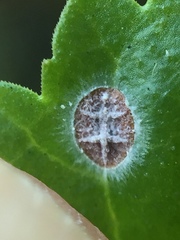 Akanthomyces lecaniie4biocontrol_agent
- Outcome
- control whitefly adultse4
- Direction
- bettere4
- Value
- 42.06 and 40.63%e4
Not reportedComparator
Organisms pictured · Representative pictures of the matched species, not figures from the paper.
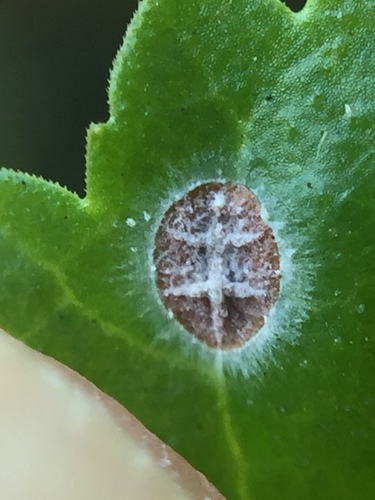
Verbatim
e0“Transgenic hybrid cotton variety RCH 650 was sown with a spacing of 100×45 cm and replicated four times in both non-weedy and weedy habitat”
e4“Entomopathogenic fungi Verticillium lecanii found better to control whitefly adults (42.06 and 40.63%)”
Claim · model-written summary
Metarhizium anisopliae was more effective against whitefly nymphal mortality, with 42.39% and 36.01%, in non-weedy and weedy cotton.
- Taxon
- cottonGossypium hirsutume0
- Treatment
- Metarhizium anisopliaee5
- Interactor
- whiteflye4pest
- Second interactor
- Metarhizium anisopliae
 Metarhizium anisopliaee5biocontrol_agent
- Outcome
- nymphal mortalitye5
- Direction
- more effectivee5
- Value
- 42.39 and 36.01%e5
- Setting
- non-weedy as well as in weedy habitate5
Not reportedComparator
Organisms pictured · Representative pictures of the matched species, not figures from the paper.

Verbatim
e0“Transgenic hybrid cotton variety RCH 650 was sown with a spacing of 100×45 cm and replicated four times in both non-weedy and weedy habitat”
e4“Entomopathogenic fungi Verticillium lecanii found better to control whitefly adults (42.06 and 40.63%)”
e5“Metarhizium anisopliae (42.39 and 36.01%) found more effective for nymphal mortality in non-weedy as well as in weedy habitat”
Claim · model-written summary
The same pattern of biorational efficacy against whitefly was seen again after the second application.
- Taxon
- cottonGossypium hirsutume0
- Treatment
- biorationale6
- Interactor
- whiteflye6pest
- Outcome
- pattern of efficacye6
Not reportedComparatorDirection
Organisms pictured · Representative pictures of the matched species, not figures from the paper.
Verbatim
e0“Transgenic hybrid cotton variety RCH 650 was sown with a spacing of 100×45 cm and replicated four times in both non-weedy and weedy habitat”
e6“One and same pattern of efficacy of biorational was reconstructed against whitefly again after second application of biorational”
The same questions in other papers
dimethoate · control · Gossypium hirsutum (cotton)Positive and negative results
1 paper in the same direction as this paper · 3 in the opposite direction · 1 reporting no difference from an alternative
- no effect
- negative
- negative
2 papers more in this group
See all 6 papers →Metarhizium anisopliae · pest · Gossypium hirsutum (cotton)Results agree
2 papers in the same direction as this paper
- positive
- positive
Akanthomyces lecanii · pest · Gossypium hirsutum (cotton)Results agree
5 papers in the same direction as this paper
- positive
- positive
- positive
2 papers more in this group
See all 6 papers →Claims are grouped by organism, treatment and what was measured or targeted. A paper counts as positive when any of its claims in the group is positive.