Abstract
Parsley is an herb/vegetable rich in nutritional compounds such as carbohydrates, vitamins, protein, crude fiber, minerals (especially potassium), phosphorus, magnesium, calcium, iron, and essential oils. Limited information is available in the literature on the quality of parsley roots depending on the cultivation technology used in the form of macronutrients and micronutrients, preparations to stimulate plant growth and development, as well as plant-protection products. A three-year study was undertaken to determine the effect of applying mineral fertilization with nitrogen, including magnesium on the nutritional value of parsley roots in terms of the content of ascorbic acid, total and reducing sugars, and minerals: (total N, K, Mg, Ca). The research material was the root of Petroselinum crispum ssp. tuberosum from an experiment where nitrogen was applied in soil at (0, 40, 80, 120 kg N ha−1) and magnesium at (0, 30 kg MgO ha−1). Nitrogen fertilization increased the nutritional value in terms of total and reducing sugars, as well as total N and Ca content. Applied magnesium fertilization caused a significant increase in the content of all tested nutrients. The most total sugars (127.7 g kg−1 f. m.), reducing sugars (16.8 g kg−1 f. m.), and total N (12.13 g kg−1 d. m.) were accumulated by roots from the object where nitrogen was applied at a maximum rate of 120 kg N ha−1, including magnesium. On the other hand, for the content of K (19.09 g kg−1 d. m.) in the roots, a dose of 80 N ha−1 was sufficient. For ascorbic acid (263.2 g kg−1 f. m.) and Ca (0.461 g kg−1 d. m.), a dose of 40 kg N ha−1 with a constant fertilization of 30 kg MgO ha−1 was sufficient. When applying high doses of nitrogen, lower doses of magnesium are recommended. This is sufficient due to the high nutritional value of parsley roots. Due to the worsening magnesium deficiency in soils in recent years, the use of this nutrient in the cultivation of root vegetables is as justified and timely as possible. Quality-assessment studies of root vegetables should be continued with higher amounts of magnesium fertilization. Different ways of applying magnesium in parsley cultivation should also be tested.
Abstract from the paper’s OpenAlex record; open copy licensed cc-by. Read at the source ↗
The text the model read, with the source record’s inline markup (italics, sub- and superscripts) rendered and its character entities decoded; quote offsets refer to the raw text.
Claims 10
Claim · model-written summary
Nitrogen fertilization increased total and reducing sugars in parsley roots.
- Taxon
- Parsley
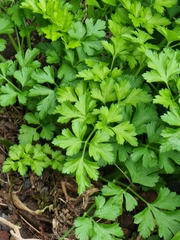 Petroselinum crispumt0
- Treatment
- Nitrogen fertilizatione1
- Outcome
- total and reducing sugarse1
- Direction
- increasede1
Not reportedComparator
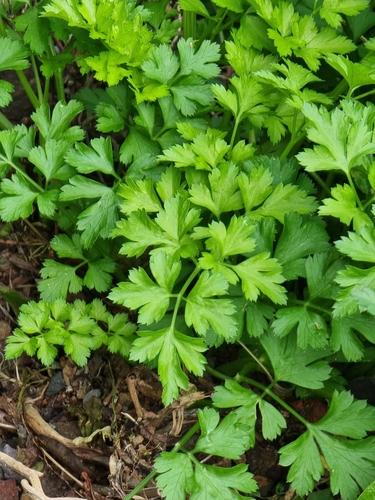
Organisms pictured · Representative pictures of the matched species, not figures from the paper.
Verbatim
e1“Nitrogen fertilization increased the nutritional value in terms of total and reducing sugars, as well as total N and Ca content”
t0“Nutritional Value of Parsley Roots”
Claim · model-written summary
Nitrogen fertilization increased total N and Ca content in parsley roots.
- Taxon
- ParsleyPetroselinum crispumt0
- Treatment
- Nitrogen fertilizatione1
- Outcome
- total N and Ca contente1
- Direction
- increasede1
Not reportedComparator
Organisms pictured · Representative pictures of the matched species, not figures from the paper.
Verbatim
e1“Nitrogen fertilization increased the nutritional value in terms of total and reducing sugars, as well as total N and Ca content”
t0“Nutritional Value of Parsley Roots”
Claim · model-written summary
Magnesium fertilization significantly increased the content of all tested nutrients in parsley roots.
- Taxon
- ParsleyPetroselinum crispumt0
- Treatment
- Applied magnesium fertilizatione2
- Outcome
- content of all tested nutrientse2
- Direction
- increasee2
Not reportedComparator
Organisms pictured · Representative pictures of the matched species, not figures from the paper.
Verbatim
e2“Applied magnesium fertilization caused a significant increase in the content of all tested nutrients”
t0“Nutritional Value of Parsley Roots”
Claim · model-written summary
Roots from the highest nitrogen rate with magnesium accumulated the most total sugars (127.7 g kg−1 f. m.).
- Taxon
- ParsleyPetroselinum crispumt0
- Treatment
- nitrogen was applied at a maximum rate of 120 kg N ha−1, including magnesiume3
- Outcome
- total sugarse3
- Direction
- moste3
- Value
- 127.7 g kg−1 f. m.e3
Not reportedComparator
Organisms pictured · Representative pictures of the matched species, not figures from the paper.
Verbatim
e3“The most total sugars (127.7 g kg−1 f. m.), reducing sugars (16.8 g kg−1 f. m.), and total N (12.13 g kg−1 d. m.) were accumulated by roots from the object where nitrogen was applied at a maximum rate of 120 kg N ha−1, including magnesium”
t0“Nutritional Value of Parsley Roots”
Claim · model-written summary
Roots from the highest nitrogen rate with magnesium accumulated the most reducing sugars (16.8 g kg−1 f. m.).
- Taxon
- ParsleyPetroselinum crispumt0
- Treatment
- nitrogen was applied at a maximum rate of 120 kg N ha−1, including magnesiume3
- Outcome
- reducing sugarse3
- Direction
- moste3
- Value
- 16.8 g kg−1 f. m.e3
Not reportedComparator
Organisms pictured · Representative pictures of the matched species, not figures from the paper.
Verbatim
e3“The most total sugars (127.7 g kg−1 f. m.), reducing sugars (16.8 g kg−1 f. m.), and total N (12.13 g kg−1 d. m.) were accumulated by roots from the object where nitrogen was applied at a maximum rate of 120 kg N ha−1, including magnesium”
t0“Nutritional Value of Parsley Roots”
Claim · model-written summary
Roots from the highest nitrogen rate with magnesium accumulated the most total N (12.13 g kg−1 d. m.).
- Taxon
- ParsleyPetroselinum crispumt0
- Treatment
- nitrogen was applied at a maximum rate of 120 kg N ha−1, including magnesiume3
- Outcome
- total Ne3
- Direction
- moste3
- Value
- 12.13 g kg−1 d. m.e3
Not reportedComparator
Organisms pictured · Representative pictures of the matched species, not figures from the paper.
Verbatim
e3“The most total sugars (127.7 g kg−1 f. m.), reducing sugars (16.8 g kg−1 f. m.), and total N (12.13 g kg−1 d. m.) were accumulated by roots from the object where nitrogen was applied at a maximum rate of 120 kg N ha−1, including magnesium”
t0“Nutritional Value of Parsley Roots”
Claim · model-written summary
A nitrogen dose of 80 kg N ha−1 was sufficient for the potassium content of parsley roots (19.09 g kg−1 d. m.).
- Taxon
- ParsleyPetroselinum crispumt0
- Treatment
- a dose of 80 N ha−1e4
- Outcome
- content of Ke4
- Direction
- sufficiente4
- Value
- 19.09 g kg−1 d. m.e4
Not reportedComparator
Organisms pictured · Representative pictures of the matched species, not figures from the paper.
Verbatim
e4“On the other hand, for the content of K (19.09 g kg−1 d. m.) in the roots, a dose of 80 N ha−1 was sufficient”
t0“Nutritional Value of Parsley Roots”
Claim · model-written summary
A nitrogen dose of 40 kg N ha−1 with 30 kg MgO ha−1 was sufficient for the ascorbic acid content of parsley roots (263.2 g kg−1 f. m.).
- Taxon
- ParsleyPetroselinum crispumt0
- Treatment
- a dose of 40 kg N ha−1 with a constant fertilization of 30 kg MgO ha−1e5
- Outcome
- ascorbic acide5
- Direction
- sufficiente5
- Value
- 263.2 g kg−1 f. m.e5
Not reportedComparator
Organisms pictured · Representative pictures of the matched species, not figures from the paper.
Verbatim
e5“For ascorbic acid (263.2 g kg−1 f. m.) and Ca (0.461 g kg−1 d. m.), a dose of 40 kg N ha−1 with a constant fertilization of 30 kg MgO ha−1 was sufficient”
t0“Nutritional Value of Parsley Roots”
Claim · model-written summary
A nitrogen dose of 40 kg N ha−1 with 30 kg MgO ha−1 was sufficient for the Ca content of parsley roots (0.461 g kg−1 d. m.).
- Taxon
- ParsleyPetroselinum crispumt0
- Treatment
- a dose of 40 kg N ha−1 with a constant fertilization of 30 kg MgO ha−1e5
- Outcome
- Cae5
- Direction
- sufficiente5
- Value
- 0.461 g kg−1 d. m.e5
Not reportedComparator
Organisms pictured · Representative pictures of the matched species, not figures from the paper.
Verbatim
e5“For ascorbic acid (263.2 g kg−1 f. m.) and Ca (0.461 g kg−1 d. m.), a dose of 40 kg N ha−1 with a constant fertilization of 30 kg MgO ha−1 was sufficient”
t0“Nutritional Value of Parsley Roots”
Claim · model-written summary
When high nitrogen doses are applied, lower magnesium doses are recommended for parsley roots.
- Taxon
- ParsleyPetroselinum crispumt0
- Treatment
- high doses of nitrogene6
- Outcome
- doses of magnesiume6
- Direction
- lowere6
Organisms pictured · Representative pictures of the matched species, not figures from the paper.
Verbatim
e6“When applying high doses of nitrogen, lower doses of magnesium are recommended”
t0“Nutritional Value of Parsley Roots”
The same questions in other papers
magnesium atom · nutrient: content · Petroselinum crispum (parsley)Positive and negative results
1 in the opposite direction
- no effect
nitrogen · nutrient: content · Petroselinum crispum (parsley)Positive and negative results
2 papers in the same direction as this paper · 1 in the opposite direction
- positive
- no effect
- positive
fertilization · nutrient: content · Petroselinum crispum (parsley)Positive and negative results
3 papers in the same direction as this paper · 1 in the opposite direction
- positive
- no effect
- positive
1 paper more in this group
See all 5 papers →fertilization · quality: sugar starch · Petroselinum crispum (parsley)Results agree
2 papers in the same direction as this paper
- positive
- positive
Claims are grouped by organism, treatment and what was measured or targeted. A paper counts as positive when any of its claims in the group is positive.