Abstract
An experiment of Maize stem borer Chilo partellus using different Bio-pesticides in field condition was carried out during Kharif 2022-2023 at central Research field SHUATS Prayagraj, UP., India. The management of Maize stem borer was done using 8 different treatments and benefit cost ratios of all the treatments were calculated. Total two sprays were applied to protect the crop from Chilo partellus using randomized block design with three replications. The observations of Chilo partellus 24 hours before (Pre- treatment) and 3rd, 7th and 14th day after spraying (post-treatment) were recorded for computing the percent of larval population reduction. The data were subjected to statistical analysis after appropriate transformation for interpretation. The treatment with recommended insecticide cost benefit ratio and yield is in Imidacloprid 200 SL (T7) (1:5.01) (40.49q/ha) followed by Beauveria bassiana (2 CFU×108 ml) (T1) (1:4.53) (38.45q/ha), Bacillus thuringiensis (108 CFU/ml) (T4) (1:4.41) (37.7q/ha), Metarhizium anisopliae (T2) (1:4.20) (36.79q/ha), NPV (T3) (1:4.03) (35.98q/ha), NSKE @ 5% (T5) (1:3.97) (34.6q/ha), Azadirachtin 0.03% (T6) (1:3.85) (33.57q/ha) Lest monetary return and yieldwas obtained with control (T0) (1:3.52) (28.4q/ha).
Abstract from the paper’s OpenAlex record, shown for indexing and research. Copyright remains with the authors or the publisher. Read at the source ↗
The text the model read, with the source record’s inline markup (italics, sub- and superscripts) rendered and its character entities decoded; quote offsets refer to the raw text.
Claims 16
Claim · model-written summary
Imidacloprid 200 SL (T7) produced a benefit-cost ratio of 1:5.01.
- Treatment
- Imidacloprid 200 SL (T7)e0
- Interactor
- Chilo partellus swinhoe
 Chilo partellust0pest
- Outcome
- cost benefit ratioe0
- Value
- 1:5.01e0
 Zea mays
Organisms pictured · Representative pictures of the matched species, not figures from the paper.


Verbatim
e0“The treatment with recommended insecticide cost benefit ratio and yield is in Imidacloprid 200 SL (T7) (1:5.01) (40.49q/ha) followed by Beauveria bassiana (2 CFU×108 ml) (T1) (1:4.53) (38.45q/ha), Bacillus thuringiensis (108 CFU/ml) (T4) (1:4.41) (37.7q/ha), Metarhizium anisopliae (T2) (1:4.20) (36.79q/ha), NPV (T3) (1:4.03) (35.98q/ha), NSKE @ 5% (T5) (1:3.97) (34.6q/ha), Azadirachtin 0.03% (T6) (1:3.85) (33.57q/ha) Lest monetary return and yieldwas obtained with control (T0) (1:3.52) (28.4q/ha).”
t0“Maize Spotted Stem Borer (Chilo partellus swinhoe) on maize”
Claim · model-written summary
Imidacloprid 200 SL (T7) produced a maize yield of 40.49q/ha.
- Treatment
- Imidacloprid 200 SL (T7)e0
- Interactor
- Chilo partellus swinhoeChilo partellust0pest
- Outcome
- yielde0
- Value
- 40.49q/hae0
- Comparator
- control (T0)e0
Not reportedDirection
Organisms pictured · Representative pictures of the matched species, not figures from the paper.
Verbatim
e0“The treatment with recommended insecticide cost benefit ratio and yield is in Imidacloprid 200 SL (T7) (1:5.01) (40.49q/ha) followed by Beauveria bassiana (2 CFU×108 ml) (T1) (1:4.53) (38.45q/ha), Bacillus thuringiensis (108 CFU/ml) (T4) (1:4.41) (37.7q/ha), Metarhizium anisopliae (T2) (1:4.20) (36.79q/ha), NPV (T3) (1:4.03) (35.98q/ha), NSKE @ 5% (T5) (1:3.97) (34.6q/ha), Azadirachtin 0.03% (T6) (1:3.85) (33.57q/ha) Lest monetary return and yieldwas obtained with control (T0) (1:3.52) (28.4q/ha).”
t0“Maize Spotted Stem Borer (Chilo partellus swinhoe) on maize”
Claim · model-written summary
Beauveria bassiana (2 CFU×108 ml) (T1) produced a benefit-cost ratio of 1:4.53.
- Treatment
- Beauveria bassiana (2 CFU×108 ml) (T1)e0
- Interactor
- Chilo partellus swinhoeChilo partellust0pest
- Second interactor
- Beauveria bassiana
 Beauveria bassianae0biocontrol_agent
- Outcome
- cost benefit ratioe0
- Value
- 1:4.53e0
Organisms pictured · Representative pictures of the matched species, not figures from the paper.

Verbatim
e0“The treatment with recommended insecticide cost benefit ratio and yield is in Imidacloprid 200 SL (T7) (1:5.01) (40.49q/ha) followed by Beauveria bassiana (2 CFU×108 ml) (T1) (1:4.53) (38.45q/ha), Bacillus thuringiensis (108 CFU/ml) (T4) (1:4.41) (37.7q/ha), Metarhizium anisopliae (T2) (1:4.20) (36.79q/ha), NPV (T3) (1:4.03) (35.98q/ha), NSKE @ 5% (T5) (1:3.97) (34.6q/ha), Azadirachtin 0.03% (T6) (1:3.85) (33.57q/ha) Lest monetary return and yieldwas obtained with control (T0) (1:3.52) (28.4q/ha).”
t0“Maize Spotted Stem Borer (Chilo partellus swinhoe) on maize”
Claim · model-written summary
Beauveria bassiana (2 CFU×108 ml) (T1) produced a maize yield of 38.45q/ha.
- Treatment
- Beauveria bassiana (2 CFU×108 ml) (T1)e0
- Interactor
- Chilo partellus swinhoeChilo partellust0pest
- Second interactor
- Beauveria bassianaBeauveria bassianae0biocontrol_agent
- Outcome
- yielde0
- Value
- 38.45q/hae0
- Comparator
- control (T0)e0
Not reportedDirection
Organisms pictured · Representative pictures of the matched species, not figures from the paper.
Verbatim
e0“The treatment with recommended insecticide cost benefit ratio and yield is in Imidacloprid 200 SL (T7) (1:5.01) (40.49q/ha) followed by Beauveria bassiana (2 CFU×108 ml) (T1) (1:4.53) (38.45q/ha), Bacillus thuringiensis (108 CFU/ml) (T4) (1:4.41) (37.7q/ha), Metarhizium anisopliae (T2) (1:4.20) (36.79q/ha), NPV (T3) (1:4.03) (35.98q/ha), NSKE @ 5% (T5) (1:3.97) (34.6q/ha), Azadirachtin 0.03% (T6) (1:3.85) (33.57q/ha) Lest monetary return and yieldwas obtained with control (T0) (1:3.52) (28.4q/ha).”
t0“Maize Spotted Stem Borer (Chilo partellus swinhoe) on maize”
Claim · model-written summary
Bacillus thuringiensis (108 CFU/ml) (T4) produced a benefit-cost ratio of 1:4.41.
- Treatment
- Bacillus thuringiensis (108 CFU/ml) (T4)e0
- Interactor
- Chilo partellus swinhoeChilo partellust0pest
- Second interactor
- Bacillus thuringiensis
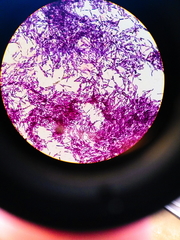 Bacillus thuringiensise0biocontrol_agent
- Outcome
- cost benefit ratioe0
- Value
- 1:4.41e0
Organisms pictured · Representative pictures of the matched species, not figures from the paper.
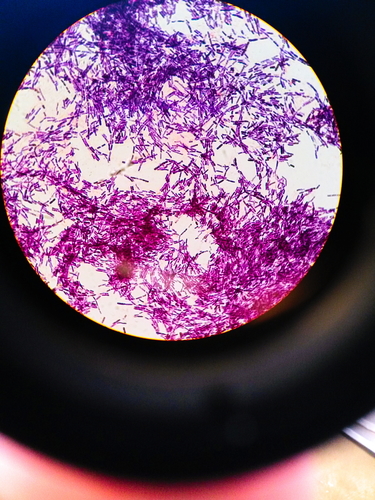
Verbatim
e0“The treatment with recommended insecticide cost benefit ratio and yield is in Imidacloprid 200 SL (T7) (1:5.01) (40.49q/ha) followed by Beauveria bassiana (2 CFU×108 ml) (T1) (1:4.53) (38.45q/ha), Bacillus thuringiensis (108 CFU/ml) (T4) (1:4.41) (37.7q/ha), Metarhizium anisopliae (T2) (1:4.20) (36.79q/ha), NPV (T3) (1:4.03) (35.98q/ha), NSKE @ 5% (T5) (1:3.97) (34.6q/ha), Azadirachtin 0.03% (T6) (1:3.85) (33.57q/ha) Lest monetary return and yieldwas obtained with control (T0) (1:3.52) (28.4q/ha).”
t0“Maize Spotted Stem Borer (Chilo partellus swinhoe) on maize”
Claim · model-written summary
Bacillus thuringiensis (108 CFU/ml) (T4) produced a maize yield of 37.7q/ha.
- Treatment
- Bacillus thuringiensis (108 CFU/ml) (T4)e0
- Interactor
- Chilo partellus swinhoeChilo partellust0pest
- Second interactor
- Bacillus thuringiensisBacillus thuringiensise0biocontrol_agent
- Outcome
- yielde0
- Value
- 37.7q/hae0
- Comparator
- control (T0)e0
Not reportedDirection
Organisms pictured · Representative pictures of the matched species, not figures from the paper.
Verbatim
e0“The treatment with recommended insecticide cost benefit ratio and yield is in Imidacloprid 200 SL (T7) (1:5.01) (40.49q/ha) followed by Beauveria bassiana (2 CFU×108 ml) (T1) (1:4.53) (38.45q/ha), Bacillus thuringiensis (108 CFU/ml) (T4) (1:4.41) (37.7q/ha), Metarhizium anisopliae (T2) (1:4.20) (36.79q/ha), NPV (T3) (1:4.03) (35.98q/ha), NSKE @ 5% (T5) (1:3.97) (34.6q/ha), Azadirachtin 0.03% (T6) (1:3.85) (33.57q/ha) Lest monetary return and yieldwas obtained with control (T0) (1:3.52) (28.4q/ha).”
t0“Maize Spotted Stem Borer (Chilo partellus swinhoe) on maize”
Claim · model-written summary
Metarhizium anisopliae (T2) produced a benefit-cost ratio of 1:4.20.
- Treatment
- Metarhizium anisopliae (T2)e0
- Interactor
- Chilo partellus swinhoeChilo partellust0pest
- Second interactor
- Metarhizium anisopliae
 Metarhizium anisopliaee0biocontrol_agent
- Outcome
- cost benefit ratioe0
- Value
- 1:4.20e0
Organisms pictured · Representative pictures of the matched species, not figures from the paper.

Verbatim
e0“The treatment with recommended insecticide cost benefit ratio and yield is in Imidacloprid 200 SL (T7) (1:5.01) (40.49q/ha) followed by Beauveria bassiana (2 CFU×108 ml) (T1) (1:4.53) (38.45q/ha), Bacillus thuringiensis (108 CFU/ml) (T4) (1:4.41) (37.7q/ha), Metarhizium anisopliae (T2) (1:4.20) (36.79q/ha), NPV (T3) (1:4.03) (35.98q/ha), NSKE @ 5% (T5) (1:3.97) (34.6q/ha), Azadirachtin 0.03% (T6) (1:3.85) (33.57q/ha) Lest monetary return and yieldwas obtained with control (T0) (1:3.52) (28.4q/ha).”
t0“Maize Spotted Stem Borer (Chilo partellus swinhoe) on maize”
Claim · model-written summary
Metarhizium anisopliae (T2) produced a maize yield of 36.79q/ha.
- Treatment
- Metarhizium anisopliae (T2)e0
- Interactor
- Chilo partellus swinhoeChilo partellust0pest
- Second interactor
- Metarhizium anisopliaeMetarhizium anisopliaee0biocontrol_agent
- Outcome
- yielde0
- Value
- 36.79q/hae0
- Comparator
- control (T0)e0
Not reportedDirection
Organisms pictured · Representative pictures of the matched species, not figures from the paper.
Verbatim
e0“The treatment with recommended insecticide cost benefit ratio and yield is in Imidacloprid 200 SL (T7) (1:5.01) (40.49q/ha) followed by Beauveria bassiana (2 CFU×108 ml) (T1) (1:4.53) (38.45q/ha), Bacillus thuringiensis (108 CFU/ml) (T4) (1:4.41) (37.7q/ha), Metarhizium anisopliae (T2) (1:4.20) (36.79q/ha), NPV (T3) (1:4.03) (35.98q/ha), NSKE @ 5% (T5) (1:3.97) (34.6q/ha), Azadirachtin 0.03% (T6) (1:3.85) (33.57q/ha) Lest monetary return and yieldwas obtained with control (T0) (1:3.52) (28.4q/ha).”
t0“Maize Spotted Stem Borer (Chilo partellus swinhoe) on maize”
Claim · model-written summary
NPV (T3) produced a benefit-cost ratio of 1:4.03.
- Treatment
- NPV (T3)e0
- Interactor
- Chilo partellus swinhoeChilo partellust0pest
- Outcome
- cost benefit ratioe0
- Value
- 1:4.03e0
Organisms pictured · Representative pictures of the matched species, not figures from the paper.
Verbatim
e0“The treatment with recommended insecticide cost benefit ratio and yield is in Imidacloprid 200 SL (T7) (1:5.01) (40.49q/ha) followed by Beauveria bassiana (2 CFU×108 ml) (T1) (1:4.53) (38.45q/ha), Bacillus thuringiensis (108 CFU/ml) (T4) (1:4.41) (37.7q/ha), Metarhizium anisopliae (T2) (1:4.20) (36.79q/ha), NPV (T3) (1:4.03) (35.98q/ha), NSKE @ 5% (T5) (1:3.97) (34.6q/ha), Azadirachtin 0.03% (T6) (1:3.85) (33.57q/ha) Lest monetary return and yieldwas obtained with control (T0) (1:3.52) (28.4q/ha).”
t0“Maize Spotted Stem Borer (Chilo partellus swinhoe) on maize”
Claim · model-written summary
NPV (T3) produced a maize yield of 35.98q/ha.
- Treatment
- NPV (T3)e0
- Interactor
- Chilo partellus swinhoeChilo partellust0pest
- Outcome
- yielde0
- Value
- 35.98q/hae0
- Comparator
- control (T0)e0
Not reportedDirection
Organisms pictured · Representative pictures of the matched species, not figures from the paper.
Verbatim
e0“The treatment with recommended insecticide cost benefit ratio and yield is in Imidacloprid 200 SL (T7) (1:5.01) (40.49q/ha) followed by Beauveria bassiana (2 CFU×108 ml) (T1) (1:4.53) (38.45q/ha), Bacillus thuringiensis (108 CFU/ml) (T4) (1:4.41) (37.7q/ha), Metarhizium anisopliae (T2) (1:4.20) (36.79q/ha), NPV (T3) (1:4.03) (35.98q/ha), NSKE @ 5% (T5) (1:3.97) (34.6q/ha), Azadirachtin 0.03% (T6) (1:3.85) (33.57q/ha) Lest monetary return and yieldwas obtained with control (T0) (1:3.52) (28.4q/ha).”
t0“Maize Spotted Stem Borer (Chilo partellus swinhoe) on maize”
Claim · model-written summary
NSKE @ 5% (T5) produced a benefit-cost ratio of 1:3.97.
- Treatment
- NSKE @ 5% (T5)e0
- Interactor
- Chilo partellus swinhoeChilo partellust0pest
- Outcome
- cost benefit ratioe0
- Value
- 1:3.97e0
Organisms pictured · Representative pictures of the matched species, not figures from the paper.
Verbatim
e0“The treatment with recommended insecticide cost benefit ratio and yield is in Imidacloprid 200 SL (T7) (1:5.01) (40.49q/ha) followed by Beauveria bassiana (2 CFU×108 ml) (T1) (1:4.53) (38.45q/ha), Bacillus thuringiensis (108 CFU/ml) (T4) (1:4.41) (37.7q/ha), Metarhizium anisopliae (T2) (1:4.20) (36.79q/ha), NPV (T3) (1:4.03) (35.98q/ha), NSKE @ 5% (T5) (1:3.97) (34.6q/ha), Azadirachtin 0.03% (T6) (1:3.85) (33.57q/ha) Lest monetary return and yieldwas obtained with control (T0) (1:3.52) (28.4q/ha).”
t0“Maize Spotted Stem Borer (Chilo partellus swinhoe) on maize”
Claim · model-written summary
NSKE @ 5% (T5) produced a maize yield of 34.6q/ha.
- Treatment
- NSKE @ 5% (T5)e0
- Interactor
- Chilo partellus swinhoeChilo partellust0pest
- Outcome
- yielde0
- Value
- 34.6q/hae0
- Comparator
- control (T0)e0
Not reportedDirection
Organisms pictured · Representative pictures of the matched species, not figures from the paper.
Verbatim
e0“The treatment with recommended insecticide cost benefit ratio and yield is in Imidacloprid 200 SL (T7) (1:5.01) (40.49q/ha) followed by Beauveria bassiana (2 CFU×108 ml) (T1) (1:4.53) (38.45q/ha), Bacillus thuringiensis (108 CFU/ml) (T4) (1:4.41) (37.7q/ha), Metarhizium anisopliae (T2) (1:4.20) (36.79q/ha), NPV (T3) (1:4.03) (35.98q/ha), NSKE @ 5% (T5) (1:3.97) (34.6q/ha), Azadirachtin 0.03% (T6) (1:3.85) (33.57q/ha) Lest monetary return and yieldwas obtained with control (T0) (1:3.52) (28.4q/ha).”
t0“Maize Spotted Stem Borer (Chilo partellus swinhoe) on maize”
Claim · model-written summary
Azadirachtin 0.03% (T6) produced a benefit-cost ratio of 1:3.85.
- Treatment
- Azadirachtin 0.03% (T6)e0
- Interactor
- Chilo partellus swinhoeChilo partellust0pest
- Outcome
- cost benefit ratioe0
- Value
- 1:3.85e0
Organisms pictured · Representative pictures of the matched species, not figures from the paper.
Verbatim
e0“The treatment with recommended insecticide cost benefit ratio and yield is in Imidacloprid 200 SL (T7) (1:5.01) (40.49q/ha) followed by Beauveria bassiana (2 CFU×108 ml) (T1) (1:4.53) (38.45q/ha), Bacillus thuringiensis (108 CFU/ml) (T4) (1:4.41) (37.7q/ha), Metarhizium anisopliae (T2) (1:4.20) (36.79q/ha), NPV (T3) (1:4.03) (35.98q/ha), NSKE @ 5% (T5) (1:3.97) (34.6q/ha), Azadirachtin 0.03% (T6) (1:3.85) (33.57q/ha) Lest monetary return and yieldwas obtained with control (T0) (1:3.52) (28.4q/ha).”
t0“Maize Spotted Stem Borer (Chilo partellus swinhoe) on maize”
Claim · model-written summary
Azadirachtin 0.03% (T6) produced a maize yield of 33.57q/ha.
- Treatment
- Azadirachtin 0.03% (T6)e0
- Interactor
- Chilo partellus swinhoeChilo partellust0pest
- Outcome
- yielde0
- Value
- 33.57q/hae0
- Comparator
- control (T0)e0
Not reportedDirection
Organisms pictured · Representative pictures of the matched species, not figures from the paper.
Verbatim
e0“The treatment with recommended insecticide cost benefit ratio and yield is in Imidacloprid 200 SL (T7) (1:5.01) (40.49q/ha) followed by Beauveria bassiana (2 CFU×108 ml) (T1) (1:4.53) (38.45q/ha), Bacillus thuringiensis (108 CFU/ml) (T4) (1:4.41) (37.7q/ha), Metarhizium anisopliae (T2) (1:4.20) (36.79q/ha), NPV (T3) (1:4.03) (35.98q/ha), NSKE @ 5% (T5) (1:3.97) (34.6q/ha), Azadirachtin 0.03% (T6) (1:3.85) (33.57q/ha) Lest monetary return and yieldwas obtained with control (T0) (1:3.52) (28.4q/ha).”
t0“Maize Spotted Stem Borer (Chilo partellus swinhoe) on maize”
Claim · model-written summary
Control had the lowest monetary return, with a benefit-cost ratio of 1:3.52.
Organisms pictured · Representative pictures of the matched species, not figures from the paper.
Verbatim
e0“Lest monetary return and yieldwas obtained with control (T0) (1:3.52) (28.4q/ha).”
t0“Maize Spotted Stem Borer (Chilo partellus swinhoe) on maize”
Claim · model-written summary
Control had the lowest yield at 28.4q/ha.
Organisms pictured · Representative pictures of the matched species, not figures from the paper.
Verbatim
e0“Lest monetary return and yieldwas obtained with control (T0) (1:3.52) (28.4q/ha).”
t0“Maize Spotted Stem Borer (Chilo partellus swinhoe) on maize”
The same questions in other papers
Metarhizium anisopliae · Chilo partellus · Zea mays (maize)Results agree
1 paper in the same direction as this paper
- positive
Bacillus thuringiensis · Chilo partellus · Zea mays (maize)Results agree
2 papers in the same direction as this paper
- positive
- positive
Beauveria bassiana · Chilo partellus · Zea mays (maize)Results agree
3 papers in the same direction as this paper
- positive
- positive
- positive
azadirachtin · Chilo partellus · Zea mays (maize)Results agree
5 papers in the same direction as this paper
- positive
- positive
- positive
2 papers more in this group
See all 6 papers →imidacloprid · Chilo partellus · Zea mays (maize)Results agree
6 papers in the same direction as this paper
- positive
- positive
- positive
3 papers more in this group
See all 7 papers →Claims are grouped by organism, treatment and what was measured or targeted. A paper counts as positive when any of its claims in the group is positive.