Abstract
During the years 2020 and 2021, the effects of various biopesticides and the egg parasitoid Trichogramma chilonis on the okra shoot and fruit borer were investigated in open fields. All interventions outperformed over the untreated control. The entomopathogenic bacterium Bacillus thuringiensis was the most promising biopesticide tested, with the lowest shoot (5.49% and 6.87% in 2020 and 2021, respectively) and fruit damage (4.95% and 5.65% in 2020 and 2021, respectively), followed by the entomopathogenic fungi Beauveria bassiana (7.08%, 8.04% shoot damage and 6.78% and 6.73% fruit damage during 2020 and 2021, respectively). Interestingly, all biopesticides evaluated were shown to be safe for the polyphagous predators occurring in the okra habitat, such as the ladybird beetles Menochilus sexmaculatus and Micraspis discolour and the spiders Marpissa spp. and Oxyopes lineatipes. However, emamectin benzoate 5% SG was the most effective treatment in terms of minimizing okra shoot and fruit damage, resulting in a maximum percent reduction over control (PROC) (85.54 and 80.90 against shoot damage and 76.60 and 71.33 against fruit damage during 2020 and 2021, respectively). Each treatment's economics were also analysed. The experimental plots treated with emamectin benzoate had the highest cost:benefit ratio (1:11.16), while B. thuringiensis had the highest (1:7.06) among the biopesticide / parasitoid releasing plots.
Abstract from the paper’s OpenAlex record; open copy licensed cc-by-nc-sa. Read at the source ↗
The text the model read, with the source record’s inline markup (italics, sub- and superscripts) rendered and its character entities decoded; quote offsets refer to the raw text.
Claims 10
Claim · model-written summary
All tested interventions (biopesticides and the egg parasitoid Trichogramma chilonis) outperformed the untreated control against the okra shoot and fruit borer in open fields.
- Taxon
- okra
 Abelmoschus esculentust0
- Treatment
- All interventionse0
- Interactor
- Earias vittella
 Earias vittellat0pest
- Outcome
- outperformed over the untreated controle0
- Direction
- outperformede0
- Comparator
- untreated controle0
Organisms pictured · Representative pictures of the matched species, not figures from the paper.


Verbatim
e0“All interventions outperformed over the untreated control”
t0“Earias vittella F.) of okra”
Claim · model-written summary
Bacillus thuringiensis was the most promising biopesticide, giving the lowest okra shoot damage (5.49% in 2020 and 6.87% in 2021).
- Taxon
- okraAbelmoschus esculentust0
- Treatment
- Bacillus thuringiensise0
- Interactor
- Earias vittellaEarias vittellat0pest
- Second interactor
- Bacillus thuringiensis
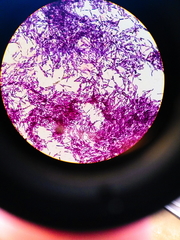 Bacillus thuringiensise0biocontrol_agent
- Outcome
- shoote0
- Direction
- loweste0
- Value
- 5.49% and 6.87%e0
Not reportedComparator
Organisms pictured · Representative pictures of the matched species, not figures from the paper.
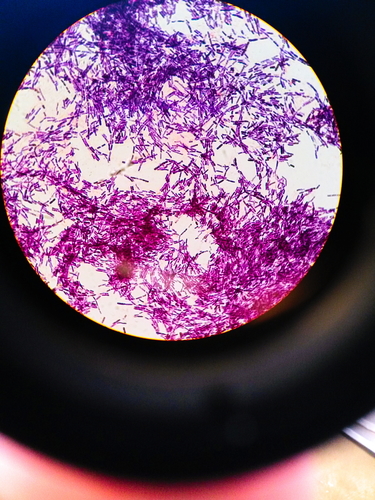
Verbatim
e0“Bacillus thuringiensis was the most promising biopesticide tested, with the lowest shoot (5.49% and 6.87% in 2020 and 2021, respectively) and fruit damage (4.95% and 5.65% in 2020 and 2021, respectively)”
t0“Earias vittella F.) of okra”
Claim · model-written summary
Bacillus thuringiensis gave the lowest okra fruit damage among the biopesticides (4.95% in 2020 and 5.65% in 2021).
- Taxon
- okraAbelmoschus esculentust0
- Treatment
- Bacillus thuringiensise0
- Interactor
- Earias vittellaEarias vittellat0pest
- Second interactor
- Bacillus thuringiensisBacillus thuringiensise0biocontrol_agent
- Outcome
- fruit damagee0
- Direction
- loweste0
- Value
- 4.95% and 5.65%e0
Not reportedComparator
Organisms pictured · Representative pictures of the matched species, not figures from the paper.
Verbatim
e0“Bacillus thuringiensis was the most promising biopesticide tested, with the lowest shoot (5.49% and 6.87% in 2020 and 2021, respectively) and fruit damage (4.95% and 5.65% in 2020 and 2021, respectively)”
t0“Earias vittella F.) of okra”
Claim · model-written summary
Beauveria bassiana, next after B. thuringiensis, gave okra shoot damage of 7.08% in 2020 and 8.04% in 2021.
- Taxon
- okraAbelmoschus esculentust0
- Treatment
- Beauveria bassianae0
- Interactor
- Earias vittellaEarias vittellat0pest
- Second interactor
- Beauveria bassiana
 Beauveria bassianae0biocontrol_agent
- Outcome
- shoot damagee0
- Value
- 7.08%, 8.04%e0
Not reportedComparatorDirection
Organisms pictured · Representative pictures of the matched species, not figures from the paper.

Verbatim
e0“Beauveria bassiana (7.08%, 8.04% shoot damage and 6.78% and 6.73% fruit damage during 2020 and 2021, respectively)”
t0“Earias vittella F.) of okra”
Claim · model-written summary
Beauveria bassiana gave okra fruit damage of 6.78% in 2020 and 6.73% in 2021.
- Taxon
- okraAbelmoschus esculentust0
- Treatment
- Beauveria bassianae0
- Interactor
- Earias vittellaEarias vittellat0pest
- Second interactor
- Beauveria bassianaBeauveria bassianae0biocontrol_agent
- Outcome
- fruit damagee0
- Value
- 6.78% and 6.73%e0
Not reportedComparatorDirection
Organisms pictured · Representative pictures of the matched species, not figures from the paper.
Verbatim
e0“Beauveria bassiana (7.08%, 8.04% shoot damage and 6.78% and 6.73% fruit damage during 2020 and 2021, respectively)”
t0“Earias vittella F.) of okra”
Claim · model-written summary
All biopesticides evaluated were safe for the polyphagous predators (ladybird beetles and spiders) occurring in the okra habitat.
- Taxon
- okraAbelmoschus esculentuse0
- Treatment
- biopesticidese0
- Interactor
- polyphagous predatorse0other
- Outcome
- safe for the polyphagous predatorse0
Not reportedComparatorDirection
Organisms pictured · Representative pictures of the matched species, not figures from the paper.
Verbatim
e0“all biopesticides evaluated were shown to be safe for the polyphagous predators occurring in the okra habitat”
Claim · model-written summary
Emamectin benzoate 5% SG was the most effective treatment against okra shoot damage, with a maximum percent reduction over control of 85.54 in 2020 and 80.90 in 2021.
- Taxon
- okraAbelmoschus esculentuse0
- Treatment
- emamectin benzoate 5% SGe0
- Interactor
- Earias vittellaEarias vittellat0pest
- Outcome
- shoot damagee0
- Direction
- minimizinge0
- Value
- 85.54 and 80.90e0
- Qualifier
- percent reduction over control (PROC)e0
- Comparator
- controle0
Organisms pictured · Representative pictures of the matched species, not figures from the paper.
Verbatim
e0“emamectin benzoate 5% SG was the most effective treatment in terms of minimizing okra shoot and fruit damage, resulting in a maximum percent reduction over control (PROC) (85.54 and 80.90 against shoot damage and 76.60 and 71.33 against fruit damage during 2020 and 2021, respectively)”
t0“Earias vittella F.) of okra”
Claim · model-written summary
Emamectin benzoate 5% SG was the most effective treatment against okra fruit damage, with a maximum percent reduction over control of 76.60 in 2020 and 71.33 in 2021.
- Taxon
- okraAbelmoschus esculentuse0
- Treatment
- emamectin benzoate 5% SGe0
- Interactor
- Earias vittellaEarias vittellat0pest
- Outcome
- fruit damagee0
- Direction
- minimizinge0
- Value
- 76.60 and 71.33e0
- Qualifier
- percent reduction over control (PROC)e0
- Comparator
- controle0
Organisms pictured · Representative pictures of the matched species, not figures from the paper.
Verbatim
e0“emamectin benzoate 5% SG was the most effective treatment in terms of minimizing okra shoot and fruit damage, resulting in a maximum percent reduction over control (PROC) (85.54 and 80.90 against shoot damage and 76.60 and 71.33 against fruit damage during 2020 and 2021, respectively)”
t0“Earias vittella F.) of okra”
Claim · model-written summary
Okra plots treated with emamectin benzoate had the highest cost:benefit ratio, 1:11.16.
- Taxon
- okraAbelmoschus esculentust0
- Treatment
- emamectin benzoatee0
- Outcome
- cost:benefit ratioe0
- Direction
- higheste0
- Value
- 1:11.16e0
Organisms pictured · Representative pictures of the matched species, not figures from the paper.
Verbatim
e0“The experimental plots treated with emamectin benzoate had the highest cost:benefit ratio (1:11.16)”
t0“Earias vittella F.) of okra”
Claim · model-written summary
Among the biopesticide and parasitoid-release plots, B. thuringiensis had the highest cost:benefit ratio, 1:7.06.
- Taxon
- okraAbelmoschus esculentust0
- Treatment
- B. thuringiensise0
- Outcome
- higheste0
- Direction
- higheste0
- Value
- 1:7.06e0
Organisms pictured · Representative pictures of the matched species, not figures from the paper.
Verbatim
e0“while B. thuringiensis had the highest (1:7.06) among the biopesticide / parasitoid releasing plots”
t0“Earias vittella F.) of okra”
The same questions in other papers
Bacillus thuringiensis · Earias vittella · Abelmoschus esculentus (okra)Results agree
2 papers in the same direction as this paper
- positive
- positive
Beauveria bassiana · Earias vittella · Abelmoschus esculentus (okra)Results agree
3 papers in the same direction as this paper
- positive
- positive
- positive
emamectin benzoate · Earias vittella · Abelmoschus esculentus (okra)Results agree
20 papers in the same direction as this paper
- positive
- positive
- positive
17 papers more in this group
See all 21 papers →biocontrol · ecology: diversity · Abelmoschus esculentus (okra)Results agree
1 paper in the same direction as this paper
- positive
Claims are grouped by organism, treatment and what was measured or targeted. A paper counts as positive when any of its claims in the group is positive.