Abstract
Abstract The tomato leafminer, Tuta absoluta, is one of the most destructive pests of tomato worldwide. Management of the pest is mainly based on chemical insecticides. Reliance on insecticides is difficult to sustain because of unintended long‐term adverse effects on the environment and human health. Consequently, there is a need to develop pest management strategies that ensure the production of high‐quality products, while at the same time ensuring environmental sustainability and maximum consumer protection. We evaluated the efficacy the biopesticides: Azadirachtin , Bacillus thuringiensis, Steinernema feltiae and Beauveria bassiana individually and in combination against T. absoluta under laboratory and greenhouse conditions. When second instar larvae were exposed to tomato leaf discs treated with Azadirachtin (3 g / L), B. thuringiensis (0.5 g/L) or B. bassiana (1.5 g/L), 70%–86%, 55%–65%, and 45.5%–58.5% mortality was observed, respectively. Steinernema feltiae (1,000 IJs/ml) was the least effective biopesticide, with 26%–42% mortality. In the greenhouse trials on tomato, pest infestation (mines/10 leaves/plant) and fruits damaged were significantly lower on plants treated with Azadirachtin + B . thuringiensis or Azadirachtin + B . bassiana compared to plants treated with Azadirachtin , B. thuringiensi, B. bassiana or S. feltiae alone. Azadirachtin + B . thuringiensis and Azadirachtin + B . bassiana resulted in 90% and 81% reduction in fruits damaged in the summer experiments, respectively, and 96% and 91% in winter. The most severe pest infestation was observed on plants treated with S. feltia . The results indicate that the biopesticides, except S. feltia, can contribute to T. absoluta control in greenhouse tomato crops. In particular, the combined use of Azadirachtin with B. thuringiensis or B. bassiana provided the highest level of control of the pest. The potential for including these biopesticides in an overall sustainable integrated pest management programme for T. absoluta is discussed.
Abstract from the paper’s OpenAlex record, shown for indexing and research. Copyright remains with the authors or the publisher. Read at the source ↗
The text the model read, with the source record’s inline markup (italics, sub- and superscripts) rendered and its character entities decoded; quote offsets refer to the raw text.
Claims 12
Claim · model-written summary
Azadirachtin (3 g/L) on tomato leaf discs caused 70%-86% mortality of second instar Tuta absoluta larvae.
- Taxon
- tomato
 Solanum lycopersicume1
- Treatment
- Azadirachtin (3 g / L)e1
- Interactor
- Tuta absoluta
 Tuta absolutae0pest
- Outcome
- mortalitye1
- Direction
- increaseinferrede1
- Value
- 70%–86%e1
Not reportedComparator
Organisms pictured · Representative pictures of the matched species, not figures from the paper.


Verbatim
e0“The tomato leafminer, Tuta absoluta, is one of the most destructive pests of tomato worldwide”
e1“When second instar larvae were exposed to tomato leaf discs treated with Azadirachtin (3 g / L), B. thuringiensis (0.5 g/L) or B. bassiana (1.5 g/L), 70%–86%, 55%–65%, and 45.5%–58.5% mortality was observed, respectively”
Claim · model-written summary
B. thuringiensis (0.5 g/L) on tomato leaf discs caused 55%-65% mortality of second instar Tuta absoluta larvae.
- Taxon
- tomatoSolanum lycopersicume1
- Treatment
- B. thuringiensis (0.5 g/L)e1
- Interactor
- Tuta absolutaTuta absolutae0pest
- Second interactor
- B. thuringiensis
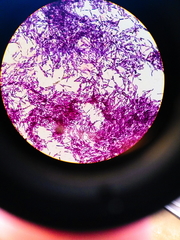 Bacillus thuringiensise1biocontrol_agent
- Outcome
- mortalitye1
- Direction
- increaseinferrede1
- Value
- 55%–65%e1
Not reportedComparator
Organisms pictured · Representative pictures of the matched species, not figures from the paper.
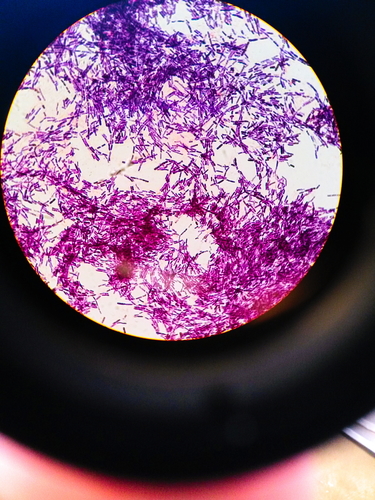
Verbatim
e0“The tomato leafminer, Tuta absoluta, is one of the most destructive pests of tomato worldwide”
e1“When second instar larvae were exposed to tomato leaf discs treated with Azadirachtin (3 g / L), B. thuringiensis (0.5 g/L) or B. bassiana (1.5 g/L), 70%–86%, 55%–65%, and 45.5%–58.5% mortality was observed, respectively”
Claim · model-written summary
B. bassiana (1.5 g/L) on tomato leaf discs caused 45.5%-58.5% mortality of second instar Tuta absoluta larvae.
- Taxon
- tomatoSolanum lycopersicume1
- Treatment
- B. bassiana (1.5 g/L)e1
- Interactor
- Tuta absolutaTuta absolutae0pest
- Second interactor
- B. bassiana
 Beauveria bassianae1biocontrol_agent
- Outcome
- mortalitye1
- Direction
- increaseinferrede1
- Value
- 45.5%–58.5%e1
Not reportedComparator
Organisms pictured · Representative pictures of the matched species, not figures from the paper.

Verbatim
e0“The tomato leafminer, Tuta absoluta, is one of the most destructive pests of tomato worldwide”
e1“When second instar larvae were exposed to tomato leaf discs treated with Azadirachtin (3 g / L), B. thuringiensis (0.5 g/L) or B. bassiana (1.5 g/L), 70%–86%, 55%–65%, and 45.5%–58.5% mortality was observed, respectively”
Claim · model-written summary
Steinernema feltiae (1,000 IJs/ml) was the least effective biopesticide against Tuta absoluta larvae, with 26%-42% mortality.
- Taxon
- tomatoSolanum lycopersicume0
- Treatment
- Steinernema feltiae (1,000 IJs/ml)e1
- Interactor
- Tuta absolutaTuta absolutae0pest
- Second interactor
- Steinernema feltiae
 Steinernema feltiaee1biocontrol_agent
- Outcome
- mortalitye1
- Direction
- least effectivee1
- Value
- 26%–42%e1
Not reportedComparator
Organisms pictured · Representative pictures of the matched species, not figures from the paper.

Verbatim
e0“The tomato leafminer, Tuta absoluta, is one of the most destructive pests of tomato worldwide”
e1“Steinernema feltiae (1,000 IJs/ml) was the least effective biopesticide, with 26%–42% mortality”
Claim · model-written summary
In greenhouse tomato, pest infestation and fruits damaged were significantly lower with Azadirachtin + B. thuringiensis than with the single products.
- Taxon
- tomatoSolanum lycopersicume1
- Treatment
- Azadirachtin + B . thuringiensise1
- Interactor
- Tuta absolutaTuta absolutae0pest
- Second interactor
- B . thuringiensisBacillus thuringiensise1biocontrol_agent
- Outcome
- pest infestation (mines/10 leaves/plant) and fruits damagede1
- Direction
- lowere1
- Comparator
- Azadirachtin , B. thuringiensi, B. bassiana or S. feltiae alonee1
- Setting
- greenhousee1
Organisms pictured · Representative pictures of the matched species, not figures from the paper.
Verbatim
e0“The tomato leafminer, Tuta absoluta, is one of the most destructive pests of tomato worldwide”
e1“In the greenhouse trials on tomato, pest infestation (mines/10 leaves/plant) and fruits damaged were significantly lower on plants treated with Azadirachtin + B . thuringiensis or Azadirachtin + B . bassiana compared to plants treated with Azadirachtin , B. thuringiensi, B. bassiana or S. feltiae alone”
Claim · model-written summary
In greenhouse tomato, pest infestation and fruits damaged were significantly lower with Azadirachtin + B. bassiana than with the single products.
- Taxon
- tomatoSolanum lycopersicume1
- Treatment
- Azadirachtin + B . bassianae1
- Interactor
- Tuta absolutaTuta absolutae0pest
- Second interactor
- B . bassianaBeauveria bassianae1biocontrol_agent
- Outcome
- pest infestation (mines/10 leaves/plant) and fruits damagede1
- Direction
- lowere1
- Comparator
- Azadirachtin , B. thuringiensi, B. bassiana or S. feltiae alonee1
- Setting
- greenhousee1
Organisms pictured · Representative pictures of the matched species, not figures from the paper.
Verbatim
e0“The tomato leafminer, Tuta absoluta, is one of the most destructive pests of tomato worldwide”
e1“In the greenhouse trials on tomato, pest infestation (mines/10 leaves/plant) and fruits damaged were significantly lower on plants treated with Azadirachtin + B . thuringiensis or Azadirachtin + B . bassiana compared to plants treated with Azadirachtin , B. thuringiensi, B. bassiana or S. feltiae alone”
Claim · model-written summary
Azadirachtin + B. thuringiensis gave a 90% reduction in damaged fruits in the summer greenhouse experiments.
- Taxon
- tomatoSolanum lycopersicume1
- Treatment
- Azadirachtin + B . thuringiensise2
- Interactor
- Tuta absolutaTuta absolutae0pest
- Second interactor
- B . thuringiensisBacillus thuringiensise2biocontrol_agent
- Outcome
- fruits damagede2
- Direction
- reductione2
- Value
- 90%e2
- Setting
- summer experimentse2
Not reportedComparator
Organisms pictured · Representative pictures of the matched species, not figures from the paper.
Verbatim
e0“The tomato leafminer, Tuta absoluta, is one of the most destructive pests of tomato worldwide”
e1“In the greenhouse trials on tomato”
e2“Azadirachtin + B . thuringiensis and Azadirachtin + B . bassiana resulted in 90% and 81% reduction in fruits damaged in the summer experiments, respectively, and 96% and 91% in winter”
Claim · model-written summary
Azadirachtin + B. bassiana gave an 81% reduction in damaged fruits in the summer greenhouse experiments.
- Taxon
- tomatoSolanum lycopersicume1
- Treatment
- Azadirachtin + B . bassianae2
- Interactor
- Tuta absolutaTuta absolutae0pest
- Second interactor
- B . bassianaBeauveria bassianae2biocontrol_agent
- Outcome
- fruits damagede2
- Direction
- reductione2
- Value
- 81%e2
- Setting
- summer experimentse2
Not reportedComparator
Organisms pictured · Representative pictures of the matched species, not figures from the paper.
Verbatim
e0“The tomato leafminer, Tuta absoluta, is one of the most destructive pests of tomato worldwide”
e1“In the greenhouse trials on tomato”
e2“Azadirachtin + B . thuringiensis and Azadirachtin + B . bassiana resulted in 90% and 81% reduction in fruits damaged in the summer experiments, respectively, and 96% and 91% in winter”
Claim · model-written summary
Azadirachtin + B. thuringiensis gave a 96% reduction in damaged fruits in the winter greenhouse experiments.
- Taxon
- tomatoSolanum lycopersicume1
- Treatment
- Azadirachtin + B . thuringiensise2
- Interactor
- Tuta absolutaTuta absolutae0pest
- Second interactor
- B . thuringiensisBacillus thuringiensise2biocontrol_agent
- Outcome
- fruits damagede2
- Direction
- reductione2
- Value
- 96%e2
- Setting
- wintere2
Not reportedComparator
Organisms pictured · Representative pictures of the matched species, not figures from the paper.
Verbatim
e0“The tomato leafminer, Tuta absoluta, is one of the most destructive pests of tomato worldwide”
e1“In the greenhouse trials on tomato”
e2“Azadirachtin + B . thuringiensis and Azadirachtin + B . bassiana resulted in 90% and 81% reduction in fruits damaged in the summer experiments, respectively, and 96% and 91% in winter”
Claim · model-written summary
Azadirachtin + B. bassiana gave a 91% reduction in damaged fruits in the winter greenhouse experiments.
- Taxon
- tomatoSolanum lycopersicume1
- Treatment
- Azadirachtin + B . bassianae2
- Interactor
- Tuta absolutaTuta absolutae0pest
- Second interactor
- B . bassianaBeauveria bassianae2biocontrol_agent
- Outcome
- fruits damagede2
- Direction
- reductione2
- Value
- 91%e2
- Setting
- wintere2
Not reportedComparator
Organisms pictured · Representative pictures of the matched species, not figures from the paper.
Verbatim
e0“The tomato leafminer, Tuta absoluta, is one of the most destructive pests of tomato worldwide”
e1“In the greenhouse trials on tomato”
e2“Azadirachtin + B . thuringiensis and Azadirachtin + B . bassiana resulted in 90% and 81% reduction in fruits damaged in the summer experiments, respectively, and 96% and 91% in winter”
Claim · model-written summary
The most severe pest infestation occurred on tomato plants treated with S. feltiae.
- Taxon
- tomatoSolanum lycopersicume0
- Treatment
- S. feltiae1
- Interactor
- Tuta absolutaTuta absolutae0pest
- Second interactor
- S. feltiae1biocontrol_agent
- Outcome
- pest infestatione1
- Direction
- most severee1
Not reportedComparator
Organisms pictured · Representative pictures of the matched species, not figures from the paper.
Verbatim
e0“The tomato leafminer, Tuta absoluta, is one of the most destructive pests of tomato worldwide”
e1“The most severe pest infestation was observed on plants treated with S. feltia”
Claim · model-written summary
The authors conclude that the biopesticides except S. feltiae can contribute to T. absoluta control in greenhouse tomato crops.
- Taxon
- tomatoSolanum lycopersicume0
- Outcome
- T. absoluta controle0
- Setting
- greenhousee0
Organisms pictured · Representative pictures of the matched species, not figures from the paper.
Verbatim
e0“The results indicate that the biopesticides, except S. feltia, can contribute to T. absoluta control in greenhouse tomato crops”
The same questions in other papers
Bacillus thuringiensis · Tuta absoluta · Solanum lycopersicum (tomato)Results agree
9 papers in the same direction as this paper
- positive
- positive
- positive
6 papers more in this group
See all 10 papers →azadirachtin · Tuta absoluta · Solanum lycopersicum (tomato)Results agree
9 papers in the same direction as this paper
- positive
- positive
- positive
6 papers more in this group
See all 10 papers →Beauveria bassiana · Tuta absoluta · Solanum lycopersicum (tomato)Results agree
9 papers in the same direction as this paper
- positive
- positive
- positive
6 papers more in this group
See all 10 papers →Claims are grouped by organism, treatment and what was measured or targeted. A paper counts as positive when any of its claims in the group is positive.