Abstract
A survey of the tomato leafminer, Tuta absoluta (Meyrick), infestation on tomato plants was carried out in twelve governorates across Egypt during flowering stage of summer plantation of 2010 and 2011 seasons. The pest causes severe damage to the foliage and fruit. The survey shows that the degree of infestation was 21%, 48% and 28% in Behara, Dommiette and Aswan governorates, respectively. The corresponding values in 2011 were 50% in Benisweef governorate to 100% in El-Gharbia, El-Monifia, El-Dakahleia, Domitt, El-Qalubia, El-Sharkia and El-Isamlia governorates. Also, the number of larvae per 10 plants in 2010 season ranged from 5 to 125 larvae in Banisweef and El-Monifia governorates. Whereas in 2011 season, the corresponding values in Banisweef and El-Monifia governorates ranged from 3 to 380 larvae. The pest was also found to infest newly cultivated area like Tushka at Aswan governorate during the harvesting period of winter planting in 2010 season. Analysis of chemical and biopesticide control methods shows that chemical pesticides such as Chlorantraniliprole 20% SC, Chlorfenapyr 36% SC, Indoxcarb 15%EC, Chlofenapyr 36% SC mixed with Indicarb 15%EC, Spinosad 24%SC, Spinosad 24% SC mixed with Abamectin 1.8%, Emamectin benzoate 50% SG and Imidacloprid 20% SC provide excellent control against T. absoluta, while a biopesticide Bacillus thuringiensis provides moderate control. These pesticides offer tomato growers the tools to control the pest and judicious use of these pesticides will prolong the efficacy and reduce resistance development in the pest.
Abstract from the paper’s OpenAlex record, shown for indexing and research. Copyright remains with the authors or the publisher. Read at the source ↗
The text the model read, with the source record’s inline markup (italics, sub- and superscripts) rendered and its character entities decoded; quote offsets refer to the raw text.
Claims 11
Claim · model-written summary
Tomato leafminer infestation was 21% in Behara governorate in the 2010 survey.
- Taxon
- Tomato
 Solanum lycopersicumt0
- Interactor
- Tuta absoluta
 Tuta absolutat0pest
- Outcome
- degree of infestatione1
- Value
- 21%e1
- Setting
- Beharae1
Organisms pictured · Representative pictures of the matched species, not figures from the paper.


Verbatim
t0“Tomato Leafminer; Tuta absoluta”
e1“the degree of infestation was 21%, 48% and 28% in Behara, Dommiette and Aswan governorates, respectively”
Claim · model-written summary
Tomato leafminer infestation was 48% in Dommiette governorate in the 2010 survey.
- Taxon
- TomatoSolanum lycopersicumt0
- Interactor
- Tuta absolutaTuta absolutat0pest
- Outcome
- degree of infestatione1
- Value
- 48%e1
- Setting
- Dommiettee1
Organisms pictured · Representative pictures of the matched species, not figures from the paper.
Verbatim
t0“Tomato Leafminer; Tuta absoluta”
e1“the degree of infestation was 21%, 48% and 28% in Behara, Dommiette and Aswan governorates, respectively”
Claim · model-written summary
Tomato leafminer infestation was 28% in Aswan governorate in the 2010 survey.
- Taxon
- TomatoSolanum lycopersicumt0
- Interactor
- Tuta absolutaTuta absolutat0pest
- Outcome
- degree of infestatione1
- Value
- 28%e1
- Setting
- Aswane1
Organisms pictured · Representative pictures of the matched species, not figures from the paper.
Verbatim
t0“Tomato Leafminer; Tuta absoluta”
e1“the degree of infestation was 21%, 48% and 28% in Behara, Dommiette and Aswan governorates, respectively”
Claim · model-written summary
In 2011 infestation was 50% in Benisweef governorate.
- Taxon
- TomatoSolanum lycopersicumt0
- Interactor
- Tuta absolutaTuta absolutat0pest
- Outcome
- values in 2011e2
- Value
- 50%e2
- Setting
- Benisweefe2
Organisms pictured · Representative pictures of the matched species, not figures from the paper.
Verbatim
t0“Tomato Leafminer; Tuta absoluta”
e2“The corresponding values in 2011 were 50% in Benisweef governorate to 100% in El-Gharbia, El-Monifia, El-Dakahleia, Domitt, El-Qalubia, El-Sharkia and El-Isamlia governorates”
Claim · model-written summary
In 2011 infestation was 100% in El-Gharbia, El-Monifia, El-Dakahleia, Domitt, El-Qalubia, El-Sharkia and El-Isamlia governorates.
- Taxon
- TomatoSolanum lycopersicumt0
- Interactor
- Tuta absolutaTuta absolutat0pest
- Outcome
- values in 2011e2
- Value
- 100%e2
- Setting
- El-Gharbia, El-Monifia, El-Dakahleia, Domitt, El-Qalubia, El-Sharkia and El-Isamlia governoratese2
Organisms pictured · Representative pictures of the matched species, not figures from the paper.
Verbatim
t0“Tomato Leafminer; Tuta absoluta”
e2“The corresponding values in 2011 were 50% in Benisweef governorate to 100% in El-Gharbia, El-Monifia, El-Dakahleia, Domitt, El-Qalubia, El-Sharkia and El-Isamlia governorates”
Claim · model-written summary
The number of larvae per 10 plants in the 2010 season ranged from 5 to 125 between Banisweef and El-Monifia governorates.
- Taxon
- TomatoSolanum lycopersicumt0
- Interactor
- Tuta absolutaTuta absolutat0pest
- Outcome
- number of larvae per 10 plantse3
- Value
- 5 to 125 larvaee3
- Setting
- Banisweef and El-Monifia governoratese3
Organisms pictured · Representative pictures of the matched species, not figures from the paper.
Verbatim
t0“Tomato Leafminer; Tuta absoluta”
e3“the number of larvae per 10 plants in 2010 season ranged from 5 to 125 larvae in Banisweef and El-Monifia governorates”
Claim · model-written summary
The number of larvae per 10 plants in the 2011 season ranged from 3 to 380 between Banisweef and El-Monifia governorates.
- Taxon
- TomatoSolanum lycopersicumt0
- Interactor
- Tuta absolutaTuta absolutat0pest
- Outcome
- corresponding valuese4
- Value
- 3 to 380 larvaee4
- Setting
- Banisweef and El-Monifia governoratese4
Organisms pictured · Representative pictures of the matched species, not figures from the paper.
Verbatim
t0“Tomato Leafminer; Tuta absoluta”
e4“in 2011 season, the corresponding values in Banisweef and El-Monifia governorates ranged from 3 to 380 larvae”
Claim · model-written summary
The pest was found infesting the newly cultivated area of Tushka at Aswan governorate during harvest of the 2010 winter planting.
- Taxon
- TomatoSolanum lycopersicumt0
- Interactor
- Tuta absolutaTuta absolutat0pest
- Outcome
- infest newly cultivated areae5
- Setting
- Tushka at Aswan governoratee5
Organisms pictured · Representative pictures of the matched species, not figures from the paper.
Verbatim
t0“Tomato Leafminer; Tuta absoluta”
e5“The pest was also found to infest newly cultivated area like Tushka at Aswan governorate during the harvesting period of winter planting in 2010 season”
Claim · model-written summary
Chemical pesticides (chlorantraniliprole, chlorfenapyr, indoxacarb, spinosad, abamectin mixtures, emamectin benzoate, imidacloprid) provided excellent control of T. absoluta.
- Taxon
- TomatoSolanum lycopersicumt0
- Treatment
- chemical pesticidese6
- Interactor
- T. absolutaTuta absolutae6pest
- Outcome
- control against T. absolutae6
- Direction
- excellente6
Not reportedComparator
Organisms pictured · Representative pictures of the matched species, not figures from the paper.
Verbatim
t0“Tomato Leafminer; Tuta absoluta”
e6“chemical pesticides such as Chlorantraniliprole 20% SC, Chlorfenapyr 36% SC, Indoxcarb 15%EC, Chlofenapyr 36% SC mixed with Indicarb 15%EC, Spinosad 24%SC, Spinosad 24% SC mixed with Abamectin 1.8%, Emamectin benzoate 50% SG and Imidacloprid 20% SC provide excellent control against T. absoluta”
Claim · model-written summary
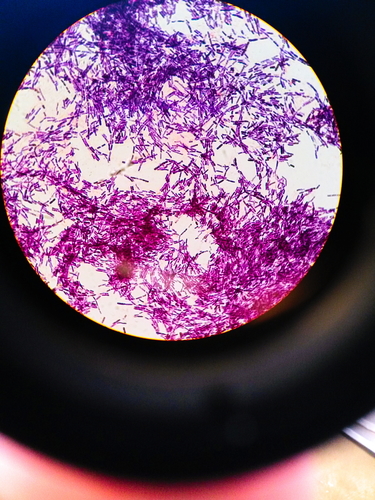
The biopesticide Bacillus thuringiensis provided moderate control of T. absoluta.
- Taxon
- TomatoSolanum lycopersicumt0
- Treatment
- biopesticide Bacillus thuringiensise7
- Interactor
- Tuta absolutaTuta absolutat0pest
- Second interactor
- Bacillus thuringiensis
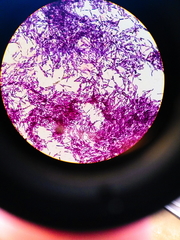 Bacillus thuringiensise7biocontrol_agent
- Outcome
- controle7
- Direction
- moderatee7
Not reportedComparator
Organisms pictured · Representative pictures of the matched species, not figures from the paper.
Verbatim
t0“Tomato Leafminer; Tuta absoluta”
e7“a biopesticide Bacillus thuringiensis provides moderate control”
Claim · model-written summary
The authors conclude that these pesticides give tomato growers tools to control the pest and that judicious use will prolong efficacy and reduce resistance development.
- Taxon
- tomatoSolanum lycopersicume0
- Outcome
- judicious use of these pesticides will prolong the efficacy and reduce resistance developmente0
Organisms pictured · Representative pictures of the matched species, not figures from the paper.
Verbatim
e0“These pesticides offer tomato growers the tools to control the pest and judicious use of these pesticides will prolong the efficacy and reduce resistance development in the pest”
The same questions in other papers
Bacillus thuringiensis · Tuta absoluta · Solanum lycopersicum (tomato)Results agree
9 papers in the same direction as this paper
- positive
- positive
- positive
6 papers more in this group
See all 10 papers →biocontrol · Tuta absoluta · Solanum lycopersicum (tomato)Positive and negative results
9 papers in the same direction as this paper · 1 in the opposite direction
- negative
- positive
- positive
7 papers more in this group
See all 11 papers →insecticide · Tuta absoluta · Solanum lycopersicum (tomato)Positive and negative results
16 papers in the same direction as this paper · 3 in the opposite direction
- positive
- positive
- no effect
16 papers more in this group
See all 20 papers →Claims are grouped by organism, treatment and what was measured or targeted. A paper counts as positive when any of its claims in the group is positive.