Abstract
Exogenous applications of Gibberellin acid in the seventh stage of rice,researches were made on the influence of Gibberellin acid on the quality of rice seeds.Experiment results showed that exogenous applications of Gibberellin acid could reduce rice seed diseases and crack shell,decrease the incidence of Neovossia horrida,lessen the incidence of seed-heads buds of the sterile lines seed production,improve rice seedlings quality.But it also had adverse effect: GA could increase the seed sugar and more easier damaged by rat and finches,and could accelerate rice seed ageing.
Abstract from the paper’s OpenAlex record; open copy licensed cc-by-nc. Read at the source ↗
The text the model read, with the source record’s inline markup (italics, sub- and superscripts) rendered and its character entities decoded; quote offsets refer to the raw text.
Claims 8
Claim · model-written summary
Gibberellin acid reduced rice seed diseases.
- Taxon
- rice
 Oryza sativat0
- Treatment
- Gibberellin acide0
- Outcome
- rice seed diseasese0
- Direction
- reducee0
Not reportedComparator
Organisms pictured · Representative pictures of the matched species, not figures from the paper.

Verbatim
e0“exogenous applications of Gibberellin acid could reduce rice seed diseases”
t0“rice”
Claim · model-written summary
Gibberellin acid reduced rice seed crack shell.
- Taxon
- riceOryza sativat0
- Treatment
- Gibberellin acide0
- Outcome
- crack shelle0
- Direction
- reducee0
Not reportedComparator
Organisms pictured · Representative pictures of the matched species, not figures from the paper.
Verbatim
e0“exogenous applications of Gibberellin acid could reduce rice seed diseases and crack shell”
t0“rice”
Claim · model-written summary
Gibberellin acid decreased Neovossia horrida incidence.
- Taxon
- riceOryza sativat0
- Treatment
- Gibberellin acide1
- Interactor
- Neovossia horrida
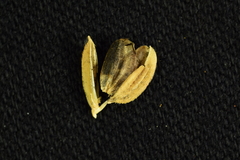 Tilletia horridae0pathogen
- Outcome
- incidence of Neovossia horridae0
- Direction
- decreasee0
Not reportedComparator
Organisms pictured · Representative pictures of the matched species, not figures from the paper.

Verbatim
e0“decrease the incidence of Neovossia horrida”
t0“rice”
e1“exogenous applications of Gibberellin acid could reduce rice seed diseases”
Claim · model-written summary
Gibberellin acid lessened seed-head buds of sterile-line seed production.
- Taxon
- riceOryza sativat0
- Material
- sterile linese0
- Treatment
- Gibberellin acide1
- Outcome
- incidence of seed-heads budse0
- Direction
- lessene0
Not reportedComparator
Organisms pictured · Representative pictures of the matched species, not figures from the paper.
Verbatim
e0“lessen the incidence of seed-heads buds of the sterile lines seed production”
t0“rice”
e1“exogenous applications of Gibberellin acid could reduce rice seed diseases”
Claim · model-written summary
Gibberellin acid improved rice seedling quality.
- Taxon
- riceOryza sativat0
- Treatment
- Gibberellin acide1
- Outcome
- rice seedlings qualitye0
- Direction
- improvee0
Not reportedComparator
Organisms pictured · Representative pictures of the matched species, not figures from the paper.
Verbatim
e0“improve rice seedlings quality”
t0“rice”
e1“exogenous applications of Gibberellin acid could reduce rice seed diseases”
Claim · model-written summary
Gibberellin acid increased rice seed sugar.
- Taxon
- riceOryza sativat0
- Treatment
- Gibberellin acide1
- Outcome
- seed sugare0
- Direction
- increasee0
Not reportedComparator
Organisms pictured · Representative pictures of the matched species, not figures from the paper.
Verbatim
e0“GA could increase the seed sugar”
t0“rice”
e1“exogenous applications of Gibberellin acid could reduce rice seed diseases”
Claim · model-written summary
Gibberellin acid made seeds more vulnerable to rat and finch damage.
- Taxon
- riceOryza sativat0
- Treatment
- Gibberellin acide1
- Second interactor
- finchese0herbivore
- Outcome
- damaged by rat and finchese0
- Direction
- more easiere0
 Rattus
Not reportedComparator
Organisms pictured · Representative pictures of the matched species, not figures from the paper.

Verbatim
e0“more easier damaged by rat and finches”
t0“rice”
e1“exogenous applications of Gibberellin acid could reduce rice seed diseases”
Claim · model-written summary
Gibberellin acid accelerated rice seed ageing.
- Taxon
- riceOryza sativat0
- Treatment
- Gibberellin acide1
- Outcome
- rice seed ageinge0
- Direction
- acceleratee0
Not reportedComparator
Organisms pictured · Representative pictures of the matched species, not figures from the paper.
Verbatim
e0“could accelerate rice seed ageing”
t0“rice”
e1“exogenous applications of Gibberellin acid could reduce rice seed diseases”
The same questions in other papers
class · organism · Oryza sativa (rice)Positive and negative results
2 papers in the same direction as this paper · 2 in the opposite direction
- no effect
- negative
- positive
1 paper more in this group
See all 5 papers →class · disease · Oryza sativa (rice)Results agree
10 papers in the same direction as this paper
- positive
- positive
- positive
7 papers more in this group
See all 11 papers →Claims are grouped by organism, treatment and what was measured or targeted. A paper counts as positive when any of its claims in the group is positive.