Abstract
Sclerotium oryzae, the cause of stem rot of rice, overwinters as sclerotia either free in the soil or in association with rice residue. When residues were incorporated in soil rather than burned, S. oryzae inoculum levels increased, stem rot severity increased, and yields decreased. Inoculum levels remained nearly constant where residues were burned. Under the conditions of this study, the incorporation of residue did not affect rice yield by altering nutrient availability. It was concluded that burning of residue is beneficial in minimizing severity of stem rot disease in areas where it is a problem, and further, that open-field burning is effective in minimizing the buildup of S. oryzae where it presently occurs at inconsequential levels.
Abstract from the paper’s OpenAlex record, shown for indexing and research. Copyright remains with the authors or the publisher. Read at the source ↗
The text the model read, with the source record’s inline markup (italics, sub- and superscripts) rendered and its character entities decoded; quote offsets refer to the raw text.
Claims 7
Claim · model-written summary
Incorporating residue in soil rather than burning it increased S. oryzae inoculum levels in rice.
- Taxon
- rice
 Oryza sativat0
- Treatment
- incorporated in soile1
- Interactor
- S. oryzae
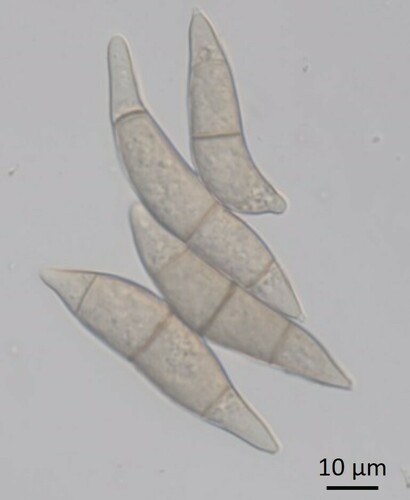
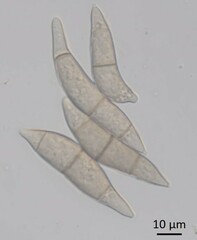 Nakataea oryzaee1pathogen
- Outcome
- S. oryzae inoculum levelse1
- Direction
- increasede1
- Comparator
- burnede1
Organisms pictured · Representative pictures of the matched species, not figures from the paper.

Verbatim
t0“stem rot disease of rice”
e1“When residues were incorporated in soil rather than burned, S. oryzae inoculum levels increased, stem rot severity increased, and yields decreased”
Claim · model-written summary
Incorporating residue in soil rather than burning it increased stem rot severity in rice.
- Taxon
- riceOryza sativat0
- Treatment
- incorporated in soile1
- Interactor
- S. oryzaeNakataea oryzaee1pathogen
- Outcome
- stem rot severitye1
- Direction
- increasede1
- Comparator
- burnede1
Organisms pictured · Representative pictures of the matched species, not figures from the paper.
Verbatim
t0“stem rot disease of rice”
e1“When residues were incorporated in soil rather than burned, S. oryzae inoculum levels increased, stem rot severity increased, and yields decreased”
Claim · model-written summary
Incorporating residue in soil rather than burning it decreased rice yields.
- Taxon
- riceOryza sativat0
- Treatment
- incorporated in soile1
- Outcome
- yieldse1
- Direction
- decreasede1
- Comparator
- burnede1
Organisms pictured · Representative pictures of the matched species, not figures from the paper.
Verbatim
t0“stem rot disease of rice”
e1“When residues were incorporated in soil rather than burned, S. oryzae inoculum levels increased, stem rot severity increased, and yields decreased”
Claim · model-written summary
Burning residue kept S. oryzae inoculum levels nearly constant in rice.
- Taxon
- riceOryza sativat0
- Treatment
- residues were burnede2
- Interactor
- Sclerotium oryzaeNakataea oryzaee0pathogen
- Outcome
- Inoculum levelse2
- Direction
- remained nearly constante2
- Comparator
- incorporated in soile1
Organisms pictured · Representative pictures of the matched species, not figures from the paper.
Verbatim
t0“stem rot disease of rice”
e0“Sclerotium oryzae, the cause of stem rot of rice, overwinters as sclerotia either free in the soil or in association with rice residue”
e1“When residues were incorporated in soil rather than burned, S. oryzae inoculum levels increased, stem rot severity increased, and yields decreased”
e2“Inoculum levels remained nearly constant where residues were burned”
Claim · model-written summary
Incorporating residue did not affect rice yield under the study conditions.
- Taxon
- riceOryza sativat0
- Treatment
- incorporation of residuee3
- Outcome
- rice yielde3
- Direction
- did not affecte3
- Qualifier
- Under the conditions of this studye3
Not reportedComparator
Organisms pictured · Representative pictures of the matched species, not figures from the paper.
Verbatim
t0“stem rot disease of rice”
e3“Under the conditions of this study, the incorporation of residue did not affect rice yield by altering nutrient availability”
Claim · model-written summary
Burning of residue is beneficial in minimizing stem rot severity in rice in areas where it is a problem.
- Taxon
- riceOryza sativat0
- Treatment
- burning of residuee4
- Outcome
- minimizing severity of stem rot diseasee4
- Qualifier
- in areas where it is a probleme4
Organisms pictured · Representative pictures of the matched species, not figures from the paper.
Verbatim
t0“stem rot disease of rice”
e4“burning of residue is beneficial in minimizing severity of stem rot disease in areas where it is a problem”
Claim · model-written summary
Open-field burning is effective in minimizing the buildup of S. oryzae in rice where it presently occurs at inconsequential levels.
- Taxon
- riceOryza sativat0
- Treatment
- open-field burninge5
- Interactor
- S. oryzaeNakataea oryzaee5pathogen
- Outcome
- minimizing the buildup of S. oryzaee5
- Qualifier
- where it presently occurs at inconsequential levelse5
Organisms pictured · Representative pictures of the matched species, not figures from the paper.
Verbatim
t0“stem rot disease of rice”
e5“open-field burning is effective in minimizing the buildup of S. oryzae where it presently occurs at inconsequential levels”
The same questions in other papers
fire · Nakataea oryzae · Oryza sativa (rice)Results agree
2 papers in the same direction as this paper
- positive
- positive
Claims are grouped by organism, treatment and what was measured or targeted. A paper counts as positive when any of its claims in the group is positive.