Abstract
Studies conducted on application of biological insecticide (with and without adjuvants) revealed that Bacillus thuringiensis (Bt) field tests conducted over 3 successive chickpea seasons indicated consistently a significant (p<0.05) increase in yield between the DiPel 2X alone/DiPel + adjuvant treatments and control (.in the 1 year trial the calculated grain yield in Karate and DiPel 2X + pottasium carbonate (K2CO3) treatments were 1822.0 Kg/Ha (the highest) and 1535.0 Kg/Ha, respectively. The grain yield was noted to be 2.0 to 2.5 times higher in all the DiPel 2X + adjuvants treatments as compared to the grain yield (591.0 Kg/Ha) of control, in 2 year trial, the highest calculated grain yield (1157.0 Kg/Ha) and (1022.0 Kg/Ha) were noted in chemical insecticide and DiPel 2X+ Powder milk (P. milk) treatments, respectively. Application of DiPel 2X with adjuvants significantly increased grain yield 4-6 times as compared to control plot yield (171.0 Kg/Ha), and in 3 year trial, the overall calculated grain yield obtained in chemical insecticide (Karate) and DiPel 2X + K2CO3 were 934.0 and 693.0 Kg/Ha, respectively being 3 to 4 times higher than the control grain yield (206.0 Kg/ha). The grain yield in all the Bt treatments was at least 2 to 3 times higher than control plot yield. The application of microbial insecticide (DiPel 2X) @ 1.6 kg Ha (51.2 BIU Ha) alone or with adjuvants costs more than the cost of chemical insecticides application in sub-tropical climate at temperature ranges between 16 to 34°C. The objective behind the use of adjuvant (heavy organic matters other than K2CO3) was to increase the B.t. persistency. Bt field test results indicated that microbial insecticides can be used (with and without adjuvants) for management of H. armigera populations infesting chickpea and their use would reduce reliance on toxic chemical released into the agro-ecosystem of Pakistan. This study in providing an alternate tool with eco-friendly approach as part of an Integrated Insect Pest Management (IIMP) programmes.
Abstract from the paper’s OpenAlex record, shown for indexing and research. Copyright remains with the authors or the publisher. Read at the source ↗
The text the model read, with the source record’s inline markup (italics, sub- and superscripts) rendered and its character entities decoded; quote offsets refer to the raw text.
Claims 13
Claim · model-written summary
Bt biopesticide (DiPel 2X) alone or with adjuvants significantly increased chickpea yield relative to control.
- Taxon
- chickpea
 Cicer arietinumt0
- Treatment
- DiPel 2X alone/DiPel + adjuvante1
- Interactor
- Helicoverpa armigera
 Helicoverpa armigerat0pest
- Second interactor
- Bacillus thuringiensis
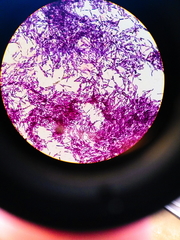 Bacillus thuringiensise1biocontrol_agent
- Outcome
- yielde1
- Direction
- increasee1
- Comparator
- controle1
- Setting
- field testse1
Organisms pictured · Representative pictures of the matched species, not figures from the paper.


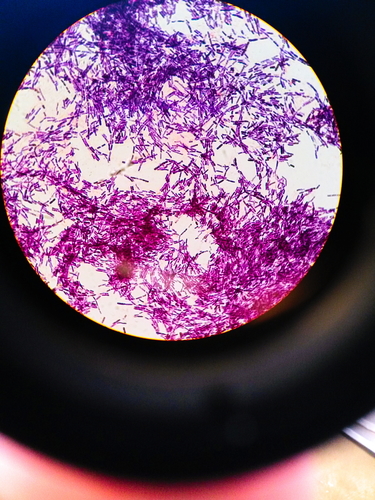
Verbatim
t0“control of chickpea pod borer Helicoverpa armigera”
e1“Bacillus thuringiensis (Bt) field tests conducted over 3 successive chickpea seasons indicated consistently a significant (p<0.05) increase in yield between the DiPel 2X alone/DiPel + adjuvant treatments and control”
Claim · model-written summary
In the 1-year trial, Karate gave the highest chickpea grain yield (1822.0 Kg/Ha).
- Taxon
- chickpeaCicer arietinumt0
- Treatment
- Karatee2
- Interactor
- Helicoverpa armigeraHelicoverpa armigerat0pest
- Outcome
- calculated grain yielde2
- Direction
- the higheste2
- Value
- 1822.0 Kg/Hae2
- Setting
- 1 year triale2
Not reportedComparator
Organisms pictured · Representative pictures of the matched species, not figures from the paper.
Verbatim
t0“control of chickpea pod borer Helicoverpa armigera”
e2“in the 1 year trial the calculated grain yield in Karate and DiPel 2X + pottasium carbonate (K2CO3) treatments were 1822.0 Kg/Ha (the highest) and 1535.0 Kg/Ha, respectively”
Claim · model-written summary
In the 1-year trial, DiPel 2X with potassium carbonate gave a chickpea grain yield of 1535.0 Kg/Ha.
- Taxon
- chickpeaCicer arietinumt0
- Treatment
- DiPel 2X + pottasium carbonate (K2CO3)e2
- Interactor
- Helicoverpa armigeraHelicoverpa armigerat0pest
- Outcome
- calculated grain yielde2
- Value
- 1535.0 Kg/Hae2
- Setting
- 1 year triale2
Not reportedComparatorDirection
Organisms pictured · Representative pictures of the matched species, not figures from the paper.
Verbatim
t0“control of chickpea pod borer Helicoverpa armigera”
e2“in the 1 year trial the calculated grain yield in Karate and DiPel 2X + pottasium carbonate (K2CO3) treatments were 1822.0 Kg/Ha (the highest) and 1535.0 Kg/Ha, respectively”
Claim · model-written summary
DiPel 2X with adjuvants gave 2.0 to 2.5 times higher chickpea grain yield than control.
- Taxon
- chickpeaCicer arietinumt0
- Treatment
- DiPel 2X + adjuvantse3
- Interactor
- Helicoverpa armigeraHelicoverpa armigerat0pest
- Outcome
- grain yielde3
- Direction
- highere3
- Value
- 2.0 to 2.5 timese3
- Qualifier
- 591.0 Kg/Hae3
- Comparator
- controle3
Organisms pictured · Representative pictures of the matched species, not figures from the paper.
Verbatim
t0“control of chickpea pod borer Helicoverpa armigera”
e3“The grain yield was noted to be 2.0 to 2.5 times higher in all the DiPel 2X + adjuvants treatments as compared to the grain yield (591.0 Kg/Ha) of control”
Claim · model-written summary
In the 2-year trial, the chemical insecticide gave the highest chickpea grain yield (1157.0 Kg/Ha).
- Taxon
- chickpeaCicer arietinumt0
- Treatment
- chemical insecticidee4
- Interactor
- Helicoverpa armigeraHelicoverpa armigerat0pest
- Outcome
- calculated grain yielde4
- Direction
- the higheste4
- Value
- 1157.0 Kg/Hae4
- Setting
- 2 year triale4
Not reportedComparator
Organisms pictured · Representative pictures of the matched species, not figures from the paper.
Verbatim
t0“control of chickpea pod borer Helicoverpa armigera”
e4“in 2 year trial, the highest calculated grain yield (1157.0 Kg/Ha) and (1022.0 Kg/Ha) were noted in chemical insecticide and DiPel 2X+ Powder milk (P. milk) treatments, respectively”
Claim · model-written summary
In the 2-year trial, DiPel 2X with powdered milk gave a chickpea grain yield of 1022.0 Kg/Ha.
- Taxon
- chickpeaCicer arietinumt0
- Treatment
- DiPel 2X+ Powder milk (P. milk)e4
- Interactor
- Helicoverpa armigeraHelicoverpa armigerat0pest
- Outcome
- calculated grain yielde4
- Value
- 1022.0 Kg/Hae4
- Setting
- 2 year triale4
Not reportedComparatorDirection
Organisms pictured · Representative pictures of the matched species, not figures from the paper.
Verbatim
t0“control of chickpea pod borer Helicoverpa armigera”
e4“in 2 year trial, the highest calculated grain yield (1157.0 Kg/Ha) and (1022.0 Kg/Ha) were noted in chemical insecticide and DiPel 2X+ Powder milk (P. milk) treatments, respectively”
Claim · model-written summary
DiPel 2X with adjuvants significantly increased chickpea grain yield 4 to 6 times relative to control.
- Taxon
- chickpeaCicer arietinumt0
- Treatment
- Application of DiPel 2X with adjuvantse5
- Interactor
- Helicoverpa armigeraHelicoverpa armigerat0pest
- Outcome
- grain yielde5
- Direction
- significantly increasede5
- Value
- 4-6 timese5
- Qualifier
- 171.0 Kg/Hae5
- Comparator
- control plot yielde5
Organisms pictured · Representative pictures of the matched species, not figures from the paper.
Verbatim
t0“control of chickpea pod borer Helicoverpa armigera”
e5“Application of DiPel 2X with adjuvants significantly increased grain yield 4-6 times as compared to control plot yield (171.0 Kg/Ha)”
Claim · model-written summary
In the 3-year trial, Karate gave a chickpea grain yield of 934.0 Kg/Ha, higher than control.
- Taxon
- chickpeaCicer arietinumt0
- Treatment
- chemical insecticide (Karate)e6
- Interactor
- Helicoverpa armigeraHelicoverpa armigerat0pest
- Outcome
- overall calculated grain yielde6
- Direction
- highere6
- Value
- 934.0e6
- Qualifier
- 206.0 Kg/hae6
- Comparator
- control grain yielde6
- Setting
- 3 year triale6
Organisms pictured · Representative pictures of the matched species, not figures from the paper.
Verbatim
t0“control of chickpea pod borer Helicoverpa armigera”
e6“in 3 year trial, the overall calculated grain yield obtained in chemical insecticide (Karate) and DiPel 2X + K2CO3 were 934.0 and 693.0 Kg/Ha, respectively being 3 to 4 times higher than the control grain yield (206.0 Kg/ha)”
Claim · model-written summary
In the 3-year trial, DiPel 2X with potassium carbonate gave a chickpea grain yield of 693.0 Kg/Ha, higher than control.
- Taxon
- chickpeaCicer arietinumt0
- Treatment
- DiPel 2X + K2CO3e6
- Interactor
- Helicoverpa armigeraHelicoverpa armigerat0pest
- Outcome
- overall calculated grain yielde6
- Direction
- highere6
- Value
- 693.0 Kg/Hae6
- Qualifier
- 206.0 Kg/hae6
- Comparator
- control grain yielde6
- Setting
- 3 year triale6
Organisms pictured · Representative pictures of the matched species, not figures from the paper.
Verbatim
t0“control of chickpea pod borer Helicoverpa armigera”
e6“in 3 year trial, the overall calculated grain yield obtained in chemical insecticide (Karate) and DiPel 2X + K2CO3 were 934.0 and 693.0 Kg/Ha, respectively being 3 to 4 times higher than the control grain yield (206.0 Kg/ha)”
Claim · model-written summary
All Bt treatments gave at least 2 to 3 times higher chickpea grain yield than control plot.
- Taxon
- chickpeaCicer arietinumt0
- Treatment
- all the Bt treatmentse7
- Interactor
- Helicoverpa armigeraHelicoverpa armigerat0pest
- Outcome
- grain yielde7
- Direction
- highere7
- Value
- at least 2 to 3 timese7
- Comparator
- control plot yielde7
Organisms pictured · Representative pictures of the matched species, not figures from the paper.
Verbatim
t0“control of chickpea pod borer Helicoverpa armigera”
e7“The grain yield in all the Bt treatments was at least 2 to 3 times higher than control plot yield”
Claim · model-written summary
DiPel 2X microbial insecticide costs more to apply than chemical insecticides in a sub-tropical climate.
- Taxon
- chickpeaCicer arietinumt0
- Treatment
- microbial insecticide (DiPel 2X) @ 1.6 kg Ha (51.2 BIU Ha)e1
- Interactor
- Helicoverpa armigeraHelicoverpa armigerat0pest
- Outcome
- coste1
- Direction
- costs moree1
- Comparator
- chemical insecticides applicatione1
- Setting
- sub-tropical climatee1
Organisms pictured · Representative pictures of the matched species, not figures from the paper.
Verbatim
t0“control of chickpea pod borer Helicoverpa armigera”
e1“The application of microbial insecticide (DiPel 2X) @ 1.6 kg Ha (51.2 BIU Ha) alone or with adjuvants costs more than the cost of chemical insecticides application in sub-tropical climate”
Claim · model-written summary
Microbial insecticides can be used against H. armigera populations on chickpea.
- Taxon
- chickpeaCicer arietinumt0
- Interactor
- H. armigeraHelicoverpa armigerae1pest
- Outcome
- management of H. armigera populationse1
Organisms pictured · Representative pictures of the matched species, not figures from the paper.
Verbatim
t0“control of chickpea pod borer Helicoverpa armigera”
e1“microbial insecticides can be used (with and without adjuvants) for management of H. armigera populations infesting chickpea”
Claim · model-written summary
Microbial insecticide use would reduce reliance on toxic chemicals on chickpea.
- Taxon
- chickpeaCicer arietinumt0
- Outcome
- reliance on toxic chemicale1
Organisms pictured · Representative pictures of the matched species, not figures from the paper.
Verbatim
t0“control of chickpea pod borer Helicoverpa armigera”
e1“their use would reduce reliance on toxic chemical released into the agro-ecosystem of Pakistan”
The same questions in other papers
adjuvant · Helicoverpa armigera · Cicer arietinum (chickpea)Positive and negative results
1 reporting no difference from an alternative
- no effect
transgenic · Helicoverpa armigera · Cicer arietinum (chickpea)Positive and negative results
9 papers in the same direction as this paper · 1 in the opposite direction
- negative
- positive
- positive
7 papers more in this group
See all 11 papers →insecticide · Helicoverpa armigera · Cicer arietinum (chickpea)Positive and negative results
16 papers in the same direction as this paper · 1 in the opposite direction
- negative
- positive
- positive
14 papers more in this group
See all 18 papers →Claims are grouped by organism, treatment and what was measured or targeted. A paper counts as positive when any of its claims in the group is positive.