Abstract
Field research from 1986 to 1988 evaluated control of alfalfa, dandelion, orchardgrass, and annual weeds in corn with sequential herbicide treatments. Glyphosate applied the previous fall controlled 95% or more of the dandelion and orchardgrass before postemergence treatments. Atrazine applied early preplant or with paraquat the day before planting only partially controlled the perennial species. Atrazine applied postemergence usually controlled vegetation escaping initial treatment except orchardgrass following the atrazine treatments. Adding tridiphane increased weed control with atrazine or cyanazine applied postemergence only when fall panicum was present. Herbicides applied postemergence increased corn yield compared to the initial treatments alone, and few differences among postemergence treatments were observed. Sequential treatments which included glyphosate applied in the fall controlled 82% or more of each perennial species before the next growing season. Orchardgrass control was 81% or less the following spring when the initial treatment was atrazine or atrazine plus paraquat.
Abstract from the paper’s OpenAlex record, shown for indexing and research. Copyright remains with the authors or the publisher. Read at the source ↗
The text the model read, with the source record’s inline markup (italics, sub- and superscripts) rendered and its character entities decoded; quote offsets refer to the raw text.
Claims 11
Claim · model-written summary
Fall glyphosate controlled at least 95% of dandelion before postemergence treatment.
- Taxon
- Corn
 Zea mays subsp. mayst0
- Treatment
- Glyphosate applied the previous falle0
- Interactor
- dandelion
 Taraxacum officinalee0weed
- Outcome
- dandelione0
- Direction
- controllede0
- Value
- 95% or moree0
Not reportedComparator
Organisms pictured · Representative pictures of the matched species, not figures from the paper.

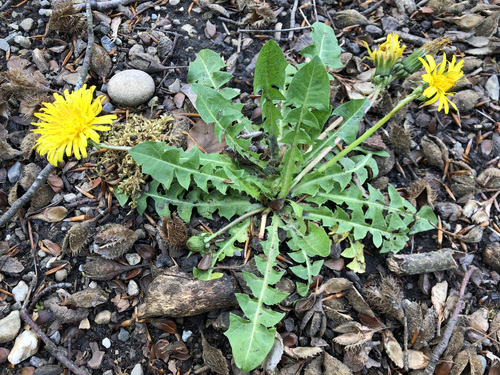
Verbatim
e0“Glyphosate applied the previous fall controlled 95% or more of the dandelion and orchardgrass before postemergence treatments”
t0“Corn (Zea mays)”
Claim · model-written summary
Fall glyphosate controlled at least 95% of orchardgrass before postemergence treatment.
- Taxon
- CornZea mays subsp. mayst0
- Treatment
- Glyphosate applied the previous falle0
- Interactor
- orchardgrass
 Dactylis glomeratae0weed
- Outcome
- orchardgrasse0
- Direction
- controllede0
- Value
- 95% or moree0
Not reportedComparator
Organisms pictured · Representative pictures of the matched species, not figures from the paper.

Verbatim
e0“Glyphosate applied the previous fall controlled 95% or more of the dandelion and orchardgrass before postemergence treatments”
t0“Corn (Zea mays)”
Claim · model-written summary
Early preplant atrazine only partially controlled perennial weeds.
- Taxon
- CornZea mays subsp. mayst0
- Treatment
- Atrazine applied early preplante0
- Outcome
- perennial speciese0
- Direction
- partially controllede0
Not reportedComparator
Organisms pictured · Representative pictures of the matched species, not figures from the paper.
Verbatim
e0“Atrazine applied early preplant or with paraquat the day before planting only partially controlled the perennial species”
t0“Corn (Zea mays)”
Claim · model-written summary
Atrazine with paraquat only partially controlled perennial weeds.
- Taxon
- CornZea mays subsp. mayst0
- Treatment
- Atrazine applied early preplant or with paraquat the day before plantinge0
- Outcome
- perennial speciese0
- Direction
- partially controllede0
Not reportedComparator
Organisms pictured · Representative pictures of the matched species, not figures from the paper.
Verbatim
e0“Atrazine applied early preplant or with paraquat the day before planting only partially controlled the perennial species”
t0“Corn (Zea mays)”
Claim · model-written summary
Postemergence atrazine usually controlled vegetation escaping initial treatment.
- Taxon
- CornZea mays subsp. mayst0
- Treatment
- Atrazine applied postemergencee0
- Outcome
- vegetation escaping initial treatmente0
- Direction
- controllede0
- Qualifier
- except orchardgrass following the atrazine treatmentse0
Not reportedComparator
Organisms pictured · Representative pictures of the matched species, not figures from the paper.
Verbatim
e0“Atrazine applied postemergence usually controlled vegetation escaping initial treatment except orchardgrass following the atrazine treatments”
t0“Corn (Zea mays)”
Claim · model-written summary
Tridiphane improved postemergence weed control with atrazine only when fall panicum was present.
- Taxon
- CornZea mays subsp. mayst0
- Treatment
- Adding tridiphanee0
- Interactor
- fall panicum
 Panicum dichotomiflorume0weed
- Outcome
- weed controle0
- Direction
- increasede0
- Qualifier
- only when fall panicum was presente0
Not reportedComparator
Organisms pictured · Representative pictures of the matched species, not figures from the paper.

Verbatim
e0“Adding tridiphane increased weed control with atrazine or cyanazine applied postemergence only when fall panicum was present”
t0“Corn (Zea mays)”
Claim · model-written summary
Tridiphane improved postemergence weed control with cyanazine only when fall panicum was present.
- Taxon
- CornZea mays subsp. mayst0
- Treatment
- Adding tridiphanee0
- Interactor
- fall panicumPanicum dichotomiflorume0weed
- Outcome
- weed controle0
- Direction
- increasede0
- Qualifier
- only when fall panicum was presente0
Not reportedComparator
Organisms pictured · Representative pictures of the matched species, not figures from the paper.
Verbatim
e0“Adding tridiphane increased weed control with atrazine or cyanazine applied postemergence only when fall panicum was present”
t0“Corn (Zea mays)”
Claim · model-written summary
Postemergence herbicides increased corn yield compared with initial treatments alone.
- Taxon
- cornZea mays subsp. mayse0
- Treatment
- Herbicides applied postemergencee0
- Outcome
- corn yielde0
- Direction
- increasede0
- Comparator
- initial treatments alonee0
Organisms pictured · Representative pictures of the matched species, not figures from the paper.
Verbatim
e0“Herbicides applied postemergence increased corn yield compared to the initial treatments alone”
Claim · model-written summary
Postemergence treatments had few differences in corn yield.
- Taxon
- CornZea mays subsp. mayst0
- Outcome
- differences among postemergence treatmentse0
Organisms pictured · Representative pictures of the matched species, not figures from the paper.
Verbatim
e0“few differences among postemergence treatments were observed”
t0“Corn (Zea mays)”
Claim · model-written summary
Sequential treatment including fall glyphosate controlled at least 82% of perennial species before the next season.
- Taxon
- CornZea mays subsp. mayst0
- Treatment
- Sequential treatments which included glyphosate applied in the falle0
- Outcome
- each perennial speciese0
- Direction
- controllede0
- Value
- 82% or moree0
Not reportedComparator
Organisms pictured · Representative pictures of the matched species, not figures from the paper.
Verbatim
e0“Sequential treatments which included glyphosate applied in the fall controlled 82% or more of each perennial species before the next growing season”
t0“Corn (Zea mays)”
Claim · model-written summary
Initial atrazine or atrazine plus paraquat yielded at most 81% orchardgrass control the following spring.
- Taxon
- CornZea mays subsp. mayst0
- Treatment
- atrazine or atrazine plus paraquate0
- Interactor
- OrchardgrassDactylis glomeratae0weed
- Outcome
- Orchardgrass controle0
- Direction
- or lesse0
- Value
- 81% or lesse0
Not reportedComparator
Organisms pictured · Representative pictures of the matched species, not figures from the paper.
Verbatim
e0“Orchardgrass control was 81% or less the following spring when the initial treatment was atrazine or atrazine plus paraquat”
t0“Corn (Zea mays)”
The same questions in other papers
herbicide · yield · Zea mays (maize)Positive and negative results
499 papers in the same direction as this paper · 127 in the opposite direction · 24 reporting no difference from an alternative
- positive
- negative
- negative
647 papers more in this group
See all 651 papers →Claims are grouped by organism, treatment and what was measured or targeted. A paper counts as positive when any of its claims in the group is positive.