Abstract
The amino acid composition of samples of Irish-grown barley has been investigated using an auto matic analyser. The application of nitrogenous fertiliser (46 lb nitrogen/acre) at the time of sowing significantly increased the crude protein content of barley (variety Proctor) by 2.0 percent (p<0.01) without appreciably altering its amino acid composition. Levels of individual acids varied widely among barley samples with crude protein contents ranging from 6.5 to 12.9 percent. Significant relationships between the amino acids and crude protein content were found for aspartic and glutamic acids, glycine, tyrosine and threonine.
Abstract from the paper’s OpenAlex record, shown for indexing and research. Copyright remains with the authors or the publisher. Read at the source ↗
The text the model read, with the source record’s inline markup (italics, sub- and superscripts) rendered and its character entities decoded; quote offsets refer to the raw text.
Claims 4
Claim · model-written summary
Nitrogen fertilizer increased Proctor barley crude protein by 2.0 percent.
- Taxon
- barley
 Hordeum vulgaree0
- Material
- Proctore0
- Treatment
- nitrogenous fertiliser (46 lb nitrogen/acre)e0
- Outcome
- crude protein content of barleye0
- Direction
- increasede0
- Value
- 2.0 percente0
Not reportedComparator
Organisms pictured · Representative pictures of the matched species, not figures from the paper.

Verbatim
e0“The application of nitrogenous fertiliser (46 lb nitrogen/acre) at the time of sowing significantly increased the crude protein content of barley (variety Proctor) by 2.0 percent (p<0.01)”
Claim · model-written summary
Nitrogen fertilizer did not appreciably alter barley amino acid composition.
- Taxon
- barleyHordeum vulgaree0
- Material
- Proctore0
- Treatment
- nitrogenous fertiliser (46 lb nitrogen/acre)e0
- Outcome
- amino acid compositione0
- Direction
- without appreciably alteringe0
Not reportedComparator
Organisms pictured · Representative pictures of the matched species, not figures from the paper.
Verbatim
e0“The application of nitrogenous fertiliser (46 lb nitrogen/acre) at the time of sowing significantly increased the crude protein content of barley (variety Proctor) by 2.0 percent (p<0.01) without appreciably altering its amino acid composition”
Claim · model-written summary
Individual amino acid levels varied widely across barley samples with 6.5 to 12.9 percent crude protein.
- Taxon
- barleyHordeum vulgaree0
- Compound
- crude proteine0
- Outcome
- Levels of individual acidse0
- Direction
- varied widelye0
- Value
- 6.5 to 12.9 percente0
Organisms pictured · Representative pictures of the matched species, not figures from the paper.
Verbatim
e0“Levels of individual acids varied widely among barley samples with crude protein contents ranging from 6.5 to 12.9 percent”
Claim · model-written summary
Aspartic acid, glutamic acid, glycine, tyrosine and threonine had significant relationships with crude protein content.
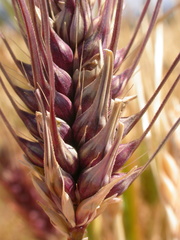 Hordeum
Not reportedDirection
Organisms pictured · Representative pictures of the matched species, not figures from the paper.
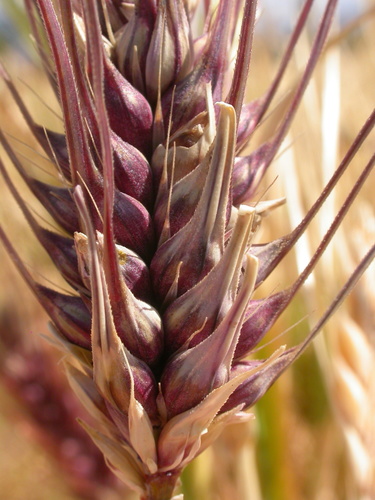
Verbatim
e0“Significant relationships between the amino acids and crude protein content were found for aspartic and glutamic acids, glycine, tyrosine and threonine”
t0“BARLEYS”
The same questions in other papers
nitrogen · quality: general · Hordeum vulgare (barley)Positive and negative results
1 paper in the same direction as this paper · 6 in the opposite direction
- positive
- positive
- positive
4 papers more in this group
See all 8 papers →fertilization · quality: general · Hordeum vulgare (barley)Positive and negative results
5 papers in the same direction as this paper · 9 in the opposite direction
- positive
- positive
- positive
11 papers more in this group
See all 15 papers →nitrogen · quality: protein · Hordeum vulgare (barley)Positive and negative results
65 papers in the same direction as this paper · 6 in the opposite direction
- positive
- negative
- negative
68 papers more in this group
See all 72 papers →fertilization · quality: protein · Hordeum vulgare (barley)Positive and negative results
63 papers in the same direction as this paper · 14 in the opposite direction · 1 reporting no difference from an alternative
- no effect
- negative
- negative
75 papers more in this group
See all 79 papers →Claims are grouped by organism, treatment and what was measured or targeted. A paper counts as positive when any of its claims in the group is positive.