Abstract
Six isolates of Ralstoniasolanacearum were isolated from naturally wilted roots of tomato plants grown in Minufiya governorate. All isolates were pathogenic to tomato plants and produced typical symptoms of wilt. Isolate No. 6 exh ibited the highest virulence followed by isolates No. 4. Characterization of strains of Ralstoniasolanacearum , were performed based on pathogenicity, Biochemical and physiological tests. Pseudomonas aeruginosa , Pseudomonas putida , Bacillus cereus , Pseudomo nas syrinagae , Pseudomonas stutzeri , and Bacillus thuringiensis were isolated from tomato rhizosphere as biocontrol agents and tested against Ralstonia solanacearum (R. solanacearum) in vitro and in vivo . All the bio - control agents test ed reduced the bacterial wilt disease to various degrees. the physiological and biological characters of six isolates revealed similar characters . Under greenhouse conditions, Pseudomonas aeruginosa (P. aeruginosa ) and Bacillus thuringiensis exhibited the h ighest disease reduction of tomato bacterial wilt disease (89%, 86% respectively) followed by P. putida, Bacillus cereus, and P. stutzeri (70%, 68% and 65%) while P. syrinagae showed the lowest disease reduction (61%). Two bacterial strains which showed h ighly antagonistic activity towards tomato bacterial wilt were identified using specific polymerase chain reaction (PCR) of 16S rDNA gene. The 16SrDNA sequence analysis showed that the 1 st strain belongs to the genus Pseudomonas , with closest similarity to Pseudomonasaeruginosa (100% similarity ) . The 2 nd strain identified
Abstract from the paper’s OpenAlex record, shown for indexing and research. Copyright remains with the authors or the publisher. Read at the source ↗
The text the model read, with the source record’s inline markup (italics, sub- and superscripts) rendered and its character entities decoded; quote offsets refer to the raw text.
Claims 11
Claim · model-written summary
Six isolates from wilted tomato roots were pathogenic and caused typical wilt.
- Taxon
- tomato plants
 Solanum lycopersicume0
- Interactor
- Ralstoniasolanacearume0pathogen
- Outcome
- pathogenic to tomato plants and produced typical symptoms of wilte0
- Setting
- Minufiya governoratee0
Organisms pictured · Representative pictures of the matched species, not figures from the paper.

Verbatim
e0“Six isolates of Ralstoniasolanacearum were isolated from naturally wilted roots of tomato plants grown in Minufiya governorate. All isolates were pathogenic to tomato plants and produced typical symptoms of wilt.”
Claim · model-written summary
Isolate No. 6 showed the highest virulence, followed by isolate No. 4.
- Taxon
- Tomato PlantsSolanum lycopersicumt0
- Material
- Isolate No. 6e0
- Outcome
- virulencee0
- Direction
- higheste0
- Comparator
- isolates No. 4e0
Organisms pictured · Representative pictures of the matched species, not figures from the paper.
Verbatim
e0“Isolate No. 6 exh ibited the highest virulence followed by isolates No. 4.”
t0“Tomato Plants”
Claim · model-written summary
All tested biocontrol agents reduced tomato bacterial wilt to varying degrees.
- Taxon
- Tomato PlantsSolanum lycopersicumt0
- Treatment
- bio - control agentse0
- Outcome
- bacterial wilt diseasee0
- Direction
- reducede0
Not reportedComparator
Organisms pictured · Representative pictures of the matched species, not figures from the paper.
Verbatim
e0“All the bio - control agents test ed reduced the bacterial wilt disease to various degrees.”
t0“Tomato Plants”
Claim · model-written summary
Pseudomonas aeruginosa reduced tomato bacterial wilt by 89%.
- Taxon
- Tomato PlantsSolanum lycopersicumt0
- Treatment
- Pseudomonas aeruginosae0
- Interactor
- Pseudomonas aeruginosa
 Pseudomonas aeruginosae0biocontrol_agent
- Outcome
- tomato bacterial wilt diseasee0
- Direction
- reductione0
- Value
- 89%e0
- Setting
- greenhouse conditionse0
Not reportedComparator
Organisms pictured · Representative pictures of the matched species, not figures from the paper.

Verbatim
e0“Under greenhouse conditions, Pseudomonas aeruginosa (P. aeruginosa ) and Bacillus thuringiensis exhibited the h ighest disease reduction of tomato bacterial wilt disease (89%, 86% respectively) followed by P. putida, Bacillus cereus, and P. stutzeri (70%, 68% and 65%) while P. syrinagae showed the lowest disease reduction (61%).”
t0“Tomato Plants”
Claim · model-written summary
Bacillus thuringiensis reduced tomato bacterial wilt by 86%.
- Taxon
- Tomato PlantsSolanum lycopersicumt0
- Treatment
- Bacillus thuringiensise0
- Interactor
- Bacillus thuringiensis
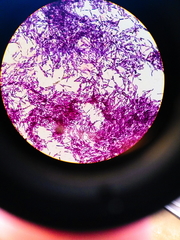 Bacillus thuringiensise0biocontrol_agent
- Outcome
- tomato bacterial wilt diseasee0
- Direction
- reductione0
- Value
- 86%e0
- Setting
- greenhouse conditionse0
Not reportedComparator
Organisms pictured · Representative pictures of the matched species, not figures from the paper.
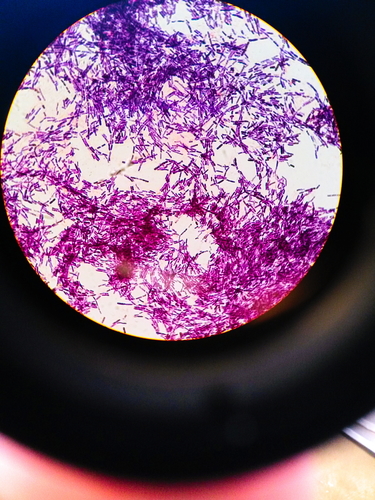
Verbatim
e0“Under greenhouse conditions, Pseudomonas aeruginosa (P. aeruginosa ) and Bacillus thuringiensis exhibited the h ighest disease reduction of tomato bacterial wilt disease (89%, 86% respectively) followed by P. putida, Bacillus cereus, and P. stutzeri (70%, 68% and 65%) while P. syrinagae showed the lowest disease reduction (61%).”
t0“Tomato Plants”
Claim · model-written summary
P. putida reduced tomato bacterial wilt by 70%.
- Taxon
- Tomato PlantsSolanum lycopersicumt0
- Treatment
- P. putidae0
- Interactor
- P. putida
 Pseudomonas putidae0biocontrol_agent
- Outcome
- tomato bacterial wilt diseasee0
- Direction
- reductione0
- Value
- 70%e0
- Setting
- greenhouse conditionse0
Not reportedComparator
Organisms pictured · Representative pictures of the matched species, not figures from the paper.

Verbatim
e0“Under greenhouse conditions, Pseudomonas aeruginosa (P. aeruginosa ) and Bacillus thuringiensis exhibited the h ighest disease reduction of tomato bacterial wilt disease (89%, 86% respectively) followed by P. putida, Bacillus cereus, and P. stutzeri (70%, 68% and 65%) while P. syrinagae showed the lowest disease reduction (61%).”
t0“Tomato Plants”
Claim · model-written summary
Bacillus cereus reduced tomato bacterial wilt by 68%.
- Taxon
- Tomato PlantsSolanum lycopersicumt0
- Treatment
- Bacillus cereuse0
- Interactor
- Bacillus cereus
 Bacillus cereuse0biocontrol_agent
- Outcome
- tomato bacterial wilt diseasee0
- Direction
- reductione0
- Value
- 68%e0
- Setting
- greenhouse conditionse0
Not reportedComparator
Organisms pictured · Representative pictures of the matched species, not figures from the paper.

Verbatim
e0“Under greenhouse conditions, Pseudomonas aeruginosa (P. aeruginosa ) and Bacillus thuringiensis exhibited the h ighest disease reduction of tomato bacterial wilt disease (89%, 86% respectively) followed by P. putida, Bacillus cereus, and P. stutzeri (70%, 68% and 65%) while P. syrinagae showed the lowest disease reduction (61%).”
t0“Tomato Plants”
Claim · model-written summary
P. stutzeri reduced tomato bacterial wilt by 65%.
- Taxon
- Tomato PlantsSolanum lycopersicumt0
- Treatment
- P. stutzerie0
- Interactor
- P. stutzerie0biocontrol_agent
- Outcome
- tomato bacterial wilt diseasee0
- Direction
- reductione0
- Value
- 65%e0
- Setting
- greenhouse conditionse0
Not reportedComparator
Organisms pictured · Representative pictures of the matched species, not figures from the paper.
Verbatim
e0“Under greenhouse conditions, Pseudomonas aeruginosa (P. aeruginosa ) and Bacillus thuringiensis exhibited the h ighest disease reduction of tomato bacterial wilt disease (89%, 86% respectively) followed by P. putida, Bacillus cereus, and P. stutzeri (70%, 68% and 65%) while P. syrinagae showed the lowest disease reduction (61%).”
t0“Tomato Plants”
Claim · model-written summary
P. syrinagae reduced tomato bacterial wilt by 61%.
- Taxon
- Tomato PlantsSolanum lycopersicumt0
- Treatment
- P. syrinagaee0
- Interactor
- P. syrinagaee0biocontrol_agent
- Outcome
- tomato bacterial wilt diseasee0
- Direction
- reductione0
- Value
- 61%e0
- Setting
- greenhouse conditionse0
Not reportedComparator
Organisms pictured · Representative pictures of the matched species, not figures from the paper.
Verbatim
e0“Under greenhouse conditions, Pseudomonas aeruginosa (P. aeruginosa ) and Bacillus thuringiensis exhibited the h ighest disease reduction of tomato bacterial wilt disease (89%, 86% respectively) followed by P. putida, Bacillus cereus, and P. stutzeri (70%, 68% and 65%) while P. syrinagae showed the lowest disease reduction (61%).”
t0“Tomato Plants”
Claim · model-written summary
Six pathogen isolates had similar physiological and biological characters.
- Taxon
- Tomato PlantsSolanum lycopersicumt0
- Outcome
- similar characterse0
Organisms pictured · Representative pictures of the matched species, not figures from the paper.
Verbatim
e0“the physiological and biological characters of six isolates revealed similar characters”
t0“Tomato Plants”
Claim · model-written summary
One antagonistic strain matched Pseudomonasaeruginosa at 100% sequence similarity.
- Taxon
- Tomato PlantsSolanum lycopersicumt0
- Outcome
- closest similarity to Pseudomonasaeruginosae0
- Value
- 100% similaritye0
Organisms pictured · Representative pictures of the matched species, not figures from the paper.
Verbatim
e0“The 16SrDNA sequence analysis showed that the 1 st strain belongs to the genus Pseudomonas , with closest similarity to Pseudomonasaeruginosa (100% similarity )”
t0“Tomato Plants”
The same questions in other papers
Pseudomonas putida · disease · Solanum lycopersicum (tomato)Positive and negative results
5 papers in the same direction as this paper · 1 in the opposite direction
- positive
- no effect
- positive
3 papers more in this group
See all 7 papers →Pseudomonas aeruginosa · disease · Solanum lycopersicum (tomato)Results agree
2 papers in the same direction as this paper
- positive
- positive
Bacillus thuringiensis · disease · Solanum lycopersicum (tomato)Results agree
4 papers in the same direction as this paper
- positive
- positive
- positive
1 paper more in this group
See all 5 papers →Bacillus cereus · disease · Solanum lycopersicum (tomato)Results agree
5 papers in the same direction as this paper
- positive
- positive
- positive
2 papers more in this group
See all 6 papers →Claims are grouped by organism, treatment and what was measured or targeted. A paper counts as positive when any of its claims in the group is positive.