Abstract
Three field trials were conducted from August 2007 till December 2007, October 2007 till January 2008* and February 2008 till April 2008 at the Vegetable Research Station in Anse Boileau, Seychelles to evaluate the efficacy of one botanical and one biological method for controlling the diamondback moth (Plutella xylostella L.) in cabbage (Brassica oleracea varcapitata L.) under open field conditions. The treatments were Thuricide (Bacillus thuringiensis), garlic extract and the control repeated four times in a randomized complete block design. The results showed significant differences between treatment plots, where Thuricide was applied as compared to the other two treatments. The means percentage of head damage in the first two trials for Thuricide treatments was significantly lower (9, 10%) compared to garlic extract (89, 90%) and the control (94, 98%). In the third trial, the non-treated plots obtained a maximum mean percentage of head damage of 92%, followed by 74% for garlic extract and 13% for Thuricide application. These results demonstrated that the Thuricide application is effective for controlling the diamondback moth pest on cabbage. Key words: Thuricide, diamondback moth, cabbage, pest.
Abstract from the paper’s OpenAlex record, shown for indexing and research. Copyright remains with the authors or the publisher. Read at the source ↗
The text the model read, with the source record’s inline markup (italics, sub- and superscripts) rendered and its character entities decoded; quote offsets refer to the raw text.
Claims 6
Claim · model-written summary
In the first two trials, Thuricide treatments significantly lowered cabbage head damage (9, 10%) compared with garlic extract.
- Taxon
- cabbage
 Brassica oleracea var. capitatae0
- Treatment
- Thuricide treatmentse2
- Interactor
- Plutella xylostella
 Plutella xylostellae0pest
- Second interactor
- Bacillus thuringiensis
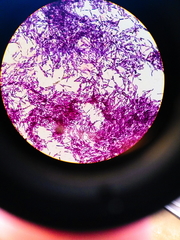 Bacillus thuringiensise1biocontrol_agent
- Outcome
- percentage of head damage in the first two trialse2
- Direction
- significantly lowere2
- Value
- 9, 10%e2
- Qualifier
- garlic extract (89, 90%)e2
- Comparator
- garlic extracte2
- Setting
- open field conditionse0
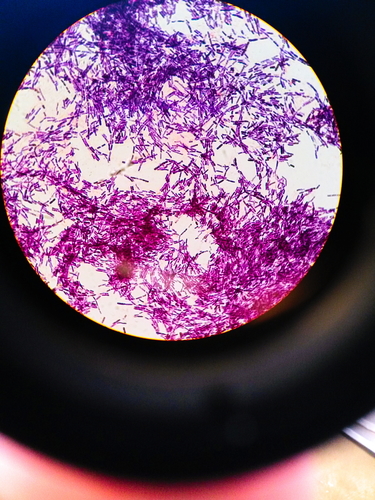
Organisms pictured · Representative pictures of the matched species, not figures from the paper.


Verbatim
e0“to evaluate the efficacy of one botanical and one biological method for controlling the diamondback moth (Plutella xylostella L.) in cabbage (Brassica oleracea varcapitata L.) under open field conditions”
e1“The treatments were Thuricide (Bacillus thuringiensis), garlic extract and the control repeated four times”
e2“The means percentage of head damage in the first two trials for Thuricide treatments was significantly lower (9, 10%) compared to garlic extract (89, 90%) and the control (94, 98%)”
Claim · model-written summary
In the first two trials, Thuricide treatments significantly lowered cabbage head damage (9, 10%) compared with the control.
- Taxon
- cabbageBrassica oleracea var. capitatae0
- Treatment
- Thuricide treatmentse2
- Interactor
- Plutella xylostellaPlutella xylostellae0pest
- Second interactor
- Bacillus thuringiensisBacillus thuringiensise1biocontrol_agent
- Outcome
- percentage of head damage in the first two trialse2
- Direction
- significantly lowere2
- Value
- 9, 10%e2
- Qualifier
- control (94, 98%)e2
- Comparator
- the controle2
- Setting
- open field conditionse0
Organisms pictured · Representative pictures of the matched species, not figures from the paper.
Verbatim
e0“to evaluate the efficacy of one botanical and one biological method for controlling the diamondback moth (Plutella xylostella L.) in cabbage (Brassica oleracea varcapitata L.) under open field conditions”
e1“The treatments were Thuricide (Bacillus thuringiensis), garlic extract and the control repeated four times”
e2“The means percentage of head damage in the first two trials for Thuricide treatments was significantly lower (9, 10%) compared to garlic extract (89, 90%) and the control (94, 98%)”
Claim · model-written summary
In the third trial, Thuricide application reduced cabbage head damage to 13%, compared with non-treated plots.
- Taxon
- cabbageBrassica oleracea var. capitatae0
- Treatment
- Thuricide applicatione3
- Interactor
- Plutella xylostellaPlutella xylostellae0pest
- Second interactor
- Bacillus thuringiensisBacillus thuringiensise1biocontrol_agent
- Outcome
- percentage of head damagee3
- Direction
- lowerinferrede3
- Value
- 13%e3
- Qualifier
- In the third triale3
- Comparator
- non-treated plotse3
Organisms pictured · Representative pictures of the matched species, not figures from the paper.
Verbatim
e0“to evaluate the efficacy of one botanical and one biological method for controlling the diamondback moth (Plutella xylostella L.) in cabbage (Brassica oleracea varcapitata L.) under open field conditions”
e1“The treatments were Thuricide (Bacillus thuringiensis), garlic extract and the control repeated four times”
e3“In the third trial, the non-treated plots obtained a maximum mean percentage of head damage of 92%, followed by 74% for garlic extract and 13% for Thuricide application”
Claim · model-written summary
In the third trial, garlic extract reduced cabbage head damage to 74%, compared with non-treated plots.
- Taxon
- cabbageBrassica oleracea var. capitatae0
- Treatment
- garlic extracte3
- Interactor
- Plutella xylostellaPlutella xylostellae0pest
- Outcome
- percentage of head damagee3
- Direction
- lowerinferrede3
- Value
- 74%e3
- Qualifier
- In the third triale3
- Comparator
- non-treated plotse3
Organisms pictured · Representative pictures of the matched species, not figures from the paper.
Verbatim
e0“to evaluate the efficacy of one botanical and one biological method for controlling the diamondback moth (Plutella xylostella L.) in cabbage (Brassica oleracea varcapitata L.) under open field conditions”
e3“In the third trial, the non-treated plots obtained a maximum mean percentage of head damage of 92%, followed by 74% for garlic extract and 13% for Thuricide application”
Claim · model-written summary
In the third trial, non-treated cabbage plots had a maximum mean head damage of 92%.
- Taxon
- cabbageBrassica oleracea var. capitatae0
- Interactor
- Plutella xylostellaPlutella xylostellae0pest
- Outcome
- percentage of head damagee3
- Direction
- maximume3
- Value
- 92%e3
- Qualifier
- In the third triale3
Organisms pictured · Representative pictures of the matched species, not figures from the paper.
Verbatim
e0“to evaluate the efficacy of one botanical and one biological method for controlling the diamondback moth (Plutella xylostella L.) in cabbage (Brassica oleracea varcapitata L.) under open field conditions”
e3“In the third trial, the non-treated plots obtained a maximum mean percentage of head damage of 92%, followed by 74% for garlic extract and 13% for Thuricide application”
Claim · model-written summary
The authors conclude that Thuricide application is effective for controlling diamondback moth on cabbage.
- Taxon
- cabbageBrassica oleracea var. capitatae0
- Treatment
- Thuricide applicatione4
- Interactor
- diamondback mothPlutella xylostellae4pest
- Outcome
- controlling the diamondback moth peste4
- Direction
- effectivee4
Organisms pictured · Representative pictures of the matched species, not figures from the paper.
Verbatim
e0“to evaluate the efficacy of one botanical and one biological method for controlling the diamondback moth (Plutella xylostella L.) in cabbage (Brassica oleracea varcapitata L.) under open field conditions”
e4“These results demonstrated that the Thuricide application is effective for controlling the diamondback moth pest on cabbage”
The same questions in other papers
Allium sativum · Plutella xylostella · Brassica oleracea (wild cabbage)Results agree
3 papers in the same direction as this paper
- positive
- positive
- positive
botanical · Plutella xylostella · Brassica oleracea (wild cabbage)Positive and negative results
22 papers in the same direction as this paper · 3 in the opposite direction
- no effect
- negative
- negative
22 papers more in this group
See all 26 papers →Claims are grouped by organism, treatment and what was measured or targeted. A paper counts as positive when any of its claims in the group is positive.