Abstract
Abstract: Field trials evaluating the potential of the entomopathogenic nematode Steinernema carpocapsae and the feasibility to combine nematodes with Bacillus thuringiensis for sustainable control of the diamondback moth (DBM) Plutella xylostella were conducted in cabbage cultivated in the province Probolinggo, east Java and Indonesia. A single use of 0.5 million S. carpocapsae m −2 applied with a surfactant‐polymer‐formulation containing 0.3% xanthan and 0.3% Rimulgan ® achieved a significant reduction of the insects per plant with >50% control after 7 days. Even 14 days after the application about 45% control was recorded and dead larvae containing nematodes were found. No significant effects were recorded when the formulation was compared with nematodes applied in water or with a surfactant alone. This was attributed to high humidity in the experimental area at the end of the rainy season and a microclimate in the cabbage heads favouring nematode survival. Weekly applications of B. thuringiensis (Turex ® ) or alternating applications of Turex ® and the nematodes achieved >80% control. The application of both biological agents together every second week reached insignificant lower efficacy (70%). Nematodes can be used to substitute ineffective chemical insecticides and alterations with B. thuringiensis can prevent the further development of resistance against the bacterial control agent.
Abstract from the paper’s OpenAlex record, shown for indexing and research. Copyright remains with the authors or the publisher. Read at the source ↗
The text the model read, with the source record’s inline markup (italics, sub- and superscripts) rendered and its character entities decoded; quote offsets refer to the raw text.
Claims 9
Claim · model-written summary
Formulated S. carpocapsae reduced Plutella xylostella insects per cabbage plant by over 50% after seven days.
- Taxon
- cabbage
 Brassica oleracea var. capitatat0
- Treatment
- 0.5 million S. carpocapsae m −2 applied with a surfactant‐polymer‐formulation containing 0.3% xanthan and 0.3% Rimulgan ®e0
- Interactor
- S. carpocapsae
Steinernema carpocapsaee0biocontrol_agent
- Outcome
- insects per plante0
- Direction
- reductione0
- Value
- >50%e0
Not reportedComparator
Organisms pictured · Representative pictures of the matched species, not figures from the paper.

Verbatim
e0“A single use of 0.5 million S. carpocapsae m −2 applied with a surfactant‐polymer‐formulation containing 0.3% xanthan and 0.3% Rimulgan ® achieved a significant reduction of the insects per plant with >50% control after 7 days.”
t0“cabbage fields”
Claim · model-written summary
The nematode application gave about 45% control after 14 days.
- Taxon
- cabbageBrassica oleracea var. capitatat0
- Treatment
- the applicatione0
- Outcome
- controle0
- Value
- 45%e0
- Qualifier
- 14 days after the applicatione0
Not reportedComparatorDirection
Organisms pictured · Representative pictures of the matched species, not figures from the paper.
Verbatim
e0“Even 14 days after the application about 45% control was recorded and dead larvae containing nematodes were found.”
t0“cabbage fields”
Claim · model-written summary
Dead larvae containing nematodes were found after application.
- Taxon
- cabbageBrassica oleracea var. capitatat0
- Outcome
- dead larvae containing nematodes were founde0
Organisms pictured · Representative pictures of the matched species, not figures from the paper.
Verbatim
e0“Even 14 days after the application about 45% control was recorded and dead larvae containing nematodes were found.”
t0“cabbage fields”
Claim · model-written summary
The formulation did not differ significantly from nematodes in water or surfactant alone.
- Taxon
- cabbageBrassica oleracea var. capitatat0
- Treatment
- the formulatione0
- Outcome
- effectse0
- Comparator
- nematodes applied in water or with a surfactant alonee0
Not reportedDirection
Organisms pictured · Representative pictures of the matched species, not figures from the paper.
Verbatim
e0“No significant effects were recorded when the formulation was compared with nematodes applied in water or with a surfactant alone.”
t0“cabbage fields”
Claim · model-written summary
Weekly applications of B. thuringiensis (Turex ® ) achieved over 80% control.
- Taxon
- cabbageBrassica oleracea var. capitatat0
- Treatment
- Weekly applications of B. thuringiensis (Turex ® )e0
- Interactor
- B. thuringiensis
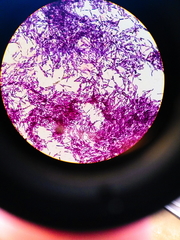 Bacillus thuringiensise0biocontrol_agent
- Outcome
- controle0
- Value
- >80%e0
Not reportedComparatorDirection
Organisms pictured · Representative pictures of the matched species, not figures from the paper.
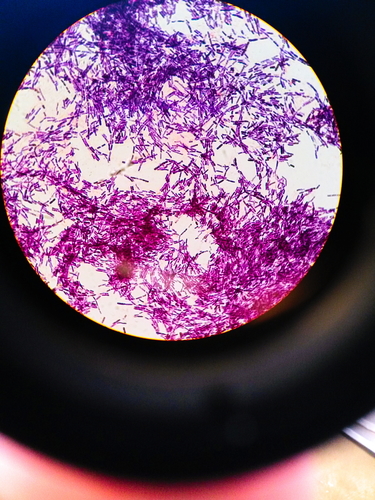
Verbatim
e0“Weekly applications of B. thuringiensis (Turex ® ) or alternating applications of Turex ® and the nematodes achieved >80% control.”
t0“cabbage fields”
Claim · model-written summary
alternating applications of Turex ® and the nematodes achieved over 80% control.
- Taxon
- cabbageBrassica oleracea var. capitatat0
- Treatment
- alternating applications of Turex ® and the nematodese0
- Interactor
- B. thuringiensisBacillus thuringiensise0biocontrol_agent
- Outcome
- controle0
- Value
- >80%e0
Not reportedComparatorDirection
Organisms pictured · Representative pictures of the matched species, not figures from the paper.
Verbatim
e0“Weekly applications of B. thuringiensis (Turex ® ) or alternating applications of Turex ® and the nematodes achieved >80% control.”
t0“cabbage fields”
Claim · model-written summary
Applying both biological agents every second week had 70% efficacy, insignificantly lower.
- Taxon
- cabbageBrassica oleracea var. capitatat0
- Treatment
- both biological agents together every second weeke0
- Outcome
- efficacye0
- Direction
- lowere0
- Value
- 70%e0
Not reportedComparator
Organisms pictured · Representative pictures of the matched species, not figures from the paper.
Verbatim
e0“The application of both biological agents together every second week reached insignificant lower efficacy (70%).”
t0“cabbage fields”
Claim · model-written summary
Nematodes can substitute for ineffective chemical insecticides.
- Taxon
- cabbageBrassica oleracea var. capitatat0
- Outcome
- Nematodes can be used to substitute ineffective chemical insecticidese0
Organisms pictured · Representative pictures of the matched species, not figures from the paper.
Verbatim
e0“Nematodes can be used to substitute ineffective chemical insecticides and alterations with B. thuringiensis can prevent the further development of resistance against the bacterial control agent.”
t0“cabbage fields”
Claim · model-written summary
Alternation with B. thuringiensis can prevent further resistance development.
- Taxon
- cabbageBrassica oleracea var. capitatat0
- Interactor
- B. thuringiensisBacillus thuringiensise0biocontrol_agent
- Outcome
- alterations with B. thuringiensis can prevent the further development of resistancee0
Organisms pictured · Representative pictures of the matched species, not figures from the paper.
Verbatim
e0“Nematodes can be used to substitute ineffective chemical insecticides and alterations with B. thuringiensis can prevent the further development of resistance against the bacterial control agent.”
t0“cabbage fields”
The same questions in other papers
Steinernema carpocapsae · pest · Brassica oleracea (wild cabbage)Results agree
2 papers in the same direction as this paper
- positive
- positive
Bacillus thuringiensis · control · Brassica oleracea (wild cabbage)Results agree
6 papers in the same direction as this paper
- positive
- positive
- positive
3 papers more in this group
See all 7 papers →Claims are grouped by organism, treatment and what was measured or targeted. A paper counts as positive when any of its claims in the group is positive.