Abstract
The study evaluated the effect of Bacillus thuringiensis (Bt) and Trichoderma asperellum (Ta) as biostimulants in hydroponically grown tendril pea (Pisum sativum) microgreens. A completely randomized experimental design was conducted under controlled conditions; the study included the root pea-spraying treatment with Bt, Ta, and their combination, alongside a non-inoculated control. The results showed that treatments with Ta significantly enhanced growth parameters, such as stem length and diameter, stipular leaf area, and fresh weight of the microgreens. Specifically, fresh biomass increased by 140% and dry biomass by 80% with Ta compared to the control, while combined treatment with Bt and Ta reduced nitrates by 39.6%. Bt and Bt + Ta increased chlorophyll b and carotenoids contents, suggesting improved photosynthetic activity. No significant differences in visual appearance were observed. In conclusion, the application of Ta and Bt can enhance tendril pea microgreens’ yield and certain biochemical (chlorophyll b and carotenoids) qualities without affecting their visual quality, supporting the application of these microorganisms as biostimulants. These findings underscore the potential to scale these treatments in commercial hydroponic systems, offering a sustainable approach to optimizing the production of this emerging crop type.
Abstract from the paper’s OpenAlex record; open copy licensed cc-by. Read at the source ↗
The text the model read, with the source record’s inline markup (italics, sub- and superscripts) rendered and its character entities decoded; quote offsets refer to the raw text.
Claims 8
Claim · model-written summary
Trichoderma asperellum significantly enhanced growth parameters (stem length and diameter, stipular leaf area) of tendril pea microgreens relative to the non-inoculated control.
- Taxon
- tendril pea (Pisum sativum)
 Lathyrus oleraceuse0
- Treatment
- Trichoderma asperellume0
- Interactor
- Trichoderma asperellum
 Trichoderma asperellume0other
- Outcome
- stem length and diameter, stipular leaf areae2
- Direction
- significantly enhancede2
- Comparator
- non-inoculated controle1
Organisms pictured · Representative pictures of the matched species, not figures from the paper.


Verbatim
e0“The study evaluated the effect of Bacillus thuringiensis (Bt) and Trichoderma asperellum (Ta) as biostimulants in hydroponically grown tendril pea (Pisum sativum) microgreens”
e1“alongside a non-inoculated control”
e2“treatments with Ta significantly enhanced growth parameters, such as stem length and diameter, stipular leaf area, and fresh weight of the microgreens”
Claim · model-written summary
Trichoderma asperellum increased fresh biomass of tendril pea microgreens by 140% compared with the control.
- Taxon
- tendril pea (Pisum sativum)Lathyrus oleraceuse0
- Treatment
- Trichoderma asperellume0
- Interactor
- Trichoderma asperellumTrichoderma asperellume0other
- Outcome
- fresh biomasse3
- Direction
- increasede3
- Value
- 140%e3
- Comparator
- controle3
Organisms pictured · Representative pictures of the matched species, not figures from the paper.
Verbatim
e0“The study evaluated the effect of Bacillus thuringiensis (Bt) and Trichoderma asperellum (Ta) as biostimulants in hydroponically grown tendril pea (Pisum sativum) microgreens”
e3“Specifically, fresh biomass increased by 140% and dry biomass by 80% with Ta compared to the control”
Claim · model-written summary
Trichoderma asperellum increased dry biomass of tendril pea microgreens by 80% compared with the control.
- Taxon
- tendril pea (Pisum sativum)Lathyrus oleraceuse0
- Treatment
- Trichoderma asperellume0
- Interactor
- Trichoderma asperellumTrichoderma asperellume0other
- Outcome
- dry biomasse3
- Direction
- increasede3
- Value
- 80%e3
- Comparator
- controle3
Organisms pictured · Representative pictures of the matched species, not figures from the paper.
Verbatim
e0“The study evaluated the effect of Bacillus thuringiensis (Bt) and Trichoderma asperellum (Ta) as biostimulants in hydroponically grown tendril pea (Pisum sativum) microgreens”
e3“Specifically, fresh biomass increased by 140% and dry biomass by 80% with Ta compared to the control”
Claim · model-written summary
Combined treatment with Bt and Ta reduced nitrates in tendril pea microgreens by 39.6%.
- Taxon
- tendril pea (Pisum sativum)Lathyrus oleraceuse0
- Treatment
- combined treatment with Bt and Tae4
- Interactor
- Bacillus thuringiensis
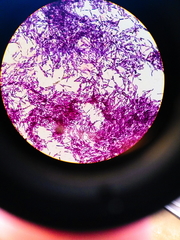 Bacillus thuringiensise0other
- Second interactor
- Trichoderma asperellumTrichoderma asperellume0other
- Outcome
- nitratese4
- Direction
- reducede4
- Value
- 39.6%e4
- Comparator
- non-inoculated controle1
Organisms pictured · Representative pictures of the matched species, not figures from the paper.
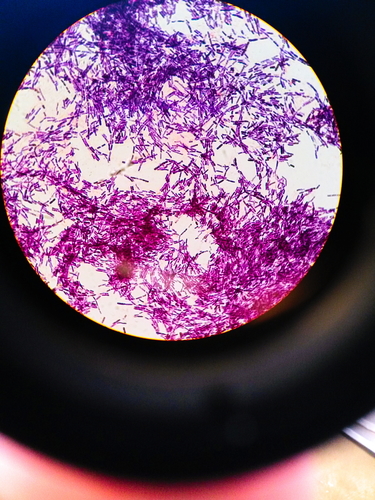
Verbatim
e0“The study evaluated the effect of Bacillus thuringiensis (Bt) and Trichoderma asperellum (Ta) as biostimulants in hydroponically grown tendril pea (Pisum sativum) microgreens”
e1“alongside a non-inoculated control”
e4“while combined treatment with Bt and Ta reduced nitrates by 39.6%”
Claim · model-written summary
Bt and Bt + Ta increased chlorophyll b and carotenoid contents of tendril pea microgreens.
- Taxon
- tendril pea (Pisum sativum)Lathyrus oleraceuse0
- Treatment
- Bt and Bt + Tae5
- Interactor
- Bacillus thuringiensisBacillus thuringiensise0other
- Outcome
- chlorophyll b and carotenoids contentse5
- Direction
- increasede5
- Comparator
- non-inoculated controle1
Organisms pictured · Representative pictures of the matched species, not figures from the paper.
Verbatim
e0“The study evaluated the effect of Bacillus thuringiensis (Bt) and Trichoderma asperellum (Ta) as biostimulants in hydroponically grown tendril pea (Pisum sativum) microgreens”
e1“alongside a non-inoculated control”
e5“Bt and Bt + Ta increased chlorophyll b and carotenoids contents, suggesting improved photosynthetic activity”
Claim · model-written summary
Bt and Bt + Ta treatments suggest improved photosynthetic activity in tendril pea microgreens.
- Taxon
- tendril pea (Pisum sativum)Lathyrus oleraceuse0
- Treatment
- Bt and Bt + Tae5
- Outcome
- improved photosynthetic activitye5
Organisms pictured · Representative pictures of the matched species, not figures from the paper.
Verbatim
e0“The study evaluated the effect of Bacillus thuringiensis (Bt) and Trichoderma asperellum (Ta) as biostimulants in hydroponically grown tendril pea (Pisum sativum) microgreens”
e5“Bt and Bt + Ta increased chlorophyll b and carotenoids contents, suggesting improved photosynthetic activity”
Claim · model-written summary
No significant differences in visual appearance were observed among the treatments of tendril pea microgreens.
- Taxon
- tendril pea (Pisum sativum)Lathyrus oleraceuse0
- Outcome
- visual appearancee6
Organisms pictured · Representative pictures of the matched species, not figures from the paper.
Verbatim
e0“The study evaluated the effect of Bacillus thuringiensis (Bt) and Trichoderma asperellum (Ta) as biostimulants in hydroponically grown tendril pea (Pisum sativum) microgreens”
e6“No significant differences in visual appearance were observed”
Claim · model-written summary
Application of Ta and Bt can enhance yield and biochemical (chlorophyll b and carotenoids) qualities of tendril pea microgreens without affecting their visual quality.
Verbatim
e7“the application of Ta and Bt can enhance tendril pea microgreens’ yield and certain biochemical (chlorophyll b and carotenoids) qualities without affecting their visual quality”
The same questions in other papers
Trichoderma asperellum · growth · Lathyrus oleraceus (pea)Results agree
3 papers in the same direction as this paper
- positive
- positive
- positive
Claims are grouped by organism, treatment and what was measured or targeted. A paper counts as positive when any of its claims in the group is positive.