Abstract
AbstractAmongst different pesticides evaluated, flonicamid 50 WG @ 0.015%, thiamethoxam 25 WG @ 0.010% and chlorfenapyr 10 SC @ 0.015% were found most effective against aphid, Aphis craccivora population and also gave higher grain yield of cowpea, Vigna unguiculata (L.). Among the effect of different pesticides against ladybird beetle (adult and grub) and syrphid fly (maggot), Lecanicillium lecanii 1.15 WP (2 × 10⁹ cfu/g) @ 0.004%, Lantana camera leaf extract @ 10% has showed relatively safer as compared with the other pesticides on the basis of natural enemies. Based on PCBR, the highest return was obtained with the treatment of thiamethoxam 25 WG @ 0.010% as compared with the other pesticides.
Abstract from the paper’s OpenAlex record, shown for indexing and research. Copyright remains with the authors or the publisher. Read at the source ↗
The text the model read, with the source record’s inline markup (italics, sub- and superscripts) rendered and its character entities decoded; quote offsets refer to the raw text.
Claims 9
Claim · model-written summary
Flonicamid was among the most effective pesticides against cowpea aphids.
- Taxon
- cowpea
 Vigna unguiculatae0
- Treatment
- flonicamid 50 WG @ 0.015%e0
- Interactor
- Aphis craccivora
 Aphis craccivorae0pest
- Outcome
- Aphis craccivora populatione0
- Direction
- most effectivee0
Not reportedComparator
Organisms pictured · Representative pictures of the matched species, not figures from the paper.


Verbatim
e0“flonicamid 50 WG @ 0.015%, thiamethoxam 25 WG @ 0.010% and chlorfenapyr 10 SC @ 0.015% were found most effective against aphid, Aphis craccivora population and also gave higher grain yield of cowpea, Vigna unguiculata (L.).”
Claim · model-written summary
Thiamethoxam was among the most effective pesticides against cowpea aphids.
- Taxon
- cowpeaVigna unguiculatae0
- Treatment
- thiamethoxam 25 WG @ 0.010%e0
- Interactor
- Aphis craccivoraAphis craccivorae0pest
- Outcome
- Aphis craccivora populatione0
- Direction
- most effectivee0
Not reportedComparator
Organisms pictured · Representative pictures of the matched species, not figures from the paper.
Verbatim
e0“flonicamid 50 WG @ 0.015%, thiamethoxam 25 WG @ 0.010% and chlorfenapyr 10 SC @ 0.015% were found most effective against aphid, Aphis craccivora population and also gave higher grain yield of cowpea, Vigna unguiculata (L.).”
Claim · model-written summary
Chlorfenapyr was among the most effective pesticides against cowpea aphids.
- Taxon
- cowpeaVigna unguiculatae0
- Treatment
- chlorfenapyr 10 SC @ 0.015%e0
- Interactor
- Aphis craccivoraAphis craccivorae0pest
- Outcome
- Aphis craccivora populatione0
- Direction
- most effectivee0
Not reportedComparator
Organisms pictured · Representative pictures of the matched species, not figures from the paper.
Verbatim
e0“flonicamid 50 WG @ 0.015%, thiamethoxam 25 WG @ 0.010% and chlorfenapyr 10 SC @ 0.015% were found most effective against aphid, Aphis craccivora population and also gave higher grain yield of cowpea, Vigna unguiculata (L.).”
Claim · model-written summary
Flonicamid gave higher cowpea grain yield.
- Taxon
- cowpeaVigna unguiculatae0
- Treatment
- flonicamid 50 WG @ 0.015%e0
- Outcome
- grain yielde0
- Direction
- highere0
Not reportedComparator
Organisms pictured · Representative pictures of the matched species, not figures from the paper.
Verbatim
e0“flonicamid 50 WG @ 0.015%, thiamethoxam 25 WG @ 0.010% and chlorfenapyr 10 SC @ 0.015% were found most effective against aphid, Aphis craccivora population and also gave higher grain yield of cowpea, Vigna unguiculata (L.).”
Claim · model-written summary
Thiamethoxam gave higher cowpea grain yield.
- Taxon
- cowpeaVigna unguiculatae0
- Treatment
- thiamethoxam 25 WG @ 0.010%e0
- Outcome
- grain yielde0
- Direction
- highere0
Not reportedComparator
Organisms pictured · Representative pictures of the matched species, not figures from the paper.
Verbatim
e0“flonicamid 50 WG @ 0.015%, thiamethoxam 25 WG @ 0.010% and chlorfenapyr 10 SC @ 0.015% were found most effective against aphid, Aphis craccivora population and also gave higher grain yield of cowpea, Vigna unguiculata (L.).”
Claim · model-written summary
Chlorfenapyr gave higher cowpea grain yield.
- Taxon
- cowpeaVigna unguiculatae0
- Treatment
- chlorfenapyr 10 SC @ 0.015%e0
- Outcome
- grain yielde0
- Direction
- highere0
Not reportedComparator
Organisms pictured · Representative pictures of the matched species, not figures from the paper.
Verbatim
e0“flonicamid 50 WG @ 0.015%, thiamethoxam 25 WG @ 0.010% and chlorfenapyr 10 SC @ 0.015% were found most effective against aphid, Aphis craccivora population and also gave higher grain yield of cowpea, Vigna unguiculata (L.).”
Claim · model-written summary
Lecanicillium lecanii was relatively safer for ladybird beetles and syrphid flies than other pesticides.
- Treatment
- Lecanicillium lecanii 1.15 WP (2 × 10⁹ cfu/g) @ 0.004%e0
- Interactor
- Lecanicillium lecanii
 Akanthomyces lecaniie0biocontrol_agent
- Outcome
- natural enemiese0
- Direction
- relatively safere0
- Comparator
- other pesticidese0
Not reportedTaxon
Organisms pictured · Representative pictures of the matched species, not figures from the paper.
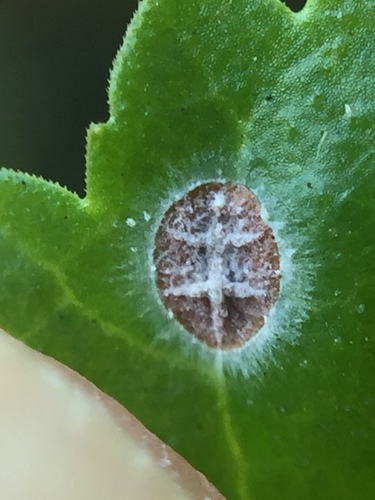
Verbatim
e0“Lecanicillium lecanii 1.15 WP (2 × 10⁹ cfu/g) @ 0.004%, Lantana camera leaf extract @ 10% has showed relatively safer as compared with the other pesticides on the basis of natural enemies.”
Claim · model-written summary
Lantana camera leaf extract was relatively safer for natural enemies than other pesticides.
- Treatment
- Lantana camera leaf extract @ 10%e0
- Outcome
- natural enemiese0
- Direction
- relatively safere0
- Comparator
- other pesticidese0
Not reportedTaxon
Verbatim
e0“Lecanicillium lecanii 1.15 WP (2 × 10⁹ cfu/g) @ 0.004%, Lantana camera leaf extract @ 10% has showed relatively safer as compared with the other pesticides on the basis of natural enemies.”
Claim · model-written summary
Thiamethoxam produced the highest return based on PCBR.
Not reportedTaxon
Verbatim
e0“Based on PCBR, the highest return was obtained with the treatment of thiamethoxam 25 WG @ 0.010% as compared with the other pesticides.”
The same questions in other papers
flonicamid · yield · Vigna unguiculata (cowpea)Positive and negative results
1 paper in the same direction as this paper · 1 in the opposite direction
- no effect
- positive
chlorfenapyr · yield · Vigna unguiculata (cowpea)Results agree
1 paper in the same direction as this paper
- positive
chlorfenapyr · Aphis craccivora · Vigna unguiculata (cowpea)Results agree
1 paper in the same direction as this paper
- positive
thiamethoxam · Aphis craccivora · Vigna unguiculata (cowpea)Results agree
3 papers in the same direction as this paper
- positive
- positive
- positive
thiamethoxam · yield · Vigna unguiculata (cowpea)Results agree
5 papers in the same direction as this paper
- positive
- positive
- positive
2 papers more in this group
See all 6 papers →botanical · ecology: diversity · Vigna unguiculata (cowpea)Positive and negative results
1 paper in the same direction as this paper · 1 in the opposite direction
- no effect
- positive
Claims are grouped by organism, treatment and what was measured or targeted. A paper counts as positive when any of its claims in the group is positive.