Abstract
Abstract As a heavy metal, cadmium has strongly toxic effects on plants and can induce oxidative stress. It is absorbed by the roots and transported to the stems and leaves. The aim of the study was to evaluate the effect of various concentrations of cadmium on the metabolic activity of Beta vulgaris and assess the dependence of these processes on the content of metal in the plants. To demonstrate the effect of cadmium on metabolism, protein and photosynthetic pigment content, lipid peroxidation, and the activity of enzymes specific for oxidative stress in roots and shoots were measured. Seeds of B. vulgaris were treated with different concentrations of Cd supplied via a CdCl 2 solution: 0 (control), 200, 300 and 400 mg/dm 3 . Results of the present study revealed increased GPOX activity as cadmium concentration rose, while SOD activity was stimulated by a low Cd concentration (200 mg/dm 3 ) and reduced by high levels of Cd. Based on the present findings, it can be concluded that GPOX in B. vulgaris played a more important role in ROS scavenging than SOD did and was able to reduce the level of lipid peroxidation in plants. Cadmium, in the concentration range used, did not show any significant effect on protein or photosynthetic pigment content.
Abstract from the paper’s OpenAlex record; open copy licensed cc-by-nc-nd. Read at the source ↗
The text the model read, with the source record’s inline markup (italics, sub- and superscripts) rendered and its character entities decoded; quote offsets refer to the raw text.
Claims 7
Claim · model-written summary
GPOX activity rose with cadmium concentration.
- Taxon
- Beta vulgaris
 Beta vulgarise1
- Treatment
- cadmiume0
- Gene
- GPOXe0
- Outcome
- GPOX activitye0
- Direction
- increasede0
Organisms pictured · Representative pictures of the matched species, not figures from the paper.
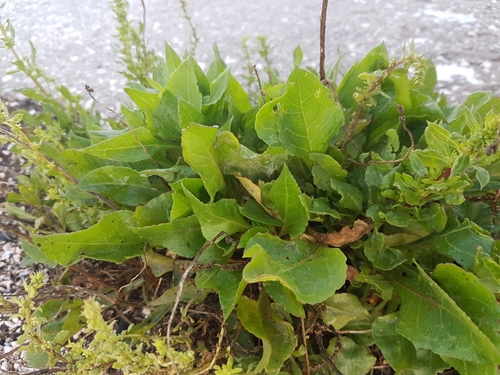
Verbatim
e0“increased GPOX activity as cadmium concentration rose”
e1“Beta vulgaris”
Claim · model-written summary
Low cadmium stimulated SOD activity.
- Taxon
- Beta vulgarisBeta vulgarise1
- Treatment
- low Cd concentration (200 mg/dm 3 )e0
- Gene
- SODe0
- Outcome
- SOD activitye0
- Direction
- stimulatede0
Not reportedComparator
Organisms pictured · Representative pictures of the matched species, not figures from the paper.
Verbatim
e0“SOD activity was stimulated by a low Cd concentration (200 mg/dm 3 )”
e1“Beta vulgaris”
Claim · model-written summary
High cadmium reduced SOD activity.
- Taxon
- Beta vulgarisBeta vulgarise1
- Treatment
- high levels of Cde0
- Gene
- SODe0
- Outcome
- SOD activitye0
- Direction
- reducede0
Not reportedComparator
Organisms pictured · Representative pictures of the matched species, not figures from the paper.
Verbatim
e0“SOD activity was stimulated by a low Cd concentration (200 mg/dm 3 ) and reduced by high levels of Cd”
e1“Beta vulgaris”
Claim · model-written summary
GPOX was interpreted as more important than SOD for ROS scavenging.
- Taxon
- B. vulgarisBeta vulgarise0
- Gene
- GPOXe0
- Outcome
- ROS scavenginge0
- Direction
- more importante0
Organisms pictured · Representative pictures of the matched species, not figures from the paper.
Verbatim
e0“GPOX in B. vulgaris played a more important role in ROS scavenging than SOD did”
Claim · model-written summary
GPOX was interpreted as reducing lipid peroxidation.
- Taxon
- B. vulgarisBeta vulgarise0
- Gene
- GPOXe0
- Outcome
- level of lipid peroxidatione0
- Direction
- reducee0
Organisms pictured · Representative pictures of the matched species, not figures from the paper.
Verbatim
e0“GPOX in B. vulgaris played a more important role in ROS scavenging than SOD did and was able to reduce the level of lipid peroxidation in plants”
Claim · model-written summary
Cadmium did not significantly affect protein content.
- Taxon
- Beta vulgarisBeta vulgarise1
- Treatment
- Cadmiume0
- Outcome
- proteine0
- Direction
- did not show any significant effecte0
Not reportedComparator
Organisms pictured · Representative pictures of the matched species, not figures from the paper.
Verbatim
e0“Cadmium, in the concentration range used, did not show any significant effect on protein or photosynthetic pigment content”
e1“Beta vulgaris”
Claim · model-written summary
Cadmium did not significantly affect photosynthetic pigment content.
- Taxon
- Beta vulgarisBeta vulgarise1
- Treatment
- Cadmiume0
- Outcome
- photosynthetic pigment contente0
- Direction
- did not show any significant effecte0
Not reportedComparator
Organisms pictured · Representative pictures of the matched species, not figures from the paper.
Verbatim
e0“Cadmium, in the concentration range used, did not show any significant effect on protein or photosynthetic pigment content”
e1“Beta vulgaris”
The same questions in other papers
cadmium atom · quality: protein · Beta vulgaris (beet)Results agree
1 paper in the same direction as this paper
- negative
cadmium atom · physiology: antioxidant enzymes · Beta vulgaris (beet)Results agree
2 papers in the same direction as this paper
- negative
- negative
cadmium atom · physiology: photosynthesis · Beta vulgaris (beet)Results agree
4 papers in the same direction as this paper
- negative
- negative
- negative
1 paper more in this group
See all 5 papers →Claims are grouped by organism, treatment and what was measured or targeted. A paper counts as positive when any of its claims in the group is positive.