Abstract
Residual effect of eight herbicides (pendimethalin, pretilachlor, triasulfuron, ethoxysulfuron, pyrazosulfuron-ethyl, carfentrazone-ethyl, 2,4-D amine and carfentrazone-ethyl + isoproturon) applied in strip –tilled wheat (Triticum aestivum L.) on the succeeding crop i. e mungbean (Vigna radiate L.), jute (Corchorus capsularis L.) and sunflower (Helianthus annus L.) were investigated during 2013-14 and 2014-15 cropping season in Old Brahmaputra Flood plain, Bangladesh through bio assay techniques. Results of two years study revealed that germination and crop growth of these succeeding crops were not affected by any of the herbicides residue applied in wheat. Leaf chlorophyll and crop dry matters of the succeeding crops were also not influenced from herbicide residue. Somewhat, shoot lengths of mungbean and sunflower were increased in the herbicide treated plots but root lengths of some herbicide treated plots were decreased at a negligible rate compare to the control one. Therefore, residual effect study claimed that use of the tested herbicides in strip-tilled wheat is safe for germination and growth of the succeeding crops like mungbean, jute and sunflower and farmer can grow these crops in a rotation with strip-tilled wheat.
Abstract from the paper’s OpenAlex record; open copy licensed cc-by-nc-nd. Read at the source ↗
The text the model read, with the source record’s inline markup (italics, sub- and superscripts) rendered and its character entities decoded; quote offsets refer to the raw text.
Claims 10
Claim · model-written summary
Herbicide residues in wheat did not affect mungbean germination or growth.
- Taxon
- mungbean
 Vigna radiatae0e1
Not reportedComparator
Organisms pictured · Representative pictures of the matched species, not figures from the paper.

Verbatim
e0“Results of two years study revealed that germination and crop growth of these succeeding crops were not affected by any of the herbicides residue applied in wheat.”
e1“Residual effect of eight herbicides (pendimethalin, pretilachlor, triasulfuron, ethoxysulfuron, pyrazosulfuron-ethyl, carfentrazone-ethyl, 2,4-D amine and carfentrazone-ethyl + isoproturon) applied in strip –tilled wheat (Triticum aestivum L.) on the succeeding crop i. e mungbean (Vigna radiate L.), jute (Corchorus capsularis L.) and sunflower (Helianthus annus L.) were investigated during 2013-14 and 2014-15 cropping season in Old Brahmaputra Flood plain, Bangladesh through bio assay techniques.”
Claim · model-written summary
Herbicide residues in wheat did not affect jute germination or growth.
- Taxon
- jute
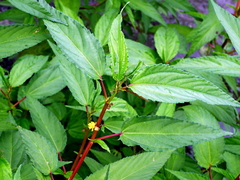 Corchorus capsularise0e1
Not reportedComparator
Organisms pictured · Representative pictures of the matched species, not figures from the paper.
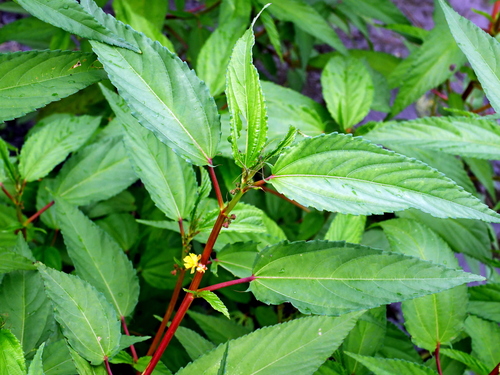
Verbatim
e0“Results of two years study revealed that germination and crop growth of these succeeding crops were not affected by any of the herbicides residue applied in wheat.”
e1“Residual effect of eight herbicides (pendimethalin, pretilachlor, triasulfuron, ethoxysulfuron, pyrazosulfuron-ethyl, carfentrazone-ethyl, 2,4-D amine and carfentrazone-ethyl + isoproturon) applied in strip –tilled wheat (Triticum aestivum L.) on the succeeding crop i. e mungbean (Vigna radiate L.), jute (Corchorus capsularis L.) and sunflower (Helianthus annus L.) were investigated during 2013-14 and 2014-15 cropping season in Old Brahmaputra Flood plain, Bangladesh through bio assay techniques.”
Claim · model-written summary
Herbicide residues in wheat did not affect sunflower germination or growth.
- Taxon
- sunflower
 Helianthus annuuse0e1
Not reportedComparator
Organisms pictured · Representative pictures of the matched species, not figures from the paper.

Verbatim
e0“Results of two years study revealed that germination and crop growth of these succeeding crops were not affected by any of the herbicides residue applied in wheat.”
e1“Residual effect of eight herbicides (pendimethalin, pretilachlor, triasulfuron, ethoxysulfuron, pyrazosulfuron-ethyl, carfentrazone-ethyl, 2,4-D amine and carfentrazone-ethyl + isoproturon) applied in strip –tilled wheat (Triticum aestivum L.) on the succeeding crop i. e mungbean (Vigna radiate L.), jute (Corchorus capsularis L.) and sunflower (Helianthus annus L.) were investigated during 2013-14 and 2014-15 cropping season in Old Brahmaputra Flood plain, Bangladesh through bio assay techniques.”
Claim · model-written summary
Herbicide residues did not influence mungbean leaf chlorophyll or crop dry matter.
- Taxon
- mungbeanVigna radiatae0e1
Not reportedComparator
Organisms pictured · Representative pictures of the matched species, not figures from the paper.
Verbatim
e0“Leaf chlorophyll and crop dry matters of the succeeding crops were also not influenced from herbicide residue.”
e1“Residual effect of eight herbicides (pendimethalin, pretilachlor, triasulfuron, ethoxysulfuron, pyrazosulfuron-ethyl, carfentrazone-ethyl, 2,4-D amine and carfentrazone-ethyl + isoproturon) applied in strip –tilled wheat (Triticum aestivum L.) on the succeeding crop i. e mungbean (Vigna radiate L.), jute (Corchorus capsularis L.) and sunflower (Helianthus annus L.) were investigated during 2013-14 and 2014-15 cropping season in Old Brahmaputra Flood plain, Bangladesh through bio assay techniques.”
Claim · model-written summary
Herbicide residues did not influence jute leaf chlorophyll or crop dry matter.
- Taxon
- juteCorchorus capsularise0e1
Not reportedComparator
Organisms pictured · Representative pictures of the matched species, not figures from the paper.
Verbatim
e0“Leaf chlorophyll and crop dry matters of the succeeding crops were also not influenced from herbicide residue.”
e1“Residual effect of eight herbicides (pendimethalin, pretilachlor, triasulfuron, ethoxysulfuron, pyrazosulfuron-ethyl, carfentrazone-ethyl, 2,4-D amine and carfentrazone-ethyl + isoproturon) applied in strip –tilled wheat (Triticum aestivum L.) on the succeeding crop i. e mungbean (Vigna radiate L.), jute (Corchorus capsularis L.) and sunflower (Helianthus annus L.) were investigated during 2013-14 and 2014-15 cropping season in Old Brahmaputra Flood plain, Bangladesh through bio assay techniques.”
Claim · model-written summary
Herbicide residues did not influence sunflower leaf chlorophyll or crop dry matter.
- Taxon
- sunflowerHelianthus annuuse0e1
Not reportedComparator
Organisms pictured · Representative pictures of the matched species, not figures from the paper.
Verbatim
e0“Leaf chlorophyll and crop dry matters of the succeeding crops were also not influenced from herbicide residue.”
e1“Residual effect of eight herbicides (pendimethalin, pretilachlor, triasulfuron, ethoxysulfuron, pyrazosulfuron-ethyl, carfentrazone-ethyl, 2,4-D amine and carfentrazone-ethyl + isoproturon) applied in strip –tilled wheat (Triticum aestivum L.) on the succeeding crop i. e mungbean (Vigna radiate L.), jute (Corchorus capsularis L.) and sunflower (Helianthus annus L.) were investigated during 2013-14 and 2014-15 cropping season in Old Brahmaputra Flood plain, Bangladesh through bio assay techniques.”
Claim · model-written summary
mungbean shoot length increased in herbicide-treated plots.
- Taxon
- mungbeanVigna radiatae0e1
Organisms pictured · Representative pictures of the matched species, not figures from the paper.
Verbatim
e0“shoot lengths of mungbean and sunflower were increased in the herbicide treated plots but root lengths of some herbicide treated plots were decreased at a negligible rate compare to the control one.”
e1“Residual effect of eight herbicides (pendimethalin, pretilachlor, triasulfuron, ethoxysulfuron, pyrazosulfuron-ethyl, carfentrazone-ethyl, 2,4-D amine and carfentrazone-ethyl + isoproturon) applied in strip –tilled wheat (Triticum aestivum L.) on the succeeding crop i. e mungbean (Vigna radiate L.), jute (Corchorus capsularis L.) and sunflower (Helianthus annus L.) were investigated during 2013-14 and 2014-15 cropping season in Old Brahmaputra Flood plain, Bangladesh through bio assay techniques.”
Claim · model-written summary
sunflower shoot length increased in herbicide-treated plots.
- Taxon
- sunflowerHelianthus annuuse0e1
Organisms pictured · Representative pictures of the matched species, not figures from the paper.
Verbatim
e0“shoot lengths of mungbean and sunflower were increased in the herbicide treated plots but root lengths of some herbicide treated plots were decreased at a negligible rate compare to the control one.”
e1“Residual effect of eight herbicides (pendimethalin, pretilachlor, triasulfuron, ethoxysulfuron, pyrazosulfuron-ethyl, carfentrazone-ethyl, 2,4-D amine and carfentrazone-ethyl + isoproturon) applied in strip –tilled wheat (Triticum aestivum L.) on the succeeding crop i. e mungbean (Vigna radiate L.), jute (Corchorus capsularis L.) and sunflower (Helianthus annus L.) were investigated during 2013-14 and 2014-15 cropping season in Old Brahmaputra Flood plain, Bangladesh through bio assay techniques.”
Claim · model-written summary
Root lengths decreased negligibly in some herbicide-treated plots versus control.
Verbatim
e0“shoot lengths of mungbean and sunflower were increased in the herbicide treated plots but root lengths of some herbicide treated plots were decreased at a negligible rate compare to the control one.”
e1“Results of two years study revealed that germination and crop growth of these succeeding crops were not affected by any of the herbicides residue applied in wheat.”
Claim · model-written summary
The tested herbicides in strip-tilled wheat were considered safe for germination and growth of following mungbean, jute and sunflower.
- Taxon
- mungbeanVigna radiatae0e1
Organisms pictured · Representative pictures of the matched species, not figures from the paper.
Verbatim
e0“use of the tested herbicides in strip-tilled wheat is safe for germination and growth of the succeeding crops like mungbean, jute and sunflower and farmer can grow these crops in a rotation with strip-tilled wheat.”
e1“Results of two years study revealed that germination and crop growth of these succeeding crops were not affected by any of the herbicides residue applied in wheat.”
The same questions in other papers
herbicide · growth · Corchorus capsularis (jute)Positive and negative results
2 in the opposite direction
- positive
- positive
herbicide · physiology: pigments · Vigna radiata (mung bean)Positive and negative results
3 in the opposite direction
- positive
- positive
- positive
herbicide · growth · Helianthus annuus (common sunflower)Positive and negative results
10 papers in the same direction as this paper · 11 in the opposite direction
- positive
- positive
- positive
18 papers more in this group
See all 22 papers →herbicide · growth · Vigna radiata (mung bean)Positive and negative results
8 papers in the same direction as this paper · 19 in the opposite direction
- positive
- positive
- positive
24 papers more in this group
See all 28 papers →herbicide · physiology: pigments · Helianthus annuus (common sunflower)Results agree
3 papers in the same direction as this paper
- negative
- no effect
- negative
Claims are grouped by organism, treatment and what was measured or targeted. A paper counts as positive when any of its claims in the group is positive.