Abstract
Nickel (Ni) is a cofactor for urease, an enzyme that breaks down urea into ammonia and carbon dioxide. This study aimed to evaluate the physiological impact of Ni on urea, antioxidant metabolism and powdery mildew severity in soybean plants. Seven levels of Ni (0, 10, 20, 40, 60, 80 and 100 g ha −1 ) alone or combined with the fungicides fluxapyroxad and pyraclostrobin were applied to soybean plants. The total Ni concentration ranged from 3.8 to 38.0 mg kg −1 in leaves and 3.0 to 18.0 mg kg −1 in seeds. A strong correlation was observed between Ni concentration in the leaves and seeds, indicating translocation of Ni from leaves to seeds. Application of Ni above 60 g ha −1 increased lipid peroxidation in the leaf tissues, indicative of oxidative stress. Application of 40 g ha −1 Ni combined with 300 mL ha −1 of fungicide reduced powdery mildew severity by up to 99%. Superoxide dismutase, catalase, peroxidase and urease enzyme activity were greatest under these conditions. Urea concentration decreased in response to Ni application. Urease activity in soybean leaves showed a negative correlation with powdery mildew severity. The leaf Ni concentration showed a positive correlation with the urease and a negative correlation with powdery mildew severity. The results of this study suggest that urease is a key enzyme regulated by Ni and has a role in host defence against powdery mildew by stimulating antioxidant metabolism in soybean plants.
Abstract from the paper’s OpenAlex record, shown for indexing and research. Copyright remains with the authors or the publisher. Read at the source ↗
The text the model read, with the source record’s inline markup (italics, sub- and superscripts) rendered and its character entities decoded; quote offsets refer to the raw text.
Claims 8
Claim · model-written summary
Leaf and seed nickel concentrations correlated, indicating translocation.
- Taxon
- soybean plants
 Glycine maxt0
- Compound
- Nie0
- Outcome
- Ni concentration in the leaves and seedse0
Not reportedDirection
Organisms pictured · Representative pictures of the matched species, not figures from the paper.

Verbatim
e0“A strong correlation was observed between Ni concentration in the leaves and seeds, indicating translocation of Ni from leaves to seeds”
t0“soybean plants”
Claim · model-written summary
Nickel above 60 g ha −1 increased leaf lipid peroxidation.
- Taxon
- soybean plantsGlycine maxt0
- Treatment
- Ni above 60 g ha −1e0
- Outcome
- lipid peroxidatione0
- Direction
- increasede0
Not reportedComparator
Organisms pictured · Representative pictures of the matched species, not figures from the paper.
Verbatim
e0“Application of Ni above 60 g ha −1 increased lipid peroxidation in the leaf tissues”
t0“soybean plants”
Claim · model-written summary
Nickel with fungicide reduced powdery mildew severity by up to 99%.
- Taxon
- soybean plantsGlycine maxt0
- Treatment
- 40 g ha −1 Ni combined with 300 mL ha −1 of fungicidee0
- Interactor
- Microsphaera diffusa
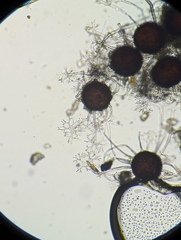 Erysiphe diffusat1pathogen
- Outcome
- powdery mildew severitye0
- Direction
- reducede0
- Value
- 99%e0
Not reportedComparator
Organisms pictured · Representative pictures of the matched species, not figures from the paper.
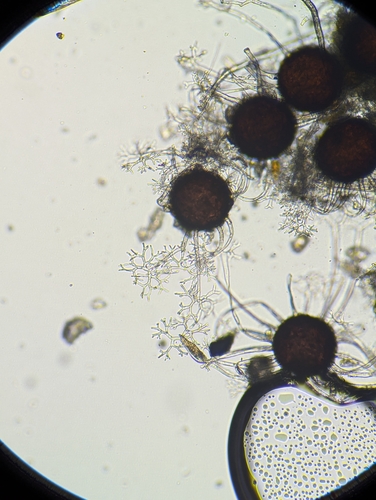
Verbatim
e0“Application of 40 g ha −1 Ni combined with 300 mL ha −1 of fungicide reduced powdery mildew severity by up to 99%”
t0“soybean plants”
t1“Microsphaera diffusa”
Claim · model-written summary
Antioxidant and urease enzyme activity was greatest under nickel plus fungicide treatment.
- Taxon
- soybean plantsGlycine maxt0
- Treatment
- 40 g ha −1 Ni combined with 300 mL ha −1 of fungicidee1
- Outcome
- Superoxide dismutase, catalase, peroxidase and urease enzyme activitye0
- Direction
- greateste0
Not reportedComparator
Organisms pictured · Representative pictures of the matched species, not figures from the paper.
Verbatim
e0“Superoxide dismutase, catalase, peroxidase and urease enzyme activity were greatest under these conditions”
e1“Application of 40 g ha −1 Ni combined with 300 mL ha −1 of fungicide”
t0“soybean plants”
Claim · model-written summary
Nickel application decreased urea concentration.
- Taxon
- soybean plantsGlycine maxt0
- Treatment
- Ni applicatione0
- Outcome
- Urea concentratione0
- Direction
- decreasede0
Not reportedComparator
Organisms pictured · Representative pictures of the matched species, not figures from the paper.
Verbatim
e0“Urea concentration decreased in response to Ni application”
t0“soybean plants”
Claim · model-written summary
Leaf urease activity was negatively correlated with powdery mildew severity.
- Taxon
- soybeanGlycine maxe0
- Interactor
- Microsphaera diffusaErysiphe diffusat0pathogen
- Gene
- Ureasee0
- Outcome
- powdery mildew severitye0
- Direction
- negative correlatione0
Organisms pictured · Representative pictures of the matched species, not figures from the paper.
Verbatim
e0“Urease activity in soybean leaves showed a negative correlation with powdery mildew severity”
t0“Microsphaera diffusa”
Claim · model-written summary
Leaf nickel concentration was positively correlated with urease.
- Taxon
- soybean plantsGlycine maxt0
- Compound
- Nie0
- Outcome
- ureasee0
- Direction
- positive correlatione0
Organisms pictured · Representative pictures of the matched species, not figures from the paper.
Verbatim
e0“leaf Ni concentration showed a positive correlation with the urease”
t0“soybean plants”
Claim · model-written summary
Leaf nickel concentration was negatively correlated with powdery mildew severity.
- Taxon
- soybean plantsGlycine maxt0
- Interactor
- Microsphaera diffusaErysiphe diffusat1pathogen
- Compound
- Nie0
- Outcome
- powdery mildew severitye0
- Direction
- negative correlatione0
Organisms pictured · Representative pictures of the matched species, not figures from the paper.
Verbatim
e0“leaf Ni concentration showed a positive correlation with the urease and a negative correlation with powdery mildew severity”
t0“soybean plants”
t1“Microsphaera diffusa”
The same questions in other papers
nickel atom · soil: biology · Glycine max (soybean)Positive and negative results
3 papers in the same direction as this paper · 1 in the opposite direction
- positive
- positive
- negative
1 paper more in this group
See all 5 papers →nickel atom · physiology: oxidative · Glycine max (soybean)Positive and negative results
3 papers in the same direction as this paper · 3 in the opposite direction
- positive
- positive
- positive
3 papers more in this group
See all 7 papers →fungicide · soil: biology · Glycine max (soybean)Positive and negative results
2 in the opposite direction
- negative
- no effect
fungicide · Erysiphe diffusa · Glycine max (soybean)Results agree
4 papers in the same direction as this paper
- positive
- positive
- positive
1 paper more in this group
See all 5 papers →Claims are grouped by organism, treatment and what was measured or targeted. A paper counts as positive when any of its claims in the group is positive.