Abstract
A field experiment was conducted during kharif season of 2008-09 at Main Research Station, University of Agricultural Sciences, Dharwad. Seed weevil, Apion amplum (Faust) (Apionidae : Coleoptera) has gained a major pest status on greengram and blackgram in recent years. The incidence studies revealed that A. amplum (Faust) was in peak activity on the crop sown in first fortnight of July and recorded the highest mean numbers of weevils (4.57 and 4.70/plant) followed by second fortnight of July. Evaluation of different biopesticides revealed that the application of Bacillus thuringiensis (Sandiego) @ 1 ml/l recorded cent per cent mortality compared to other biopesticides after 11 days of observation under laboratory condition. In field also, B. thuringiensis was found superior in reducing mean weevil numbers, pod and seed damage to greengram and recorded highest yield over other biopesticides.
Abstract from the paper’s OpenAlex record, shown for indexing and research. Copyright remains with the authors or the publisher. Read at the source ↗
The text the model read, with the source record’s inline markup (italics, sub- and superscripts) rendered and its character entities decoded; quote offsets refer to the raw text.
Claims 5
Claim · model-written summary
A. amplum peaked on crops sown in the first fortnight of July, with 4.57 and 4.70 weevils per plant.
- Taxon
- greengram
 Vigna radiata var. radiatat0
- Interactor
- A. amplum (Faust)e0pest
- Outcome
- mean numbers of weevilse0
- Direction
- higheste0
- Value
- 4.57 and 4.70/plante0
- Setting
- first fortnight of Julye0
Organisms pictured · Representative pictures of the matched species, not figures from the paper.

Verbatim
e0“A. amplum (Faust) was in peak activity on the crop sown in first fortnight of July and recorded the highest mean numbers of weevils (4.57 and 4.70/plant)”
t0“greengram”
Claim · model-written summary
Bacillus thuringiensis caused complete weevil mortality at 11 days in the laboratory.
- Taxon
- greengramVigna radiata var. radiatat0
- Treatment
- Bacillus thuringiensis (Sandiego) @ 1 ml/le0
- Second interactor
- Bacillus thuringiensis (Sandiego)
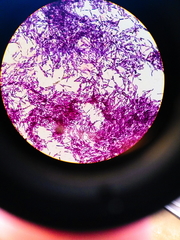 Bacillus thuringiensise0biocontrol_agent
- Outcome
- mortalitye0
- Direction
- cent per cente0
- Value
- cent per cente0
- Comparator
- other biopesticidese0
- Setting
- laboratory conditione0
Organisms pictured · Representative pictures of the matched species, not figures from the paper.
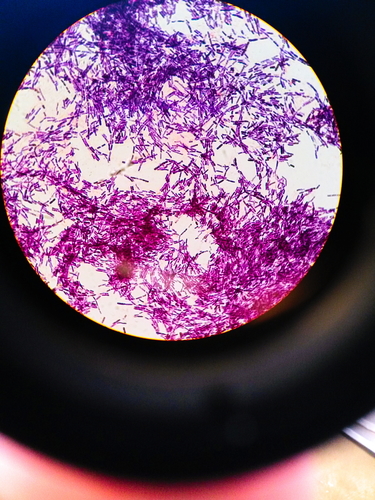
Verbatim
e0“application of Bacillus thuringiensis (Sandiego) @ 1 ml/l recorded cent per cent mortality compared to other biopesticides after 11 days of observation under laboratory condition.”
t0“greengram”
t1“Incidence of Apion amplum (Faust) (Apionidae : Coleoptera) on greengram with its biopesticidal management”
e1“A. amplum (Faust) was in peak activity on the crop sown in first fortnight of July and recorded the highest mean numbers of weevils (4.57 and 4.70/plant)”
Claim · model-written summary
B. thuringiensis reduced field weevil numbers more than other biopesticides.
- Taxon
- greengramVigna radiata var. radiatae0
- Treatment
- B. thuringiensise0
- Second interactor
- B. thuringiensisBacillus thuringiensise0biocontrol_agent
- Outcome
- mean weevil numberse0
- Direction
- reducinge0
- Comparator
- other biopesticidese0
Organisms pictured · Representative pictures of the matched species, not figures from the paper.
Verbatim
e0“B. thuringiensis was found superior in reducing mean weevil numbers, pod and seed damage to greengram and recorded highest yield over other biopesticides.”
t1“Incidence of Apion amplum (Faust) (Apionidae : Coleoptera) on greengram with its biopesticidal management”
e1“A. amplum (Faust) was in peak activity on the crop sown in first fortnight of July and recorded the highest mean numbers of weevils (4.57 and 4.70/plant)”
Claim · model-written summary
B. thuringiensis reduced pod and seed damage more than other biopesticides.
- Taxon
- greengramVigna radiata var. radiatae0
- Treatment
- B. thuringiensise0
- Second interactor
- B. thuringiensisBacillus thuringiensise0biocontrol_agent
- Outcome
- pod and seed damage to greengrame0
- Direction
- reducinge0
- Comparator
- other biopesticidese0
Organisms pictured · Representative pictures of the matched species, not figures from the paper.
Verbatim
e0“B. thuringiensis was found superior in reducing mean weevil numbers, pod and seed damage to greengram and recorded highest yield over other biopesticides.”
t1“Incidence of Apion amplum (Faust) (Apionidae : Coleoptera) on greengram with its biopesticidal management”
e1“A. amplum (Faust) was in peak activity on the crop sown in first fortnight of July and recorded the highest mean numbers of weevils (4.57 and 4.70/plant)”
Claim · model-written summary
B. thuringiensis gave the highest field yield among biopesticides.
- Taxon
- greengramVigna radiata var. radiatae0
- Treatment
- B. thuringiensise0
- Second interactor
- B. thuringiensisBacillus thuringiensise0biocontrol_agent
- Outcome
- yielde0
- Direction
- higheste0
- Comparator
- other biopesticidese0
Organisms pictured · Representative pictures of the matched species, not figures from the paper.
Verbatim
e0“B. thuringiensis was found superior in reducing mean weevil numbers, pod and seed damage to greengram and recorded highest yield over other biopesticides.”
t1“Incidence of Apion amplum (Faust) (Apionidae : Coleoptera) on greengram with its biopesticidal management”
e1“A. amplum (Faust) was in peak activity on the crop sown in first fortnight of July and recorded the highest mean numbers of weevils (4.57 and 4.70/plant)”
The same questions in other papers
Bacillus thuringiensis · pest · Vigna radiata (mung bean)Results agree
1 paper in the same direction as this paper
- positive
Bacillus thuringiensis · yield · Vigna radiata (mung bean)Results agree
2 papers in the same direction as this paper
- positive
- positive
Claims are grouped by organism, treatment and what was measured or targeted. A paper counts as positive when any of its claims in the group is positive.