Abstract
The effects of different priming treatments and priming durations on germination percentage at different temperatures in parsley seeds were studied. The seeds were treated for 2, 4, 6 and 8 days with the PEG 6000 (–0.5 MPa, –1.0 MPa and –1.5 MPa), KNO3 (0.30 mol/L and 0.35 mol/L), Mannitol (0.50 mol/L and 0.60 mol/L) and hydropriming (12h, 24h, 36h and 48h) and unprimed (control). Germination studies were made at 5, 10, 15, 20 and 25°C. Percentage of germination at different temperatures was significantly affected by priming treatments. Hydropriming (12h, 24h and 36 h) and mannitol 0.60 mol/L at 2 day generally had the highest germination percentages. In general, the highest germination percentage with priming was determined at 10°C. It may be said that seed priming treatments increased seed germination percentage at both low and high temperatures. The highest germination percentages were observed in both hydropriming and mannitol treatments as compared with PEG and KNO3 treatments. The PEG and KNO3 (2 and 4 days) treatments were better than unprimed treatment in all of the temperatures.
Abstract from the paper’s OpenAlex record; open copy licensed cc-by. Read at the source ↗
The text the model read, with the source record’s inline markup (italics, sub- and superscripts) rendered and its character entities decoded; quote offsets refer to the raw text.
Claims 9
Claim · model-written summary
Germination percentage at different temperatures was significantly affected by priming treatments in parsley seeds.
- Taxon
- parsley
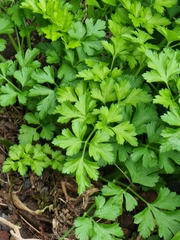 Petroselinum crispumt0
- Treatment
- priming treatmentse0
- Outcome
- Percentage of germinatione0
Not reportedComparatorDirection
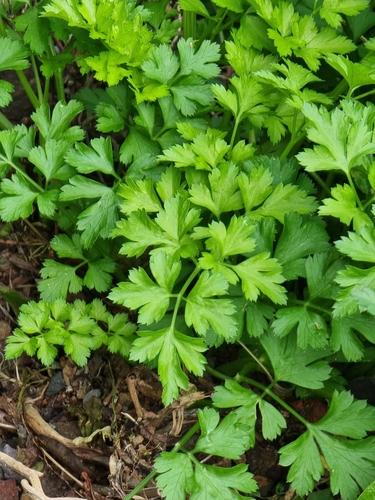
Organisms pictured · Representative pictures of the matched species, not figures from the paper.
Verbatim
e0“Percentage of germination at different temperatures was significantly affected by priming treatments”
t0“parsley (Petroselinum crispum L.)”
Claim · model-written summary
Hydropriming for 12, 24 and 36 h generally gave the highest germination percentages.
- Taxon
- parsleyPetroselinum crispumt0
- Treatment
- Hydropriming (12h, 24h and 36 h)e0
- Outcome
- germination percentagese0
- Direction
- higheste0
Not reportedComparator
Organisms pictured · Representative pictures of the matched species, not figures from the paper.
Verbatim
e0“Hydropriming (12h, 24h and 36 h) and mannitol 0.60 mol/L at 2 day generally had the highest germination percentages”
t0“parsley (Petroselinum crispum L.)”
Claim · model-written summary
Mannitol at 0.60 mol/L for 2 days generally gave the highest germination percentages.
- Taxon
- parsleyPetroselinum crispumt0
- Treatment
- mannitol 0.60 mol/L at 2 daye0
- Outcome
- germination percentagese0
- Direction
- higheste0
Not reportedComparator
Organisms pictured · Representative pictures of the matched species, not figures from the paper.
Verbatim
e0“Hydropriming (12h, 24h and 36 h) and mannitol 0.60 mol/L at 2 day generally had the highest germination percentages”
t0“parsley (Petroselinum crispum L.)”
Claim · model-written summary
The highest germination percentage with priming was generally found at 10 degrees C.
- Taxon
- parsleyPetroselinum crispumt0
- Outcome
- highest germination percentage with priminge0
- Setting
- 10°Ce0
Not reportedDirection
Organisms pictured · Representative pictures of the matched species, not figures from the paper.
Verbatim
e0“In general, the highest germination percentage with priming was determined at 10°C”
t0“parsley (Petroselinum crispum L.)”
Claim · model-written summary
Seed priming treatments increased parsley seed germination percentage at both low and high temperatures.
- Taxon
- parsleyPetroselinum crispumt0
- Treatment
- seed priming treatmentse0
- Outcome
- seed germination percentagee0
- Direction
- increasede0
- Qualifier
- both low and high temperaturese0
Not reportedComparator
Organisms pictured · Representative pictures of the matched species, not figures from the paper.
Verbatim
e0“seed priming treatments increased seed germination percentage at both low and high temperatures”
t0“parsley (Petroselinum crispum L.)”
Claim · model-written summary
Hydropriming gave higher germination percentages than PEG and KNO3 treatments.
- Taxon
- parsleyPetroselinum crispumt0
- Treatment
- hydropriminge0
- Outcome
- germination percentagese0
- Direction
- higheste0
- Comparator
- PEG and KNO3 treatmentse0
Organisms pictured · Representative pictures of the matched species, not figures from the paper.
Verbatim
e0“The highest germination percentages were observed in both hydropriming and mannitol treatments as compared with PEG and KNO3 treatments”
t0“parsley (Petroselinum crispum L.)”
Claim · model-written summary
Mannitol treatments gave higher germination percentages than PEG and KNO3 treatments.
- Taxon
- parsleyPetroselinum crispumt0
- Treatment
- mannitol treatmentse0
- Outcome
- germination percentagese0
- Direction
- higheste0
- Comparator
- PEG and KNO3 treatmentse0
Organisms pictured · Representative pictures of the matched species, not figures from the paper.
Verbatim
e0“The highest germination percentages were observed in both hydropriming and mannitol treatments as compared with PEG and KNO3 treatments”
t0“parsley (Petroselinum crispum L.)”
Claim · model-written summary
PEG treatments (2 and 4 days) were better than the unprimed treatment at all temperatures.
- Taxon
- parsleyPetroselinum crispumt0
- Treatment
- PEGe0
- Outcome
- bettere0
- Direction
- bettere0
- Qualifier
- in all of the temperaturese0
- Comparator
- unprimed treatmente0
Organisms pictured · Representative pictures of the matched species, not figures from the paper.
Verbatim
e0“The PEG and KNO3 (2 and 4 days) treatments were better than unprimed treatment in all of the temperatures”
t0“parsley (Petroselinum crispum L.)”
Claim · model-written summary
KNO3 treatments (2 and 4 days) were better than the unprimed treatment at all temperatures.
- Taxon
- parsleyPetroselinum crispumt0
- Treatment
- KNO3e0
- Outcome
- bettere0
- Direction
- bettere0
- Qualifier
- in all of the temperaturese0
- Comparator
- unprimed treatmente0
Organisms pictured · Representative pictures of the matched species, not figures from the paper.
Verbatim
e0“The PEG and KNO3 (2 and 4 days) treatments were better than unprimed treatment in all of the temperatures”
t0“parsley (Petroselinum crispum L.)”
The same questions in other papers
seed treatment · growth · Petroselinum crispum (parsley)Positive and negative results
9 papers in the same direction as this paper · 3 in the opposite direction
- positive
- positive
- positive
9 papers more in this group
See all 13 papers →Claims are grouped by organism, treatment and what was measured or targeted. A paper counts as positive when any of its claims in the group is positive.