Abstract
Abstract Beets were grown on soils with various exchangeable sodium percentages (ESP). A saline non-sodic soil (SA, ESP = 3.2), a saline sodic soil (SO, ESP = 23), and a saline high sodic soil (HSO, ESP = 78) were prepared from Tottori sand dune soil (CO). K-type and Ca-type artificial zeolites (50 g kg−1) were applied to these soils in order to evaluate their effects on the chemical properties of saturation extracts of the soils, water deficit, cation uptake and transport, and cation balance of beet plants. In the zeolite-free treatments, beet growth was accelerated in SA and SO, but was suppressed in HSO compared with CO. The addition of both types of zeolites ameliorated plant growth in all the soils studied, especially HSO. The relative dry weight of the soils treated by the K-type zeolite to the zeolitefree soil was 189% for CO, 125% for SA, 130% for SO, and 222% for HSO. For the soils treated with the Ca-type zeolite, the values were 169, 116, 132, and 341%, respectively. In SA, SO, and HSO, the addition of the K-type zeolite increased the K uptake due to the increase of the K concentration of saturation extracts of soils. The addition of the Ca-type zeolite increased the Ca uptake due to the increase in the Ca concentration of the saturation extracts of soils which was accompanied by an increase in the K uptake. The increase in the uptake of K or Ca and decreased in the transport of Na by the addition of both types of zeolites improved the cation balance of the plants. The Ca-type zeolite did not increase the water deficit even though it increased the electric conductivity in all the soils. The results indicated that both types of artificial zeolites were able to improve the growth performance of beets in saline and sodic soils and that the K-type zeolite could be used as a K-fertilizer as well. Key Words: artificial zeolitebeetcation balancesaline soilsodic soil
Abstract from the paper’s OpenAlex record, shown for indexing and research. Copyright remains with the authors or the publisher. Read at the source ↗
The text the model read, with the source record’s inline markup (italics, sub- and superscripts) rendered and its character entities decoded; quote offsets refer to the raw text.
Claims 20
Claim · model-written summary
Beet growth accelerated in SA and SO relative to CO.
Organisms pictured · Representative pictures of the matched species, not figures from the paper.
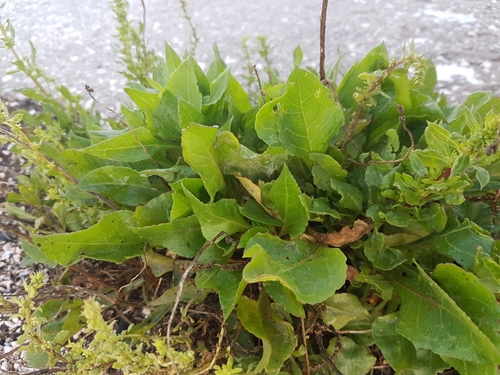
Verbatim
e0“In the zeolite-free treatments, beet growth was accelerated in SA and SO, but was suppressed in HSO compared with CO.”
Claim · model-written summary
Beet growth was suppressed in HSO relative to CO.
Organisms pictured · Representative pictures of the matched species, not figures from the paper.
Verbatim
e0“In the zeolite-free treatments, beet growth was accelerated in SA and SO, but was suppressed in HSO compared with CO.”
Claim · model-written summary
Both zeolite types improved plant growth, especially in HSO.
- Taxon
- beets
 Beta vulgarist0
- Treatment
- both types of zeolitese0
- Outcome
- plant growthe0
- Direction
- amelioratede0
- Qualifier
- especially HSOe0
Not reportedComparator
Organisms pictured · Representative pictures of the matched species, not figures from the paper.
Verbatim
e0“The addition of both types of zeolites ameliorated plant growth in all the soils studied, especially HSO.”
t0“beets”
Claim · model-written summary
K-type zeolite relative dry weight was 189% in CO.
- Taxon
- BeetsBeta vulgarist0
- Treatment
- K-type zeolitee0
- Outcome
- relative dry weighte0
- Value
- 189%e0
- Comparator
- zeolitefree soile0
- Setting
- COe0
Not reportedDirection
Organisms pictured · Representative pictures of the matched species, not figures from the paper.
Verbatim
e0“The relative dry weight of the soils treated by the K-type zeolite to the zeolitefree soil was 189% for CO, 125% for SA, 130% for SO, and 222% for HSO.”
t0“Beets”
Claim · model-written summary
K-type zeolite relative dry weight was 125% in SA.
- Taxon
- BeetsBeta vulgarist0
- Treatment
- K-type zeolitee0
- Outcome
- relative dry weighte0
- Value
- 125%e0
- Comparator
- zeolitefree soile0
- Setting
- SAe0
Not reportedDirection
Organisms pictured · Representative pictures of the matched species, not figures from the paper.
Verbatim
e0“The relative dry weight of the soils treated by the K-type zeolite to the zeolitefree soil was 189% for CO, 125% for SA, 130% for SO, and 222% for HSO.”
t0“Beets”
Claim · model-written summary
K-type zeolite relative dry weight was 130% in SO.
- Taxon
- BeetsBeta vulgarist0
- Treatment
- K-type zeolitee0
- Outcome
- relative dry weighte0
- Value
- 130%e0
- Comparator
- zeolitefree soile0
- Setting
- SOe0
Not reportedDirection
Organisms pictured · Representative pictures of the matched species, not figures from the paper.
Verbatim
e0“The relative dry weight of the soils treated by the K-type zeolite to the zeolitefree soil was 189% for CO, 125% for SA, 130% for SO, and 222% for HSO.”
t0“Beets”
Claim · model-written summary
K-type zeolite relative dry weight was 222% in HSO.
- Taxon
- BeetsBeta vulgarist0
- Treatment
- K-type zeolitee0
- Outcome
- relative dry weighte0
- Value
- 222%e0
- Comparator
- zeolitefree soile0
- Setting
- HSOe0
Not reportedDirection
Organisms pictured · Representative pictures of the matched species, not figures from the paper.
Verbatim
e0“The relative dry weight of the soils treated by the K-type zeolite to the zeolitefree soil was 189% for CO, 125% for SA, 130% for SO, and 222% for HSO.”
t0“Beets”
Claim · model-written summary
Ca-type zeolite relative dry weight was 169 in CO.
Not reportedComparatorDirection
Organisms pictured · Representative pictures of the matched species, not figures from the paper.
Verbatim
e0“The relative dry weight of the soils treated by the K-type zeolite to the zeolitefree soil was 189% for CO, 125% for SA, 130% for SO, and 222% for HSO. For the soils treated with the Ca-type zeolite, the values were 169, 116, 132, and 341%, respectively.”
t0“beets in saline and sodic soils”
Claim · model-written summary
Ca-type zeolite relative dry weight was 116 in SA.
Not reportedComparatorDirection
Organisms pictured · Representative pictures of the matched species, not figures from the paper.
Verbatim
e0“The relative dry weight of the soils treated by the K-type zeolite to the zeolitefree soil was 189% for CO, 125% for SA, 130% for SO, and 222% for HSO. For the soils treated with the Ca-type zeolite, the values were 169, 116, 132, and 341%, respectively.”
t0“beets in saline and sodic soils”
Claim · model-written summary
Ca-type zeolite relative dry weight was 132 in SO.
Not reportedComparatorDirection
Organisms pictured · Representative pictures of the matched species, not figures from the paper.
Verbatim
e0“The relative dry weight of the soils treated by the K-type zeolite to the zeolitefree soil was 189% for CO, 125% for SA, 130% for SO, and 222% for HSO. For the soils treated with the Ca-type zeolite, the values were 169, 116, 132, and 341%, respectively.”
t0“beets in saline and sodic soils”
Claim · model-written summary
Ca-type zeolite relative dry weight was 341% in HSO.
Not reportedComparatorDirection
Organisms pictured · Representative pictures of the matched species, not figures from the paper.
Verbatim
e0“The relative dry weight of the soils treated by the K-type zeolite to the zeolitefree soil was 189% for CO, 125% for SA, 130% for SO, and 222% for HSO. For the soils treated with the Ca-type zeolite, the values were 169, 116, 132, and 341%, respectively.”
t0“beets in saline and sodic soils”
Claim · model-written summary
K-type zeolite increased beet K uptake in saline soils.
- Taxon
- beetBeta vulgarist0
- Treatment
- K-type zeolitee0
- Outcome
- K uptakee0
- Direction
- increasede0
Not reportedComparator
Organisms pictured · Representative pictures of the matched species, not figures from the paper.
Verbatim
e0“In SA, SO, and HSO, the addition of the K-type zeolite increased the K uptake due to the increase of the K concentration of saturation extracts of soils.”
t0“beets”
Claim · model-written summary
K-type zeolite increased K concentration in soil saturation extracts.
- Taxon
- beetBeta vulgarist0
- Treatment
- K-type zeolitee0
- Outcome
- K concentration of saturation extracts of soilse0
- Direction
- increasee0
Not reportedComparator
Organisms pictured · Representative pictures of the matched species, not figures from the paper.
Verbatim
e0“In SA, SO, and HSO, the addition of the K-type zeolite increased the K uptake due to the increase of the K concentration of saturation extracts of soils.”
t0“beets”
Claim · model-written summary
Ca-type zeolite increased beet Ca uptake.
- Taxon
- beetBeta vulgarist0
- Treatment
- Ca-type zeolitee0
- Outcome
- Ca uptakee0
- Direction
- increasede0
Not reportedComparator
Organisms pictured · Representative pictures of the matched species, not figures from the paper.
Verbatim
e0“The addition of the Ca-type zeolite increased the Ca uptake due to the increase in the Ca concentration of the saturation extracts of soils which was accompanied by an increase in the K uptake.”
t0“beets”
Claim · model-written summary
Ca-type zeolite increased Ca concentration in soil saturation extracts.
- Taxon
- beetBeta vulgarist0
- Treatment
- Ca-type zeolitee0
- Outcome
- Ca concentration of the saturation extracts of soilse0
- Direction
- increasee0
Not reportedComparator
Organisms pictured · Representative pictures of the matched species, not figures from the paper.
Verbatim
e0“The addition of the Ca-type zeolite increased the Ca uptake due to the increase in the Ca concentration of the saturation extracts of soils which was accompanied by an increase in the K uptake.”
t0“beets”
Claim · model-written summary
Ca-type zeolite also increased beet K uptake.
- Taxon
- beetBeta vulgarist0
- Treatment
- Ca-type zeolitee0
- Outcome
- K uptakee0
- Direction
- increasee0
Not reportedComparator
Organisms pictured · Representative pictures of the matched species, not figures from the paper.
Verbatim
e0“The addition of the Ca-type zeolite increased the Ca uptake due to the increase in the Ca concentration of the saturation extracts of soils which was accompanied by an increase in the K uptake.”
t0“beets”
Claim · model-written summary
Zeolites decreased Na transport and improved beet cation balance.
- Taxon
- beetBeta vulgarist0
- Treatment
- both types of zeolitese0
- Outcome
- transport of Nae0
- Direction
- decreasede0
Not reportedComparator
Organisms pictured · Representative pictures of the matched species, not figures from the paper.
Verbatim
e0“The increase in the uptake of K or Ca and decreased in the transport of Na by the addition of both types of zeolites improved the cation balance of the plants.”
t0“beets”
Claim · model-written summary
Ca-type zeolite did not increase beet water deficit.
- Taxon
- beetBeta vulgarist0
- Treatment
- Ca-type zeolitee0
- Outcome
- water deficite0
- Direction
- did not increasee0
Not reportedComparator
Organisms pictured · Representative pictures of the matched species, not figures from the paper.
Verbatim
e0“The Ca-type zeolite did not increase the water deficit even though it increased the electric conductivity in all the soils.”
t0“beets”
Claim · model-written summary
Ca-type zeolite increased soil electric conductivity.
- Taxon
- beetBeta vulgarist0
- Treatment
- Ca-type zeolitee0
- Outcome
- electric conductivitye0
- Direction
- increasede0
Not reportedComparator
Organisms pictured · Representative pictures of the matched species, not figures from the paper.
Verbatim
e0“The Ca-type zeolite did not increase the water deficit even though it increased the electric conductivity in all the soils.”
t0“beets”
Claim · model-written summary
K-type zeolite could also serve as a K fertilizer.
- Taxon
- beetsBeta vulgarist0
- Treatment
- K-type zeolitee0
- Outcome
- could be used as a K-fertilizere0
Organisms pictured · Representative pictures of the matched species, not figures from the paper.
Verbatim
e0“the K-type zeolite could be used as a K-fertilizer as well.”
t0“beets”
The same questions in other papers
other · nutrient: content · Beta vulgaris (beet)Positive and negative results
12 papers in the same direction as this paper · 3 in the opposite direction
- no effect
- no effect
- no effect
12 papers more in this group
See all 16 papers →other · growth · Beta vulgaris (beet)Results agree
23 papers in the same direction as this paper
- positive
- positive
- positive
20 papers more in this group
See all 24 papers →Claims are grouped by organism, treatment and what was measured or targeted. A paper counts as positive when any of its claims in the group is positive.