Abstract
Two new strains of endophytic fungi were isolated from the bark of Moringa peregrina and identified as Aspergillus caespitosus LK12 and Phoma sp. LK13. These endophytes were identified through amplifying polymerase chain reaction (PCR) and sequencing the 18S internal transcribed spacer of DNA extracted from both endophytes. Pure cultures of endophytic fungi were subjected to extract and isolate gibberellins (GAs). Deuterated standards of [17,17-2H2]-GA1, [17,17-2H2]-GA3, [17, 17-2H2]-GA4 and [17, 17-2H2]-GA7 were used to quantify the endophytic fungal GAs. The analysis revealed that both the endophytes are producing bioactive GAs in various quantities (ng mL−1). A. caespitosus LK12 was producing GA1 (54.51 ± 1.23), GA4 (26.5 ± 0.65), and GA7 (2.87 ± 1.23) while Phoma sp. LK13 was secreting GA1 (4.8 ± 0.12), GA3 (8.65 ± 0.21), GA4 (23.7 ± 0.98), and GA7 (22.7 ± 0.73). The culture filtrate (CF) of A. caespitosus and Phoma sp. significantly increased the shoot length of GAs-deficient mutant waito-c and normal Dongjin-beyo rice seedlings as compared to control. Application of such growth-promoting and GAs-producing endophytes can ameliorate poorly growing crop plants.
Abstract from the paper’s OpenAlex record, shown for indexing and research. Copyright remains with the authors or the publisher. Read at the source ↗
The text the model read, with the source record’s inline markup (italics, sub- and superscripts) rendered and its character entities decoded; quote offsets refer to the raw text.
Claims 12
Claim · model-written summary
Aspergillus caespitosus LK12 and Phoma sp. LK13 were isolated as endophytes from Moringa bark.
- Taxon
- Moringa peregrina
 Moringa peregrinae0
- Interactor
- Aspergillus caespitosus LK12
 Aspergillus caespitosuse0symbiont
- Second interactor
- Phoma sp. LK13e0symbiont
- Outcome
- endophytic fungi were isolatede0
Organisms pictured · Representative pictures of the matched species, not figures from the paper.


Verbatim
e0“Two new strains of endophytic fungi were isolated from the bark of Moringa peregrina and identified as Aspergillus caespitosus LK12 and Phoma sp. LK13.”
Claim · model-written summary
Both endophytes produced bioactive gibberellins.
- Taxon
- Moringa peregrinaMoringa peregrinat0
- Interactor
- endophytese0symbiont
- Outcome
- producing bioactive GAse0
Organisms pictured · Representative pictures of the matched species, not figures from the paper.
Verbatim
e0“The analysis revealed that both the endophytes are producing bioactive GAs in various quantities (ng mL−1).”
t0“Moringa peregrina”
Claim · model-written summary
A. caespitosus LK12 produced GA1 at 54.51 ± 1.23 ng mL−1.
- Taxon
- Moringa peregrinaMoringa peregrinat0
- Interactor
- A. caespitosus LK12Aspergillus caespitosuse0symbiont
- Outcome
- GA1e0
- Value
- 54.51 ± 1.23e0
Organisms pictured · Representative pictures of the matched species, not figures from the paper.
Verbatim
e0“A. caespitosus LK12 was producing GA1 (54.51 ± 1.23), GA4 (26.5 ± 0.65), and GA7 (2.87 ± 1.23)”
t0“Moringa peregrina”
Claim · model-written summary
A. caespitosus LK12 produced GA4 at 26.5 ± 0.65 ng mL−1.
- Taxon
- Moringa peregrinaMoringa peregrinat0
- Interactor
- A. caespitosus LK12Aspergillus caespitosuse0symbiont
- Outcome
- GA4e0
- Value
- 26.5 ± 0.65e0
Organisms pictured · Representative pictures of the matched species, not figures from the paper.
Verbatim
e0“A. caespitosus LK12 was producing GA1 (54.51 ± 1.23), GA4 (26.5 ± 0.65), and GA7 (2.87 ± 1.23)”
t0“Moringa peregrina”
Claim · model-written summary
A. caespitosus LK12 produced GA7 at 2.87 ± 1.23 ng mL−1.
- Taxon
- Moringa peregrinaMoringa peregrinat0
- Interactor
- A. caespitosus LK12Aspergillus caespitosuse0symbiont
- Outcome
- GA7e0
- Value
- 2.87 ± 1.23e0
Organisms pictured · Representative pictures of the matched species, not figures from the paper.
Verbatim
e0“A. caespitosus LK12 was producing GA1 (54.51 ± 1.23), GA4 (26.5 ± 0.65), and GA7 (2.87 ± 1.23)”
t0“Moringa peregrina”
Claim · model-written summary
Phoma sp. LK13 secreted GA1 at 4.8 ± 0.12 ng mL−1.
- Taxon
- Moringa peregrinaMoringa peregrinat0
- Interactor
- Phoma sp. LK13e0symbiont
- Outcome
- GA1e0
- Value
- 4.8 ± 0.12e0
Organisms pictured · Representative pictures of the matched species, not figures from the paper.
Verbatim
e0“Phoma sp. LK13 was secreting GA1 (4.8 ± 0.12), GA3 (8.65 ± 0.21), GA4 (23.7 ± 0.98), and GA7 (22.7 ± 0.73).”
t0“Moringa peregrina”
Claim · model-written summary
Phoma sp. LK13 secreted GA3 at 8.65 ± 0.21 ng mL−1.
- Taxon
- Moringa peregrinaMoringa peregrinat0
- Interactor
- Phoma sp. LK13e0symbiont
- Outcome
- GA3e0
- Value
- 8.65 ± 0.21e0
Organisms pictured · Representative pictures of the matched species, not figures from the paper.
Verbatim
e0“Phoma sp. LK13 was secreting GA1 (4.8 ± 0.12), GA3 (8.65 ± 0.21), GA4 (23.7 ± 0.98), and GA7 (22.7 ± 0.73).”
t0“Moringa peregrina”
Claim · model-written summary
Phoma sp. LK13 secreted GA4 at 23.7 ± 0.98 ng mL−1.
- Taxon
- Moringa peregrinaMoringa peregrinat0
- Interactor
- Phoma sp. LK13e0symbiont
- Outcome
- GA4e0
- Value
- 23.7 ± 0.98e0
Organisms pictured · Representative pictures of the matched species, not figures from the paper.
Verbatim
e0“Phoma sp. LK13 was secreting GA1 (4.8 ± 0.12), GA3 (8.65 ± 0.21), GA4 (23.7 ± 0.98), and GA7 (22.7 ± 0.73).”
t0“Moringa peregrina”
Claim · model-written summary
Phoma sp. LK13 secreted GA7 at 22.7 ± 0.73 ng mL−1.
- Taxon
- Moringa peregrinaMoringa peregrinat0
- Interactor
- Phoma sp. LK13e0symbiont
- Outcome
- GA7e0
- Value
- 22.7 ± 0.73e0
Organisms pictured · Representative pictures of the matched species, not figures from the paper.
Verbatim
e0“Phoma sp. LK13 was secreting GA1 (4.8 ± 0.12), GA3 (8.65 ± 0.21), GA4 (23.7 ± 0.98), and GA7 (22.7 ± 0.73).”
t0“Moringa peregrina”
Claim · model-written summary
A. caespitosus culture filtrate significantly increased shoot length of waito-c and Dongjin-beyo rice seedlings versus control.
- Taxon
- rice
 Oryza sativae0
- Material
- waito-c and normal Dongjin-beyoe0
- Treatment
- culture filtrate (CF) of A. caespitosuse0
- Interactor
- A. caespitosusAspergillus caespitosuse0symbiont
- Outcome
- shoot lengthe0
- Direction
- increasede0
- Comparator
- controle0
Organisms pictured · Representative pictures of the matched species, not figures from the paper.

Verbatim
e0“The culture filtrate (CF) of A. caespitosus and Phoma sp. significantly increased the shoot length of GAs-deficient mutant waito-c and normal Dongjin-beyo rice seedlings as compared to control.”
Claim · model-written summary
Phoma sp. culture filtrate significantly increased shoot length of waito-c and Dongjin-beyo rice seedlings versus control.
- Taxon
- riceOryza sativae0
- Material
- waito-c and normal Dongjin-beyoe0
- Treatment
- Phoma sp.e0
- Outcome
- shoot lengthe0
- Direction
- increasede0
- Comparator
- controle0
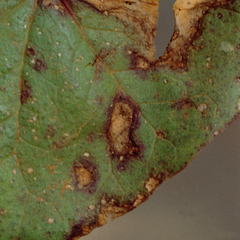 Phoma
Organisms pictured · Representative pictures of the matched species, not figures from the paper.
Verbatim
e0“The culture filtrate (CF) of A. caespitosus and Phoma sp. significantly increased the shoot length of GAs-deficient mutant waito-c and normal Dongjin-beyo rice seedlings as compared to control.”
Claim · model-written summary
The authors propose applying these endophytes to poorly growing crops.
Verbatim
e0“Application of such growth-promoting and GAs-producing endophytes can ameliorate poorly growing crop plants.”
The same questions in other papers
Phoma · growth · Oryza sativa (rice)Results agree
2 papers in the same direction as this paper
- positive
- positive
pathogen product · growth · Oryza sativa (rice)Positive and negative results
12 papers in the same direction as this paper · 10 in the opposite direction
- negative
- negative
- negative
19 papers more in this group
See all 23 papers →Claims are grouped by organism, treatment and what was measured or targeted. A paper counts as positive when any of its claims in the group is positive.