Abstract
Chitin was used as soil amendment in fiberglass field microplots, alone or with one or a combination of two to three species of Hirsutella rhossiliensis, Paecilomyces marquandii, Verticillium chlamydosporium, Bacillus thuringiensis, and Streptomyces costaricanus. Sudangrass and rapeseed were planted as cover crops and incorporated into soil as green manure amendments. Chitin amendment alone increased the marketable yield of lettuce in 1995 and reduced root-galling ratings and the reproduction of Meloidogyne hapla in both 1995 and 1996. Green manure amendments of sudangrass and rapeseed increased total and marketable yields of lettuce, and decreased root-galling ratings and the reproduction of M. hapla in 1996. Hirsutella rhossiliensis in combination with chitin increased total yield of lettuce over the chitin amendment alone in 1995. The combination of B. thuringiensis, S. costaricanus, and chitin either with or without P. marquandii increased total yield of lettuce over the chitin amendment alone in 1996. In most cases, however, the nematode-antagonistic organisms did not improve lettuce yield or further suppression of M. hapla compared to the chitin amendment alone. The introduced fungi were recoverable from the infested soil. The rifampicin-resistant mutant of B. thuringiensis was not isolated at the end of the season.
Abstract from the paper’s OpenAlex record, shown for indexing and research. Copyright remains with the authors or the publisher. Read at the source ↗
The text the model read, with the source record’s inline markup (italics, sub- and superscripts) rendered and its character entities decoded; quote offsets refer to the raw text.
Claims 17
Claim · model-written summary
Chitin alone increased marketable lettuce yield in 1995.
- Taxon
- lettuce
 Lactuca sativae0
- Treatment
- Chitin amendmente0
- Outcome
- marketable yielde0
- Direction
- increasede0
- Qualifier
- 1995e0
Not reportedComparator
Organisms pictured · Representative pictures of the matched species, not figures from the paper.

Verbatim
e0“Chitin amendment alone increased the marketable yield of lettuce in 1995”
Claim · model-written summary
Chitin alone reduced lettuce root-galling in 1995 and 1996.
- Taxon
- lettuceLactuca sativae0
- Treatment
- Chitin amendmente0
- Interactor
- Meloidogyne hapla
 Meloidogyne haplae0pathogen
- Outcome
- root-galling ratingse0
- Direction
- reducede0
- Qualifier
- both 1995 and 1996e0
Not reportedComparator
Organisms pictured · Representative pictures of the matched species, not figures from the paper.

Verbatim
e0“Chitin amendment alone increased the marketable yield of lettuce in 1995 and reduced root-galling ratings and the reproduction of Meloidogyne hapla in both 1995 and 1996”
Claim · model-written summary
Chitin alone reduced M. hapla reproduction in 1995 and 1996.
- Taxon
- lettuceLactuca sativat0
- Treatment
- Chitint0
- Interactor
- Meloidogyne haplaMeloidogyne haplae0pathogen
- Outcome
- reproduction of Meloidogyne haplae0
- Direction
- reducede0
Not reportedComparator
Organisms pictured · Representative pictures of the matched species, not figures from the paper.
Verbatim
e0“reduced root-galling ratings and the reproduction of Meloidogyne hapla in both 1995 and 1996”
t0“Suppression of Meloidogyne hapla and Its Damage to Lettuce Grown in a Mineral Soil Amended with Chitin and Biocontrol Organisms.”
Claim · model-written summary
Sudangrass green manure increased total lettuce yield in 1996.
- Taxon
- lettuceLactuca sativae0
- Treatment
- sudangrasse0
- Outcome
- totale0
- Direction
- increasede0
Not reportedComparator
Organisms pictured · Representative pictures of the matched species, not figures from the paper.
Verbatim
e0“Green manure amendments of sudangrass and rapeseed increased total and marketable yields of lettuce, and decreased root-galling ratings and the reproduction of M. hapla in 1996”
Claim · model-written summary
Rapeseed green manure increased total lettuce yield in 1996.
- Taxon
- lettuceLactuca sativae0
- Treatment
- rapeseede0
- Outcome
- totale0
- Direction
- increasede0
Not reportedComparator
Organisms pictured · Representative pictures of the matched species, not figures from the paper.
Verbatim
e0“Green manure amendments of sudangrass and rapeseed increased total and marketable yields of lettuce, and decreased root-galling ratings and the reproduction of M. hapla in 1996”
Claim · model-written summary
Sudangrass green manure increased marketable lettuce yield in 1996.
- Taxon
- lettuceLactuca sativae0
- Treatment
- sudangrasse0
- Outcome
- marketable yieldse0
- Direction
- increasede0
Not reportedComparator
Organisms pictured · Representative pictures of the matched species, not figures from the paper.
Verbatim
e0“Green manure amendments of sudangrass and rapeseed increased total and marketable yields of lettuce, and decreased root-galling ratings and the reproduction of M. hapla in 1996”
Claim · model-written summary
Rapeseed green manure increased marketable lettuce yield in 1996.
- Taxon
- lettuceLactuca sativae0
- Treatment
- rapeseede0
- Outcome
- marketable yieldse0
- Direction
- increasede0
Not reportedComparator
Organisms pictured · Representative pictures of the matched species, not figures from the paper.
Verbatim
e0“Green manure amendments of sudangrass and rapeseed increased total and marketable yields of lettuce, and decreased root-galling ratings and the reproduction of M. hapla in 1996”
Claim · model-written summary
Sudangrass green manure reduced lettuce root galling in 1996.
- Taxon
- lettuceLactuca sativae0
- Treatment
- sudangrasse0
- Interactor
- M. haplaMeloidogyne haplae0pathogen
- Outcome
- root-galling ratingse0
- Direction
- decreasede0
Not reportedComparator
Organisms pictured · Representative pictures of the matched species, not figures from the paper.
Verbatim
e0“Green manure amendments of sudangrass and rapeseed increased total and marketable yields of lettuce, and decreased root-galling ratings and the reproduction of M. hapla in 1996”
Claim · model-written summary
Rapeseed green manure reduced lettuce root galling in 1996.
- Taxon
- lettuceLactuca sativae0
- Treatment
- rapeseede0
- Interactor
- M. haplaMeloidogyne haplae0pathogen
- Outcome
- root-galling ratingse0
- Direction
- decreasede0
Not reportedComparator
Organisms pictured · Representative pictures of the matched species, not figures from the paper.
Verbatim
e0“Green manure amendments of sudangrass and rapeseed increased total and marketable yields of lettuce, and decreased root-galling ratings and the reproduction of M. hapla in 1996”
Claim · model-written summary
Sudangrass green manure reduced M. hapla reproduction in 1996.
- Taxon
- lettuceLactuca sativae0
- Treatment
- sudangrasse0
- Interactor
- M. haplaMeloidogyne haplae0pathogen
- Outcome
- reproduction of M. haplae0
- Direction
- decreasede0
Not reportedComparator
Organisms pictured · Representative pictures of the matched species, not figures from the paper.
Verbatim
e0“Green manure amendments of sudangrass and rapeseed increased total and marketable yields of lettuce, and decreased root-galling ratings and the reproduction of M. hapla in 1996”
Claim · model-written summary
Rapeseed green manure reduced M. hapla reproduction in 1996.
- Taxon
- lettuceLactuca sativae0
- Treatment
- rapeseede0
- Interactor
- M. haplaMeloidogyne haplae0pathogen
- Outcome
- reproduction of M. haplae0
- Direction
- decreasede0
Not reportedComparator
Organisms pictured · Representative pictures of the matched species, not figures from the paper.
Verbatim
e0“Green manure amendments of sudangrass and rapeseed increased total and marketable yields of lettuce, and decreased root-galling ratings and the reproduction of M. hapla in 1996”
Claim · model-written summary
Hirsutella rhossiliensis plus chitin increased total lettuce yield above chitin alone in 1995.
- Taxon
- lettuceLactuca sativae0
- Treatment
- Hirsutella rhossiliensis in combination with chitine0
- Interactor
- Hirsutella rhossiliensisHirsutella rhossiliensise0biocontrol_agent
- Outcome
- total yielde0
- Direction
- increasede0
- Comparator
- chitin amendment alonee0
Organisms pictured · Representative pictures of the matched species, not figures from the paper.
Verbatim
e0“Hirsutella rhossiliensis in combination with chitin increased total yield of lettuce over the chitin amendment alone in 1995”
Claim · model-written summary
B. thuringiensis, S. costaricanus and chitin increased total lettuce yield over chitin alone in 1996.
- Taxon
- lettuceLactuca sativae0
- Treatment
- B. thuringiensis, S. costaricanus, and chitine0
- Interactor
- B. thuringiensis
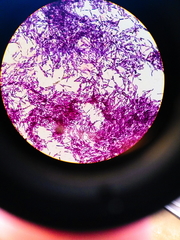 Bacillus thuringiensise0biocontrol_agent
- Second interactor
- S. costaricanusStreptomyces murinuse0biocontrol_agent
- Outcome
- total yielde0
- Direction
- increasede0
- Qualifier
- either with or without P. marquandiie0
- Comparator
- chitin amendment alonee0
Organisms pictured · Representative pictures of the matched species, not figures from the paper.
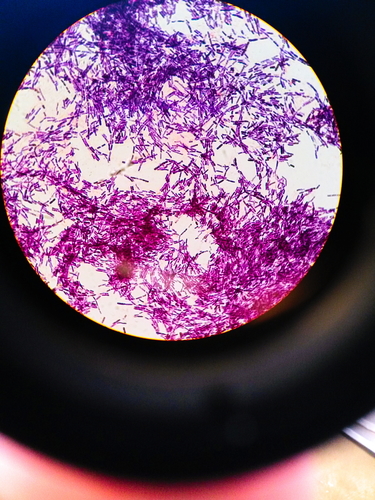
Verbatim
e0“The combination of B. thuringiensis, S. costaricanus, and chitin either with or without P. marquandii increased total yield of lettuce over the chitin amendment alone in 1996”
Claim · model-written summary
Adding nematode antagonists usually did not improve lettuce yield over chitin alone.
- Taxon
- lettuceLactuca sativae0
- Treatment
- nematode-antagonistic organismse0
- Outcome
- lettuce yielde0
- Direction
- did not improvee0
- Comparator
- chitin amendment alonee0
Organisms pictured · Representative pictures of the matched species, not figures from the paper.
Verbatim
e0“In most cases, however, the nematode-antagonistic organisms did not improve lettuce yield or further suppression of M. hapla compared to the chitin amendment alone”
Claim · model-written summary
Adding nematode antagonists usually did not further suppress M. hapla over chitin alone.
- Taxon
- lettuceLactuca sativae0
- Treatment
- nematode-antagonistic organismse0
- Interactor
- M. haplaMeloidogyne haplae0pathogen
- Outcome
- suppression of M. haplae0
- Direction
- did not improvee0
- Comparator
- chitin amendment alonee0
Organisms pictured · Representative pictures of the matched species, not figures from the paper.
Verbatim
e0“In most cases, however, the nematode-antagonistic organisms did not improve lettuce yield or further suppression of M. hapla compared to the chitin amendment alone”
Claim · model-written summary
Introduced fungi were recoverable from infested soil.
- Taxon
- lettuceLactuca sativat0
- Interactor
- introduced fungie0biocontrol_agent
- Outcome
- introduced fungi were recoverablee0
Organisms pictured · Representative pictures of the matched species, not figures from the paper.
Verbatim
e0“The introduced fungi were recoverable from the infested soil”
t0“Suppression of Meloidogyne hapla and Its Damage to Lettuce Grown in a Mineral Soil Amended with Chitin and Biocontrol Organisms.”
Claim · model-written summary
The rifampicin-resistant B. thuringiensis mutant was not isolated at season end.
- Taxon
- lettuceLactuca sativat0
- Interactor
- B. thuringiensisBacillus thuringiensise0biocontrol_agent
- Outcome
- was not isolated at the end of the seasone0
Organisms pictured · Representative pictures of the matched species, not figures from the paper.
Verbatim
e0“The rifampicin-resistant mutant of B. thuringiensis was not isolated at the end of the season”
t0“Suppression of Meloidogyne hapla and Its Damage to Lettuce Grown in a Mineral Soil Amended with Chitin and Biocontrol Organisms.”
The same questions in other papers
Sorghum x drummondii · Meloidogyne hapla · Lactuca sativa (garden lettuce)Results agree
1 paper in the same direction as this paper
- positive
Bacillus thuringiensis · yield · Lactuca sativa (garden lettuce)Results agree
1 paper in the same direction as this paper
- positive
resistance inducer · yield · Lactuca sativa (garden lettuce)Positive and negative results
2 papers in the same direction as this paper · 1 reporting no difference from an alternative
- no effect
- positive
- positive
other · quality: postharvest · Lactuca sativa (garden lettuce)Positive and negative results
5 papers in the same direction as this paper · 1 in the opposite direction
- no effect
- positive
- positive
3 papers more in this group
See all 7 papers →resistance inducer · Meloidogyne hapla · Lactuca sativa (garden lettuce)Results agree
1 paper in the same direction as this paper
- positive
Claims are grouped by organism, treatment and what was measured or targeted. A paper counts as positive when any of its claims in the group is positive.