Abstract
Studies on distribution profiling and infection indexing of seed-borne fungi of sorghum germplasm from seventeen states of India revealed the presence of a total of 43 species belonging to 23 genera of fungi. Based on average infection index, Fusarium verticillioides (26.27 ±20.96), Alternaria alternata (19.30 ±15.05), A. niger (14.40 ±7.42), Fusarium semitectum (15.44 ±10.72%), Aspergillus flavus (18.21 ±10.25), Bipolaris sorghicola (16.68 ±9.51), Curvularia lunata (11.51 ±8.49), Colletotrichum sublineolum (15.81 ±9.26) and Phoma sorghina (14.51 ±12.99) were recorded as dominant species causing grain mold of sorghum in different agro-climatic zones of India and also affecting seed germination significantly. Among dominant species, F. verticillioides, A. alternata and Exserohilum rostratum were recorded with highest average infection index from Karnataka and Aspergillus flavus from Telangana representing Southern Plateau & Hills zone. Whereas, A niger, C. lunata F. semitectum, P. sorghina and C. sublineolum were recorded with highest infection index from Maharashtra representing two agro climatic zones of the country i.e. Western Plateau & Hills and West-coast Plains & Ghats. Keeping in view the importance of sorghum as a probable contingent crop under changing climate scenario, the present findings may play a greater role in long-term conservation, exploration, evaluation and characterization of sorghum germplasm.
Abstract from the paper’s OpenAlex record; open copy licensed cc-by. Read at the source ↗
The text the model read, with the source record’s inline markup (italics, sub- and superscripts) rendered and its character entities decoded; quote offsets refer to the raw text.
Claims 16
Claim · model-written summary
A total of 43 fungal species in 23 genera were found on sorghum germplasm.
- Outcome
- presence of a total of 43 species belonging to 23 genera of fungie0
- Value
- 43 speciese0
- Qualifier
- 23 generae0
 Sorghum
Organisms pictured · Representative pictures of the matched species, not figures from the paper.

Verbatim
e0“revealed the presence of a total of 43 species belonging to 23 genera of fungi”
e1“seed-borne fungi of sorghum germplasm from seventeen states of India”
Claim · model-written summary
Fusarium verticillioides was a dominant seed-borne fungus causing grain mold of sorghum, with an average infection index of 26.27 ±20.96.
- Interactor
- Fusarium verticillioides
 Fusarium verticillioidese0pathogen
- Outcome
- average infection indexe2
- Value
- 26.27 ±20.96e0
Organisms pictured · Representative pictures of the matched species, not figures from the paper.

Verbatim
e0“Fusarium verticillioides (26.27 ±20.96)”
e1“were recorded as dominant species causing grain mold of sorghum”
e2“Based on average infection index”
Claim · model-written summary
Alternaria alternata was a dominant seed-borne fungus causing grain mold of sorghum, with an average infection index of 19.30 ±15.05.
- Interactor
- Alternaria alternata
 Alternaria alternatae0pathogen
- Outcome
- average infection indexe2
- Value
- 19.30 ±15.05e0
Organisms pictured · Representative pictures of the matched species, not figures from the paper.

Verbatim
e0“Alternaria alternata (19.30 ±15.05)”
e1“were recorded as dominant species causing grain mold of sorghum”
e2“Based on average infection index”
Claim · model-written summary
Aspergillus niger was a dominant seed-borne fungus causing grain mold of sorghum, with an average infection index of 14.40 ±7.42.
- Interactor
- A. niger
 Aspergillus nigere0pathogen
- Outcome
- average infection indexe2
- Value
- 14.40 ±7.42e0
Organisms pictured · Representative pictures of the matched species, not figures from the paper.

Verbatim
e0“A. niger (14.40 ±7.42)”
e1“were recorded as dominant species causing grain mold of sorghum”
e2“Based on average infection index”
Claim · model-written summary
Fusarium semitectum was a dominant seed-borne fungus causing grain mold of sorghum, with an average infection index of 15.44 ±10.72%.
- Interactor
- Fusarium semitectumFusarium incarnatume0pathogen
- Outcome
- average infection indexe2
- Value
- 15.44 ±10.72%e0
Organisms pictured · Representative pictures of the matched species, not figures from the paper.
Verbatim
e0“Fusarium semitectum (15.44 ±10.72%)”
e1“were recorded as dominant species causing grain mold of sorghum”
e2“Based on average infection index”
Claim · model-written summary
Aspergillus flavus was a dominant seed-borne fungus causing grain mold of sorghum, with an average infection index of 18.21 ±10.25.
- Interactor
- Aspergillus flavus
 Aspergillus flavuse0pathogen
- Outcome
- average infection indexe2
- Value
- 18.21 ±10.25e0
Organisms pictured · Representative pictures of the matched species, not figures from the paper.

Verbatim
e0“Aspergillus flavus (18.21 ±10.25)”
e1“were recorded as dominant species causing grain mold of sorghum”
e2“Based on average infection index”
Claim · model-written summary
Bipolaris sorghicola was a dominant seed-borne fungus causing grain mold of sorghum, with an average infection index of 16.68 ±9.51.
- Interactor
- Bipolaris sorghicolaBipolaris sorghicolae0pathogen
- Outcome
- average infection indexe2
- Value
- 16.68 ±9.51e0
Organisms pictured · Representative pictures of the matched species, not figures from the paper.
Verbatim
e0“Bipolaris sorghicola (16.68 ±9.51)”
e1“were recorded as dominant species causing grain mold of sorghum”
e2“Based on average infection index”
Claim · model-written summary
Curvularia lunata was a dominant seed-borne fungus causing grain mold of sorghum, with an average infection index of 11.51 ±8.49.
- Interactor
- Curvularia lunata
 Curvularia lunatae0pathogen
- Outcome
- average infection indexe2
- Value
- 11.51 ±8.49e0
Organisms pictured · Representative pictures of the matched species, not figures from the paper.

Verbatim
e0“Curvularia lunata (11.51 ±8.49)”
e1“were recorded as dominant species causing grain mold of sorghum”
e2“Based on average infection index”
Claim · model-written summary
Colletotrichum sublineolum was a dominant seed-borne fungus causing grain mold of sorghum, with an average infection index of 15.81 ±9.26.
Organisms pictured · Representative pictures of the matched species, not figures from the paper.
Verbatim
e0“Colletotrichum sublineolum (15.81 ±9.26)”
e1“were recorded as dominant species causing grain mold of sorghum”
e2“Based on average infection index”
Claim · model-written summary
Phoma sorghina was a dominant seed-borne fungus causing grain mold of sorghum, with an average infection index of 14.51 ±12.99.
- Interactor
- Phoma sorghina
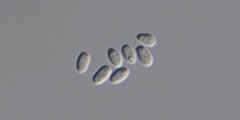 Epicoccum sorghinume0pathogen
- Outcome
- average infection indexe2
- Value
- 14.51 ±12.99e0
Organisms pictured · Representative pictures of the matched species, not figures from the paper.
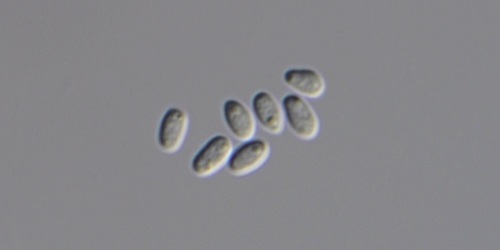
Verbatim
e0“Phoma sorghina (14.51 ±12.99)”
e1“were recorded as dominant species causing grain mold of sorghum”
e2“Based on average infection index”
Claim · model-written summary
Fusarium verticillioides, Alternaria alternata and Exserohilum rostratum had the highest average infection index in Karnataka.
- Interactor
- F. verticillioidesFusarium verticillioidese1pathogen
- Second interactor
- A. alternataAlternaria alternatae1pathogen
- Outcome
- highest average infection indexe0
- Qualifier
- Exserohilum rostratume1
- Setting
- Karnatakae0
Organisms pictured · Representative pictures of the matched species, not figures from the paper.
Verbatim
e0“were recorded with highest average infection index from Karnataka and Aspergillus flavus from Telangana”
e1“F. verticillioides, A. alternata and Exserohilum rostratum”
e2“seed-borne fungi of sorghum germplasm from seventeen states of India”
Claim · model-written summary
Aspergillus flavus had the highest average infection index in Telangana.
- Interactor
- Aspergillus flavusAspergillus flavuse1pathogen
- Outcome
- highest average infection indexe0
- Setting
- Telanganae1
Organisms pictured · Representative pictures of the matched species, not figures from the paper.
Verbatim
e0“were recorded with highest average infection index from Karnataka and Aspergillus flavus from Telangana”
e1“Aspergillus flavus from Telangana”
e2“seed-borne fungi of sorghum germplasm from seventeen states of India”
Claim · model-written summary
A. niger, C. lunata and F. semitectum had the highest infection index in Maharashtra.
- Interactor
- A nigerAspergillus nigere0pathogen
- Second interactor
- C. lunataCurvularia lunatae0pathogen
- Outcome
- highest infection indexe0
- Qualifier
- F. semitectume0
- Setting
- Maharashtrae0
Organisms pictured · Representative pictures of the matched species, not figures from the paper.
Verbatim
e0“A niger, C. lunata F. semitectum, P. sorghina and C. sublineolum were recorded with highest infection index from Maharashtra”
e2“seed-borne fungi of sorghum germplasm from seventeen states of India”
Claim · model-written summary
P. sorghina and C. sublineolum had the highest infection index in Maharashtra.
- Interactor
- P. sorghinaEpicoccum sorghinume0pathogen
- Second interactor
- C. sublineolume0pathogen
- Outcome
- highest infection indexe0
- Setting
- Maharashtrae0
Organisms pictured · Representative pictures of the matched species, not figures from the paper.
Verbatim
e0“A niger, C. lunata F. semitectum, P. sorghina and C. sublineolum were recorded with highest infection index from Maharashtra”
e2“seed-borne fungi of sorghum germplasm from seventeen states of India”
Claim · model-written summary
Seed-borne fungi significantly affected sorghum seed germination.
Not reportedDirection
Organisms pictured · Representative pictures of the matched species, not figures from the paper.
Verbatim
e0“affecting seed germination significantly”
e2“seed-borne fungi of sorghum germplasm from seventeen states of India”
Claim · model-written summary
The findings may support long-term conservation, exploration, evaluation and characterization of sorghum germplasm.
- Outcome
- long-term conservation, exploration, evaluation and characterization of sorghum germplasme4
Organisms pictured · Representative pictures of the matched species, not figures from the paper.
Verbatim
e3“Keeping in view the importance of sorghum as a probable contingent crop under changing climate scenario”
e4“the present findings may play a greater role in long-term conservation, exploration, evaluation and characterization of sorghum germplasm”