Abstract
Cumin wilt caused by Fusarium oxysporum f. sp. cumini is the most destructive abundant disease, limiting the cumin production in Egypt. The objective of this study was to evaluate the efficacy of granular bioactive formulation of Trichoderma viride (GBTV) and arbuscular mycorrhizal fungi (AM) for biological control of cumin wilt disease. Ten Trichoderma species were isolated from the rhizosphere of healthy cumin plants and tested in dual culture assay against the growth of F. oxysporum. Trichoderma viride TC40, T. hamatum and T. koningii recorded the highest reduction in the growth of the target pathogen. Under greenhouse conditions, use of AM+GBTV formulation minimized F. oxysporum incidence and increased plant survival percentages. GBTV treatment alone came the second when compared to infected control. The greatest proportional increases in cumin plant growth were elicited by GBTV formulation and/or AM treatments. The highest level of mycorrhizal root colonization was noticed in the presence or absence of thepathogen. The biochemical parameters of the infected plants with AM or by GBTV treatment showed a pronounced increase in the plant content of total phenols, peroxidase and polyphenoloxidase activities. Under field conditions, AM+GBTV treatment highly reduced disease incidence of wilt symptoms and increased plant survival as equal as chemical fungicide. It also improved plant growth parameters and yield. The suggested formula is highly recommended for Fusarium wilt management and yield production of cumin plants.
Abstract from the paper’s OpenAlex record, shown for indexing and research. Copyright remains with the authors or the publisher. Read at the source ↗
The text the model read, with the source record’s inline markup (italics, sub- and superscripts) rendered and its character entities decoded; quote offsets refer to the raw text.
Claims 13
Claim · model-written summary
In dual culture, Trichoderma viride TC40 recorded the highest reduction in growth of F. oxysporum.
- Treatment
- Trichoderma viride TC40e0
- Interactor
- F. oxysporum
 Fusarium oxysporume1pathogen
- Second interactor
- Trichoderma viride TC40
 Trichoderma viridee0biocontrol_agent
- Outcome
- growth of the target pathogene0
- Direction
- highest reductione0
- Setting
- dual culture assaye1
Not reportedTaxonComparator
Organisms pictured · Representative pictures of the matched species, not figures from the paper.


Verbatim
e0“Trichoderma viride TC40, T. hamatum and T. koningii recorded the highest reduction in the growth of the target pathogen”
e1“tested in dual culture assay against the growth of F. oxysporum”
Claim · model-written summary
In dual culture, T. hamatum recorded the highest reduction in growth of F. oxysporum.
- Treatment
- T. hamatume0
- Interactor
- F. oxysporumFusarium oxysporume1pathogen
- Second interactor
- T. hamatum
 Trichoderma hamatume0biocontrol_agent
- Outcome
- growth of the target pathogene0
- Direction
- highest reductione0
- Setting
- dual culture assaye1
Not reportedTaxonComparator
Organisms pictured · Representative pictures of the matched species, not figures from the paper.
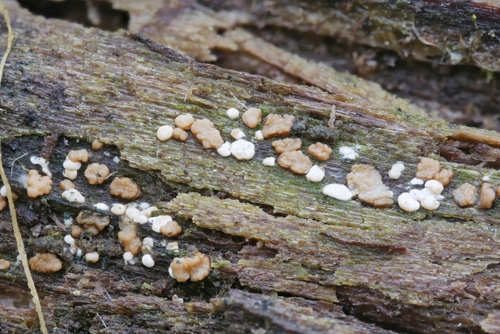
Verbatim
e0“Trichoderma viride TC40, T. hamatum and T. koningii recorded the highest reduction in the growth of the target pathogen”
e1“tested in dual culture assay against the growth of F. oxysporum”
Claim · model-written summary
In dual culture, T. koningii recorded the highest reduction in growth of F. oxysporum.
- Treatment
- T. koningiie0
- Interactor
- F. oxysporumFusarium oxysporume1pathogen
- Second interactor
- T. koningiiTrichoderma koningiie0biocontrol_agent
- Outcome
- growth of the target pathogene0
- Direction
- highest reductione0
- Setting
- dual culture assaye1
Not reportedTaxonComparator
Organisms pictured · Representative pictures of the matched species, not figures from the paper.
Verbatim
e0“Trichoderma viride TC40, T. hamatum and T. koningii recorded the highest reduction in the growth of the target pathogen”
e1“tested in dual culture assay against the growth of F. oxysporum”
Claim · model-written summary
Under greenhouse conditions, the AM+GBTV formulation minimized F. oxysporum incidence on cumin.
- Taxon
- Cumin
 Cuminum cyminumt0
- Treatment
- AM+GBTV formulatione0
- Interactor
- F. oxysporumFusarium oxysporume0pathogen
- Second interactor
- AM+GBTV formulatione0biocontrol_agent
- Outcome
- F. oxysporum incidencee0
- Direction
- minimizede0
- Setting
- greenhouse conditionse0
Not reportedComparator
Organisms pictured · Representative pictures of the matched species, not figures from the paper.
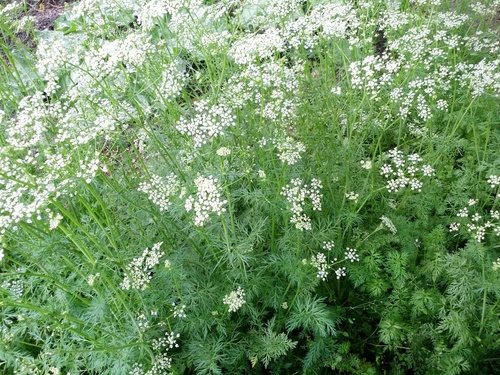
Verbatim
t0“Cumin”
e0“Under greenhouse conditions, use of AM+GBTV formulation minimized F. oxysporum incidence”
Claim · model-written summary
Under greenhouse conditions, the AM+GBTV formulation increased cumin plant survival percentages.
- Taxon
- CuminCuminum cyminumt0
- Treatment
- AM+GBTV formulatione0
- Interactor
- F. oxysporumFusarium oxysporume0pathogen
- Second interactor
- AM+GBTV formulatione0biocontrol_agent
- Outcome
- plant survival percentagese0
- Direction
- increasede0
- Setting
- greenhouse conditionse0
Not reportedComparator
Organisms pictured · Representative pictures of the matched species, not figures from the paper.
Verbatim
t0“Cumin”
e0“Under greenhouse conditions, use of AM+GBTV formulation minimized F. oxysporum incidence and increased plant survival percentages”
Claim · model-written summary
GBTV treatment alone came second to AM+GBTV when compared to the infected control.
- Taxon
- CuminCuminum cyminumt0
- Treatment
- GBTV treatment alonee0
- Outcome
- came the seconde0
- Direction
- came the seconde0
- Comparator
- infected controle0
Organisms pictured · Representative pictures of the matched species, not figures from the paper.
Verbatim
t0“Cumin”
e0“GBTV treatment alone came the second when compared to infected control”
Claim · model-written summary
The greatest proportional increases in cumin plant growth were elicited by GBTV formulation and/or AM treatments.
- Taxon
- CuminCuminum cyminumt0
- Treatment
- GBTV formulation and/or AM treatmentse0
- Interactor
- AMe0symbiont
- Second interactor
- GBTV formulatione0biocontrol_agent
- Outcome
- cumin plant growthe0
- Direction
- greatest proportional increasese0
Not reportedComparator
Organisms pictured · Representative pictures of the matched species, not figures from the paper.
Verbatim
t0“Cumin”
e0“The greatest proportional increases in cumin plant growth were elicited by GBTV formulation and/or AM treatments”
Claim · model-written summary
The highest level of mycorrhizal root colonization was noticed in the presence or absence of the pathogen.
- Taxon
- CuminCuminum cyminumt0
- Organ / stage
- roote0
- Interactor
- mycorrhizale0symbiont
- Outcome
- mycorrhizal root colonizatione0
- Qualifier
- in the presence or absence of thepathogene0
Organisms pictured · Representative pictures of the matched species, not figures from the paper.
Verbatim
t0“Cumin”
e0“The highest level of mycorrhizal root colonization was noticed in the presence or absence of thepathogen”
Claim · model-written summary
Infected cumin plants treated with AM or GBTV showed a pronounced increase in total phenols, peroxidase and polyphenoloxidase activities.
- Taxon
- CuminCuminum cyminumt0
- Treatment
- AM or by GBTV treatmente0
- Interactor
- AMe0symbiont
- Second interactor
- GBTVe0biocontrol_agent
- Outcome
- total phenols, peroxidase and polyphenoloxidase activitiese0
- Direction
- pronounced increasee0
Not reportedComparator
Organisms pictured · Representative pictures of the matched species, not figures from the paper.
Verbatim
t0“Cumin”
e0“The biochemical parameters of the infected plants with AM or by GBTV treatment showed a pronounced increase in the plant content of total phenols, peroxidase and polyphenoloxidase activities”
Claim · model-written summary
Under field conditions, AM+GBTV treatment highly reduced disease incidence of wilt symptoms, as equal as chemical fungicide.
- Taxon
- CuminCuminum cyminumt0
- Treatment
- AM+GBTV treatmente0
- Interactor
- wilte0pathogen
- Second interactor
- AM+GBTV treatmente0biocontrol_agent
- Outcome
- disease incidence of wilt symptomse0
- Direction
- highly reducede0
- Comparator
- chemical fungicidee0
- Setting
- field conditionse0
Organisms pictured · Representative pictures of the matched species, not figures from the paper.
Verbatim
t0“Cumin”
e0“Under field conditions, AM+GBTV treatment highly reduced disease incidence of wilt symptoms and increased plant survival as equal as chemical fungicide”
Claim · model-written summary
Under field conditions, AM+GBTV treatment increased plant survival as equal as chemical fungicide.
- Taxon
- CuminCuminum cyminumt0
- Treatment
- AM+GBTV treatmente0
- Interactor
- wilte0pathogen
- Second interactor
- AM+GBTV treatmente0biocontrol_agent
- Outcome
- plant survivale0
- Direction
- increasede0
- Comparator
- chemical fungicidee0
- Setting
- field conditionse0
Organisms pictured · Representative pictures of the matched species, not figures from the paper.
Verbatim
t0“Cumin”
e0“Under field conditions, AM+GBTV treatment highly reduced disease incidence of wilt symptoms and increased plant survival as equal as chemical fungicide”
Claim · model-written summary
Under field conditions, AM+GBTV treatment also improved plant growth parameters and yield.
- Taxon
- CuminCuminum cyminumt0
- Treatment
- AM+GBTV treatmente0
- Interactor
- AMe0symbiont
- Second interactor
- AM+GBTV treatmente0biocontrol_agent
- Outcome
- plant growth parameters and yielde1
- Direction
- improvede1
- Setting
- field conditionse0
Not reportedComparator
Organisms pictured · Representative pictures of the matched species, not figures from the paper.
Verbatim
t0“Cumin”
e0“Under field conditions, AM+GBTV treatment”
e1“It also improved plant growth parameters and yield”
Claim · model-written summary
The authors highly recommend the suggested formula for Fusarium wilt management and yield production of cumin plants.
- Taxon
- cuminCuminum cyminume0
- Outcome
- Fusarium wilt management and yield productione0
 Fusarium
Organisms pictured · Representative pictures of the matched species, not figures from the paper.

Verbatim
e0“The suggested formula is highly recommended for Fusarium wilt management and yield production of cumin plants”
The same questions in other papers
Trichoderma viride · yield · Cuminum cyminum (cumin)Results agree
1 paper in the same direction as this paper
- positive
Trichoderma viride · growth · Cuminum cyminum (cumin)Results agree
2 papers in the same direction as this paper
- positive
- positive
mycorrhiza · yield · Cuminum cyminum (cumin)Positive and negative results
1 paper in the same direction as this paper · 1 in the opposite direction
- no effect
- positive
Claims are grouped by organism, treatment and what was measured or targeted. A paper counts as positive when any of its claims in the group is positive.