Abstract
Potential barrier materials (diatomaceous earth, hydrated lime, sulfur, fumed silica, wood ash) and chemical repellents (2 essential oil-based sprays) were evaluated for their efficacy to prevent herbivory by the Florida leatherleaf slug, Leidyula floridana (Leidy, 1851) (Gastropoda: Veronicellidae) by placing a band of material around the plant tissue or by direct application to foliage. Hydrated lime and sulfur effectively prevented foliage damage compared with the other 3 materials when presented as barriers. Dusting or sprinkling these barrier materials on foliage generally did not inhibit feeding by slugs, but sprinkling hydrated lime or wood ash onto foliage significantly reduced herbivory. Two commercially available essential oil formulations were evaluated for their effectiveness at repelling L. floridana. Pure ‘N’ Natural Snail & Slug Away (a cinnamon oil-based product) was quite effective whereas Slug & Snail Defense (containing cedar oil, pine oil, peppermint oil, and white pepper) was ineffective. Contact toxicities of barrier materials and essential oil products were assessed, and compared with a metaldehyde-based bait (Corry's Slug and Snail Pellets), an iron phosphate-based bait (Ecosense Slug and Snail Pellets), and a sulfur-based bait (Ortho Bug-getta Snail and Slug Killer2). Mortality of slugs was high when slugs were exposed to metaldehyde, hydrated lime, and the cinnamon oil-based spray. Iron phosphate bait, sulfur bait, and fumed silica were less effective but provided some reduction in herbivory. Soil moisture adversely affected efficacy of barrier materials, significantly compromising functionality relative to dry soils. Water uptake from soil by barrier materials was positively correlated with foliage consumption but pH was negatively correlated. Because of the negative correlation of pH with consumption, the negative effects of soil moisture on barrier effectiveness, and the rapid physiological response of slugs to some materials, these barrier materials are perhaps better considered to be physiochemical barriers rather than physical barriers.
Abstract from the paper’s OpenAlex record; open copy licensed cc-by. Read at the source ↗
The text the model read, with the source record’s inline markup (italics, sub- and superscripts) rendered and its character entities decoded; quote offsets refer to the raw text.
Claims 12
Claim · model-written summary
Hydrated lime and sulfur barriers effectively prevented foliage damage by slugs, compared with the other 3 materials.
- Taxon
- PlantsViridiplantaet0
- Treatment
- Hydrated lime and sulfure1
- Interactor
- Leidyula floridana
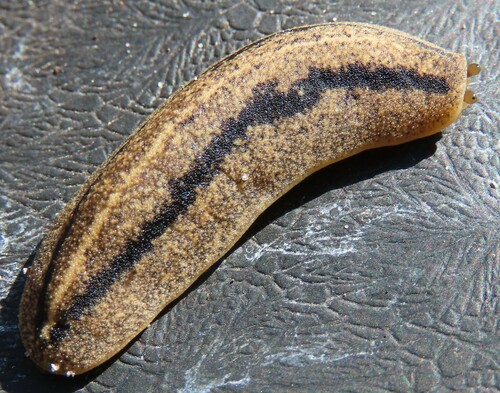
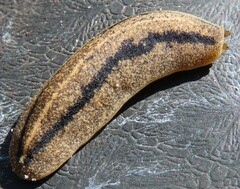 Leidyula floridanae0herbivore
- Outcome
- foliage damagee1
- Direction
- preventede1
- Qualifier
- when presented as barrierse1
- Comparator
- the other 3 materialse1
Organisms pictured · Representative pictures of the matched species, not figures from the paper.
Verbatim
t0“Protect Plants from Florida Leatherleaf Slug”
e0“prevent herbivory by the Florida leatherleaf slug, Leidyula floridana”
e1“Hydrated lime and sulfur effectively prevented foliage damage compared with the other 3 materials when presented as barriers”
Claim · model-written summary
Dusting or sprinkling barrier materials on foliage generally did not inhibit feeding by slugs.
- Taxon
- PlantsViridiplantaet0
- Treatment
- Dusting or sprinkling these barrier materials on foliagee2
- Interactor
- slugse2herbivore
- Outcome
- feeding by slugse2
- Direction
- did not inhibite2
Not reportedComparator
Verbatim
t0“Protect Plants from Florida Leatherleaf Slug”
e2“Dusting or sprinkling these barrier materials on foliage generally did not inhibit feeding by slugs”
Claim · model-written summary
Sprinkling hydrated lime or wood ash onto foliage significantly reduced slug herbivory.
- Taxon
- PlantsViridiplantaet0
- Treatment
- sprinkling hydrated lime or wood ash onto foliagee3
- Interactor
- Leidyula floridanaLeidyula floridanae0herbivore
- Outcome
- herbivorye3
- Direction
- reducede3
Not reportedComparator
Organisms pictured · Representative pictures of the matched species, not figures from the paper.
Verbatim
t0“Protect Plants from Florida Leatherleaf Slug”
e0“prevent herbivory by the Florida leatherleaf slug, Leidyula floridana”
e3“sprinkling hydrated lime or wood ash onto foliage significantly reduced herbivory”
Claim · model-written summary
A cinnamon oil-based product was quite effective at repelling L. floridana, compared with Slug & Snail Defense.
- Taxon
- PlantsViridiplantaet0
- Treatment
- a cinnamon oil-based producte5
- Interactor
- L. floridanaLeidyula floridanae4herbivore
- Outcome
- effectiveness at repelling L. floridanae4
- Direction
- quite effectivee5
- Comparator
- Slug & Snail Defensee5
Organisms pictured · Representative pictures of the matched species, not figures from the paper.
Verbatim
t0“Protect Plants from Florida Leatherleaf Slug”
e4“Two commercially available essential oil formulations were evaluated for their effectiveness at repelling L. floridana”
e5“(a cinnamon oil-based product) was quite effective whereas Slug & Snail Defense (containing cedar oil, pine oil, peppermint oil, and white pepper) was ineffective”
Claim · model-written summary
Slug & Snail Defense essential oil spray was ineffective at repelling L. floridana.
- Taxon
- PlantsViridiplantaet0
- Treatment
- Slug & Snail Defensee5
- Interactor
- L. floridanaLeidyula floridanae4herbivore
- Outcome
- effectiveness at repelling L. floridanae4
- Direction
- ineffectivee5
- Comparator
- a cinnamon oil-based producte5
Organisms pictured · Representative pictures of the matched species, not figures from the paper.
Verbatim
t0“Protect Plants from Florida Leatherleaf Slug”
e4“Two commercially available essential oil formulations were evaluated for their effectiveness at repelling L. floridana”
e5“(a cinnamon oil-based product) was quite effective whereas Slug & Snail Defense (containing cedar oil, pine oil, peppermint oil, and white pepper) was ineffective”
Claim · model-written summary
Slug mortality was high when slugs were exposed to metaldehyde, hydrated lime, and the cinnamon oil-based spray.
- Taxon
- PlantsViridiplantaet0
- Treatment
- metaldehyde, hydrated lime, and the cinnamon oil-based spraye6
- Interactor
- slugse6herbivore
- Outcome
- Mortality of slugse6
- Direction
- highe6
Not reportedComparator
Verbatim
t0“Protect Plants from Florida Leatherleaf Slug”
e6“Mortality of slugs was high when slugs were exposed to metaldehyde, hydrated lime, and the cinnamon oil-based spray”
Claim · model-written summary
Iron phosphate bait, sulfur bait and fumed silica gave some reduction in slug herbivory.
- Taxon
- PlantsViridiplantaet0
- Treatment
- Iron phosphate bait, sulfur bait, and fumed silicae7
- Interactor
- Leidyula floridanaLeidyula floridanae0herbivore
- Outcome
- herbivorye7
- Direction
- some reductione7
Not reportedComparator
Organisms pictured · Representative pictures of the matched species, not figures from the paper.
Verbatim
t0“Protect Plants from Florida Leatherleaf Slug”
e0“prevent herbivory by the Florida leatherleaf slug, Leidyula floridana”
e7“Iron phosphate bait, sulfur bait, and fumed silica were less effective but provided some reduction in herbivory”
Claim · model-written summary
Iron phosphate bait, sulfur bait and fumed silica were less effective than the other tested products.
- Taxon
- PlantsViridiplantaet0
- Treatment
- Iron phosphate bait, sulfur bait, and fumed silicae7
- Outcome
- less effectivee7
- Direction
- less effectivee7
Not reportedComparator
Verbatim
t0“Protect Plants from Florida Leatherleaf Slug”
e7“Iron phosphate bait, sulfur bait, and fumed silica were less effective but provided some reduction in herbivory”
Claim · model-written summary
Soil moisture significantly compromised the efficacy of barrier materials relative to dry soils.
Verbatim
t0“Protect Plants from Florida Leatherleaf Slug”
e1“Soil moisture adversely affected efficacy of barrier materials, significantly compromising functionality relative to dry soils”
Claim · model-written summary
Water uptake from soil by barrier materials was positively correlated with foliage consumption.
- Taxon
- PlantsViridiplantaet0
- Treatment
- Water uptake from soil by barrier materialse1
- Outcome
- foliage consumptione1
- Direction
- positively correlatede1
Verbatim
t0“Protect Plants from Florida Leatherleaf Slug”
e1“Water uptake from soil by barrier materials was positively correlated with foliage consumption but pH was negatively correlated”
Claim · model-written summary
Soil pH was negatively correlated with foliage consumption.
- Taxon
- PlantsViridiplantaet0
- Treatment
- pHe1
- Outcome
- foliage consumptione1
- Direction
- negatively correlatede1
Verbatim
t0“Protect Plants from Florida Leatherleaf Slug”
e1“Water uptake from soil by barrier materials was positively correlated with foliage consumption but pH was negatively correlated”
Claim · model-written summary
The barrier materials are perhaps better considered physiochemical barriers rather than physical barriers.
- Taxon
- PlantsViridiplantaet0
- Outcome
- physiochemical barriers rather than physical barrierse1
- Qualifier
- Because of the negative correlation of pH with consumptione1
Verbatim
t0“Protect Plants from Florida Leatherleaf Slug”
e1“Because of the negative correlation of pH with consumption, the negative effects of soil moisture on barrier effectiveness, and the rapid physiological response of slugs to some materials, these barrier materials are perhaps better considered to be physiochemical barriers rather than physical barriers”
The same questions in other papers
application · pest · Viridiplantae (plants)Results agree
6 papers in the same direction as this paper
- positive
- positive
- positive
3 papers more in this group
See all 7 papers →Claims are grouped by organism, treatment and what was measured or targeted. A paper counts as positive when any of its claims in the group is positive.