Abstract
Abstract Sclerotinia sclerotiorum (Lib.) de Bary is considered as one of the most harmful soilborne pathogens, which reduces productivity of horticultural crops. Currently used chemical or biological methods for the eradication of S. sclerotiorum from a soil are not very effective. The aim of this study was to evaluate the possibility of eradication of S. sclerotiorum sclerotia from a soil using the Trichoderma isolates, which were multiplied on the organic carriers prepared from agro-industrial wastes and by-products: WsA (wheat straw + apple pomaces), WsP (wheat straw + potato pulp) and T-GRAN (dry onion rind, apples and strawberry pomaces, rapeseed meal). The results showed that soil amendment with organic materials overgrown with the Trichoderma fungi had a significant reducing effect on S. sclerotiorum . Especially effective was the carrier WsA overgrown with T. virens TRS114, which completely prevented the survival of sclerotia of S. sclerotiorum regardless of the dose of application. Less effective was the WsP carrier. However, addition WsP overgrown with T. atroviride TRS40 at the 5% w/v, resulted in survival only 6.7% of sclerotia. In the greenhouse experiments with lettuce, the application of granulates T-GRAN into the soil had different impact on S. sclerotiorum depending on the conditions to the pathogen development. In conducive conditions, an addition of the organic substances without Trichoderma significantly decreased the yield of lettuce plants. A positive effect on the growth of plants was observed after the application of T-GRAN overgrown with Trichoderma .
Abstract from the paper’s OpenAlex record; open copy licensed cc-by-nc-nd. Read at the source ↗
The text the model read, with the source record’s inline markup (italics, sub- and superscripts) rendered and its character entities decoded; quote offsets refer to the raw text.
Claims 6
Claim · model-written summary
Trichoderma-colonized organic soil amendments significantly reduced S. sclerotiorum.
- Taxon
- lettuce
 Lactuca sativae1
- Treatment
- soil amendment with organic materials overgrown with the Trichoderma fungie0
- Interactor
- S. sclerotiorum
 Sclerotinia sclerotiorume0pathogen
- Second interactor
- Trichoderma fungie0biocontrol_agent
- Outcome
- S. sclerotiorume0
- Direction
- reducinge0
Not reportedComparator
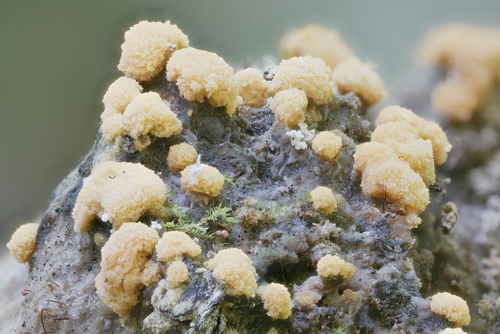
Organisms pictured · Representative pictures of the matched species, not figures from the paper.


Verbatim
e0“soil amendment with organic materials overgrown with the Trichoderma fungi had a significant reducing effect on S. sclerotiorum .”
e1“In the greenhouse experiments with lettuce”
Claim · model-written summary
WsA with T. virens TRS114 completely prevented S. sclerotiorum sclerotial survival regardless of dose.
- Taxon
- lettuceLactuca sativae1
- Treatment
- carrier WsA overgrown with T. virens TRS114e0
- Interactor
- S. sclerotiorumSclerotinia sclerotiorume0pathogen
- Second interactor
- T. virens TRS114Trichoderma virense0biocontrol_agent
- Outcome
- survival of sclerotia of S. sclerotiorume0
- Direction
- completely preventede0
- Qualifier
- regardless of the dose of applicatione0
Not reportedComparator
Organisms pictured · Representative pictures of the matched species, not figures from the paper.
Verbatim
e0“carrier WsA overgrown with T. virens TRS114, which completely prevented the survival of sclerotia of S. sclerotiorum regardless of the dose of application.”
e1“In the greenhouse experiments with lettuce”
Claim · model-written summary
The WsP carrier was less effective.
- Taxon
- lettuceLactuca sativae1
- Treatment
- WsP carriere0
- Outcome
- Less effectivee0
- Direction
- Less effectivee0
Organisms pictured · Representative pictures of the matched species, not figures from the paper.
Verbatim
e0“Less effective was the WsP carrier.”
e1“In the greenhouse experiments with lettuce”
Claim · model-written summary
WsP with T. atroviride TRS40 at 5% w/v left 6.7% of sclerotia surviving.
- Taxon
- lettuceLactuca sativae2
- Treatment
- WsP overgrown with T. atroviride TRS40 at the 5% w/ve0
- Interactor
- Sclerotinia sclerotiorumSclerotinia sclerotiorume1pathogen
- Second interactor
- T. atroviride TRS40
 Trichoderma atroviridee0biocontrol_agent
- Outcome
- survival only 6.7% of sclerotiae0
- Value
- 6.7%e0
Not reportedComparatorDirection
Organisms pictured · Representative pictures of the matched species, not figures from the paper.
Verbatim
e0“addition WsP overgrown with T. atroviride TRS40 at the 5% w/v, resulted in survival only 6.7% of sclerotia.”
e1“Sclerotinia sclerotiorum (Lib.) de Bary”
e2“In the greenhouse experiments with lettuce”
Claim · model-written summary
Under pathogen-conducive conditions, organic substances without Trichoderma significantly decreased lettuce yield.
- Taxon
- lettuceLactuca sativae0
- Treatment
- addition of the organic substances without Trichodermae0
- Outcome
- yield of lettuce plantse0
- Direction
- decreasede0
- Qualifier
- In conducive conditionse0
Not reportedComparator
Organisms pictured · Representative pictures of the matched species, not figures from the paper.
Verbatim
e0“In conducive conditions, an addition of the organic substances without Trichoderma significantly decreased the yield of lettuce plants.”
Claim · model-written summary
T-GRAN with Trichoderma positively affected lettuce plant growth.
- Taxon
- lettuceLactuca sativae1
- Treatment
- application of T-GRAN overgrown with Trichodermae0
- Interactor
- Trichoderma
 Trichodermae0biocontrol_agent
- Outcome
- growth of plantse0
- Direction
- positive effecte0
Not reportedComparator
Organisms pictured · Representative pictures of the matched species, not figures from the paper.

Verbatim
e0“A positive effect on the growth of plants was observed after the application of T-GRAN overgrown with Trichoderma .”
e1“In the greenhouse experiments with lettuce”
The same questions in other papers
Trichoderma · growth · Lactuca sativa (garden lettuce)Results differ
6 papers in the same direction as this paper · 1 in the opposite direction
- no effect
- positive
- positive
4 papers more in this group
See all 8 papers →Trichoderma · yield · Lactuca sativa (garden lettuce)Positive and negative results
2 in the opposite direction
- positive
- positive
Trichoderma · Sclerotinia sclerotiorum · Lactuca sativa (garden lettuce)Results agree
3 papers in the same direction as this paper
- positive
- positive
- positive
other · Sclerotinia sclerotiorum · Lactuca sativa (garden lettuce)Results agree
2 papers in the same direction as this paper
- positive
- positive
Claims are grouped by organism, treatment and what was measured or targeted. A paper counts as positive when any of its claims in the group is positive.