Abstract
ABSTRACT The potential of the mycoparasite, Verticillium lecanii, at protecting citrus fruits against green mold was explored at the cellular level. Treatmentthe fruit with V. lecanii or chitosan prior to inoculation with the causal agent of green mold, Penicillium digitatum, markedly reduced disease development compared with that of nontreated control citrus fruits in which symptoms were visible by 3 days after inoculation with the pathogen. Scanning electron microscope investigations of citrus samples, collected 5 days after inoculation with the pathogen, revealed striking differences in the extent of cell surface colonization between treated and nontreated fruits. Pathogen hyphae, which sporulated abundantly at the surface of control fruits, were collapsed and severely damaged in V. lecanii and chitosan-treated fruits. Histological observations of citrus samples confirmed that restriction of pathogen colonization at the cell surface correlated with a pronounced disorganization of the pathogen hyphae. In addition, host cell changes, mainly characterized by the deposition of a new material in the exocarp cells and the thickening of cell walls, were observed. Ultrastructural investigations of citrus samples revealed that the pathogen multiplied abundantly through much of the mesocarp and exocarp tissues in V. lecanii-free citrus fruits, whereas in V. lecanii-treated citrus, pathogen growth was restricted. Penicillium hyphae that penetrated the mesocarp tissue were markedly altered. Labeling with the wheat germ agglutinin/ovomucoid-gold complex for the localization of chitin resulted in an irregular labeling of Penicillium cell walls, even at a time when in an irregular labeling of Penicillium cell walls, even at a time when these were markedly altered. Cytochemical investigations revealed that callose and lignin-like compounds accumulated at sites of pathogen colonization in the exocarp tissue. Evidence is provided in this study that V. lecanii as well as chitosan are equally capable of inducing a striking response in P. digitatum-infected citrus fruits. The marked differences observed in the rate and extent of colonization as well as in pathogen cell viability between control and treated citrus fruits demonstrate that both treatments have the ability to induce the transcriptional activation of defense genes leading to the accumulation of structural and biochemical compounds at strategic sites.
Abstract from the paper’s OpenAlex record, shown for indexing and research. Copyright remains with the authors or the publisher. Read at the source ↗
The text the model read, with the source record’s inline markup (italics, sub- and superscripts) rendered and its character entities decoded; quote offsets refer to the raw text.
Claims 12
Claim · model-written summary
Treating citrus fruit with V. lecanii before inoculation with Penicillium digitatum markedly reduced disease development compared with nontreated control fruits.
- Treatment
- V. lecaniie0
- Interactor
- Penicillium digitatum
 Penicillium digitatume0pathogen
- Second interactor
- V. lecanii
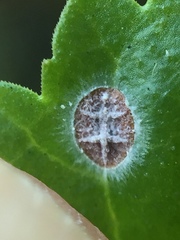 Akanthomyces lecaniie0biocontrol_agent
- Outcome
- disease developmente0
- Direction
- reducede0
- Comparator
- nontreated controle0
 Citrus
Organisms pictured · Representative pictures of the matched species, not figures from the paper.


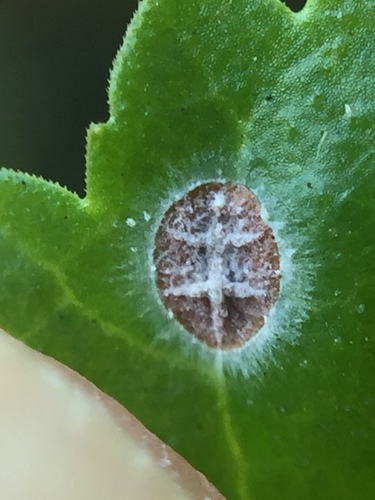
Verbatim
e0“V. lecanii or chitosan prior to inoculation with the causal agent of green mold, Penicillium digitatum, markedly reduced disease development compared with that of nontreated control citrus fruits”
Claim · model-written summary
Treating citrus fruit with chitosan before inoculation with Penicillium digitatum markedly reduced disease development compared with nontreated control fruits.
- Treatment
- chitosane0
- Interactor
- Penicillium digitatumPenicillium digitatume0pathogen
- Outcome
- disease developmente0
- Direction
- reducede0
- Comparator
- nontreated controle0
Organisms pictured · Representative pictures of the matched species, not figures from the paper.
Verbatim
e0“V. lecanii or chitosan prior to inoculation with the causal agent of green mold, Penicillium digitatum, markedly reduced disease development compared with that of nontreated control citrus fruits”
Claim · model-written summary
Pathogen hyphae that sporulated abundantly on control fruit surfaces were collapsed and severely damaged in V. lecanii-treated fruits.
Not reportedDirection
Organisms pictured · Representative pictures of the matched species, not figures from the paper.
Verbatim
t0“Citrus Fruit”
e0“Pathogen hyphae, which sporulated abundantly at the surface of control fruits, were collapsed and severely damaged in V. lecanii and chitosan-treated fruits”
Claim · model-written summary
Pathogen hyphae that sporulated abundantly on control fruit surfaces were collapsed and severely damaged in chitosan-treated fruits.
Not reportedDirection
Organisms pictured · Representative pictures of the matched species, not figures from the paper.
Verbatim
t0“Citrus Fruit”
e0“Pathogen hyphae, which sporulated abundantly at the surface of control fruits, were collapsed and severely damaged in V. lecanii and chitosan-treated fruits”
Claim · model-written summary
Histological observations of citrus samples showed that restriction of pathogen colonization at the cell surface correlated with pronounced disorganization of the pathogen hyphae.
Not reportedDirection
Organisms pictured · Representative pictures of the matched species, not figures from the paper.
Verbatim
e0“Histological observations of citrus samples confirmed that restriction of pathogen colonization at the cell surface correlated with a pronounced disorganization of the pathogen hyphae”
Claim · model-written summary
Host cell changes in citrus fruit were observed, mainly deposition of new material in exocarp cells and thickening of cell walls.
- Organ / stage
- exocarp cellse0
- Outcome
- deposition of a new material in the exocarp cells and the thickening of cell wallse0
Organisms pictured · Representative pictures of the matched species, not figures from the paper.
Verbatim
t0“Citrus Fruit”
e0“host cell changes, mainly characterized by the deposition of a new material in the exocarp cells and the thickening of cell walls, were observed”
Claim · model-written summary
The pathogen multiplied abundantly in mesocarp and exocarp of V. lecanii-free citrus fruit, whereas pathogen growth was restricted in V. lecanii-treated citrus.
- Treatment
- V. lecaniie0
- Interactor
- pathogene0pathogen
- Second interactor
- V. lecaniiAkanthomyces lecaniie0biocontrol_agent
- Outcome
- pathogen growthe0
- Direction
- restrictede0
- Comparator
- V. lecanii-free citrus fruitse0
Organisms pictured · Representative pictures of the matched species, not figures from the paper.
Verbatim
e0“the pathogen multiplied abundantly through much of the mesocarp and exocarp tissues in V. lecanii-free citrus fruits, whereas in V. lecanii-treated citrus, pathogen growth was restricted”
Claim · model-written summary
Penicillium hyphae that penetrated the mesocarp tissue were markedly altered.
- Taxon
- Penicillium
 Penicilliume0
- Organ / stage
- mesocarp tissuee0
- Outcome
- hyphae that penetrated the mesocarp tissue were markedly alterede0
Organisms pictured · Representative pictures of the matched species, not figures from the paper.

Verbatim
e0“Penicillium hyphae that penetrated the mesocarp tissue were markedly altered”
Claim · model-written summary
Chitin labeling with wheat germ agglutinin/ovomucoid-gold complex was irregular on Penicillium cell walls.
- Taxon
- PenicilliumPenicilliume0
- Outcome
- irregular labeling of Penicillium cell wallse0
- Qualifier
- wheat germ agglutinin/ovomucoid-gold complex for the localization of chitine0
Organisms pictured · Representative pictures of the matched species, not figures from the paper.
Verbatim
e0“Labeling with the wheat germ agglutinin/ovomucoid-gold complex for the localization of chitin resulted in an irregular labeling of Penicillium cell walls”
Claim · model-written summary
Callose and lignin-like compounds accumulated at sites of pathogen colonization in citrus exocarp tissue.
- Organ / stage
- exocarp tissuee0
- Outcome
- callose and lignin-like compounds accumulatede0
- Direction
- accumulatede0
Organisms pictured · Representative pictures of the matched species, not figures from the paper.
Verbatim
t0“Citrus Fruit”
e0“callose and lignin-like compounds accumulated at sites of pathogen colonization in the exocarp tissue”
Claim · model-written summary
V. lecanii was as capable as chitosan of inducing a striking response in P. digitatum-infected citrus fruit.
- Treatment
- V. lecaniie0
- Interactor
- P. digitatumPenicillium digitatume0pathogen
- Second interactor
- V. lecaniiAkanthomyces lecaniie0biocontrol_agent
- Outcome
- striking responsee0
- Direction
- equallye0
- Comparator
- chitosane0
Organisms pictured · Representative pictures of the matched species, not figures from the paper.
Verbatim
e0“V. lecanii as well as chitosan are equally capable of inducing a striking response in P. digitatum-infected citrus fruits”
Claim · model-written summary
Authors conclude both treatments induce transcriptional activation of defense genes leading to accumulation of structural and biochemical compounds at strategic sites in citrus fruit.
- Treatment
- both treatmentse0
- Gene
- defense genese0
- Outcome
- accumulation of structural and biochemical compoundse0
- Qualifier
- transcriptional activatione0
Organisms pictured · Representative pictures of the matched species, not figures from the paper.
Verbatim
e0“control and treated citrus fruits demonstrate that both treatments have the ability to induce the transcriptional activation of defense genes leading to the accumulation of structural and biochemical compounds at strategic sites”
The same questions in other papers
Akanthomyces lecanii · disease · CitrusResults agree
1 paper in the same direction as this paper
- positive
chitosan · Penicillium digitatum · CitrusResults agree
2 papers in the same direction as this paper
- positive
- positive
Claims are grouped by organism, treatment and what was measured or targeted. A paper counts as positive when any of its claims in the group is positive.