Abstract
Plants in which growth was reduced by low and high Al applications were designated as AI-sensitive plant (Hordeum vulgare) and AI-medium tolerant plants (Leucaena leucocephala, Ischaemum barbatum, Stylosanthes guianensis, and Fagopyrum esculentum), respectively, while plants in which growth was not affected or was stimulated by Al application were designated as AI-tolerant plant (Brachia ria ruziziensis) and AI-stimulated plants (Melastoma malabathricum, Melaleuca cajuputi, Acacia mangium, Hydrangea macrophyila, Vaccinium macrocarpon, Polygonum sachalinense, and Oryza sativa), respectively.Plants tolerant to or stimulated by Al were further classified based on the criteria of Al accumulation: 1) AI-excluders such as M. cajuputi, A. mangium, L. leucocephala, 1. barbatum, S. guianensis, and O. sativa, 2) Al root-accumulators such as V. macrocarpon, B. ruziziensis, and P. sachalinense, and 3) AI-accumulators such as M. malabathricum, H. macrophylla, and F. esculentum.The growth and N, P, and K uptake in M. malabathricum, M
Abstract from the paper’s OpenAlex record, shown for indexing and research. Copyright remains with the authors or the publisher. Read at the source ↗
The text the model read, with the source record’s inline markup (italics, sub- and superscripts) rendered and its character entities decoded; quote offsets refer to the raw text.
Claims 10
Claim · model-written summary
Hordeum vulgare growth was reduced by low aluminum applications.
- Taxon
- Hordeum vulgare
 Hordeum vulgaree0
- Treatment
- low and high Al applicationse0
- Outcome
- growthe0
- Direction
- reducede0
Not reportedComparator
Organisms pictured · Representative pictures of the matched species, not figures from the paper.

Verbatim
e0“growth was reduced by low and high Al applications were designated as AI-sensitive plant (Hordeum vulgare)”
Claim · model-written summary
Leucaena leucocephala was classified as medium aluminum tolerant.
- Taxon
- Leucaena leucocephala
 Leucaena leucocephalae0
- Outcome
- AI-medium tolerante0
Organisms pictured · Representative pictures of the matched species, not figures from the paper.

Verbatim
e0“AI-medium tolerant plants (Leucaena leucocephala, Ischaemum barbatum, Stylosanthes guianensis, and Fagopyrum esculentum)”
Claim · model-written summary
Ischaemum barbatum was classified as medium aluminum tolerant.
- Taxon
- Ischaemum barbatum
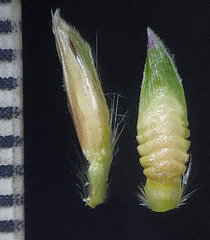 Ischaemum barbatume0
- Outcome
- AI-medium tolerante0
Organisms pictured · Representative pictures of the matched species, not figures from the paper.
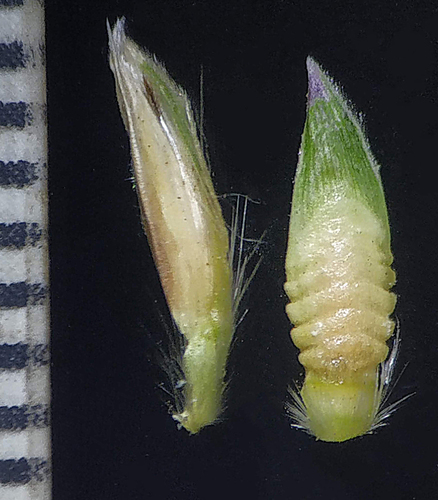
Verbatim
e0“AI-medium tolerant plants (Leucaena leucocephala, Ischaemum barbatum, Stylosanthes guianensis, and Fagopyrum esculentum)”
Claim · model-written summary
Stylosanthes guianensis was classified as medium aluminum tolerant.
- Taxon
- Stylosanthes guianensis
 Stylosanthes guianensise0
- Outcome
- AI-medium tolerante0
Organisms pictured · Representative pictures of the matched species, not figures from the paper.

Verbatim
e0“AI-medium tolerant plants (Leucaena leucocephala, Ischaemum barbatum, Stylosanthes guianensis, and Fagopyrum esculentum)”
Claim · model-written summary
Fagopyrum esculentum was classified as medium aluminum tolerant.
- Taxon
- Fagopyrum esculentum
 Fagopyrum esculentume0
- Outcome
- AI-medium tolerante0
Organisms pictured · Representative pictures of the matched species, not figures from the paper.

Verbatim
e0“AI-medium tolerant plants (Leucaena leucocephala, Ischaemum barbatum, Stylosanthes guianensis, and Fagopyrum esculentum)”
Claim · model-written summary
Brachia ria ruziziensis was aluminum tolerant.
Verbatim
e0“AI-tolerant plant (Brachia ria ruziziensis)”
Claim · model-written summary
The listed seven plant species were classified as aluminum stimulated.
- Taxon
- Melastoma malabathricum
 Melastoma malabathricume0
- Outcome
- AI-stimulatede0
Organisms pictured · Representative pictures of the matched species, not figures from the paper.

Verbatim
e0“AI-stimulated plants (Melastoma malabathricum, Melaleuca cajuputi, Acacia mangium, Hydrangea macrophyila, Vaccinium macrocarpon, Polygonum sachalinense, and Oryza sativa)”
Claim · model-written summary
Melaleuca cajuputi was classified as an aluminum excluder.
- Taxon
- M. cajuputi
 Melaleuca cajuputie0
- Outcome
- AI-excluderse0
Organisms pictured · Representative pictures of the matched species, not figures from the paper.

Verbatim
e0“AI-excluders such as M. cajuputi, A. mangium, L. leucocephala, 1. barbatum, S. guianensis, and O. sativa”
Claim · model-written summary
Vaccinium macrocarpon was a root aluminum accumulator.
- Taxon
- V. macrocarpon
 Vaccinium macrocarpone0
- Outcome
- Al root-accumulatorse0
Organisms pictured · Representative pictures of the matched species, not figures from the paper.

Verbatim
e0“Al root-accumulators such as V. macrocarpon, B. ruziziensis, and P. sachalinense”
Claim · model-written summary
Melastoma malabathricum was an aluminum accumulator.
- Taxon
- M. malabathricumMelastoma malabathricume0
- Outcome
- AI-accumulatorse0
Organisms pictured · Representative pictures of the matched species, not figures from the paper.
Verbatim
e0“AI-accumulators such as M. malabathricum, H. macrophylla, and F. esculentum”
The same questions in other papers
aluminium atom · growth · Hordeum vulgare (barley)Positive and negative results
13 papers in the same direction as this paper · 1 in the opposite direction
- negative
- positive
- negative
11 papers more in this group
See all 15 papers →Claims are grouped by organism, treatment and what was measured or targeted. A paper counts as positive when any of its claims in the group is positive.